Entering 2024, Spain's newly appointed Minister of Health, Mónica García, will face a series of challenges in the field of tobacco control. To understand the latest policy developments in the country, 2FIRSTS conducted an exclusive interview with her. The ministry expressed its plans to approve the Comprehensive Tobacco Control Plan, which had not been passed by the previous government, in the first half of 2024. Subsequently, key timelines for its implementation will be determined. Furthermore, the restrictions on flavors currently only apply to heated tobacco products, with no imminent plans to expand into the e-cigarette domain.
The following is a transcript of the exclusive interview:
Q: According to our sources, the 2021-2025 Comprehensive Tobacco Control Plan proposed by Spain's former Minister of Health is set to be a focal point next year. Can the Ministry of Health provide an explanation of this government's stance on the plan, as well as the personal contributions made by the current Minister of Health, Mónica García, in refining its details?
A: The comprehensive smoking prevention and control plan for 2022-2025 has been extensively researched and coordinated through close collaboration among local governments, scientific societies, and other stakeholders. It is now ready to be submitted for final evaluation and approval by the inter-regional committee. The plan encompasses interdisciplinary measures and actions in various areas, primarily focusing on regulations, healthcare, environmental protection, and coordination. Within these four aspects, a series of specific goals have been formulated, including the prevention of smoking initiation, promoting smoking cessation, reducing environmental exposure and ecological footprints, and facilitating research and monitoring.
Q: Has the Ministry of Health implemented a clear implementation plan regarding this plan so far?
A: The department's plan is to approve the plan within the first half of 2024, and subsequently determine the key milestones for implementation.
Q: It is worth noting that there has been a two-year gap between the proposal and implementation of this plan. Since the passing of the Act 579/2017 in 2017, there has been a legal void for a period of five years. How would you explain this gap in legislation and enforcement?
A: In the previous government, the plan was not proposed or approved, so there was no two-year delay between proposal and execution. Regarding the absence of the new law, it is worth mentioning that reform requires the proposal and approval of the plan as a first step. Finally, it is worth mentioning that there has indeed been a change in the regulatory field. Currently, the implementation of the relevant directive on heated tobacco is imminent. Currently, the process has reached its final stage and has obtained the endorsement of the State Council, with only the approval of the State Council remaining as the final step.
Q: What is the minister's perspective on e-cigarettes? In the foreseeable future, are e-cigarettes considered as a means to reduce tobacco-related harm or as an alternative tobacco production method in Spain?
A: Currently, scientific evidence has yet to confirm the supposed reduction in harm of e-cigarettes. In Spain, all scientific societies and local governments unanimously oppose this viewpoint. Therefore, the agreement reached by the Health Public Committee of the National Health System's Interregional Committee explicitly states: "Therefore, the Health Public Committee of the National Health System's Interregional Committee, with the objective of promoting public health and preventing smoking-related diseases, warns that the use of traditional tobacco products, so-called 'heated tobacco products' (non-combustible), and 'nicotine-releasing devices' (e-cigarettes) all carry health risks. It is therefore advised not to consume any of these products.
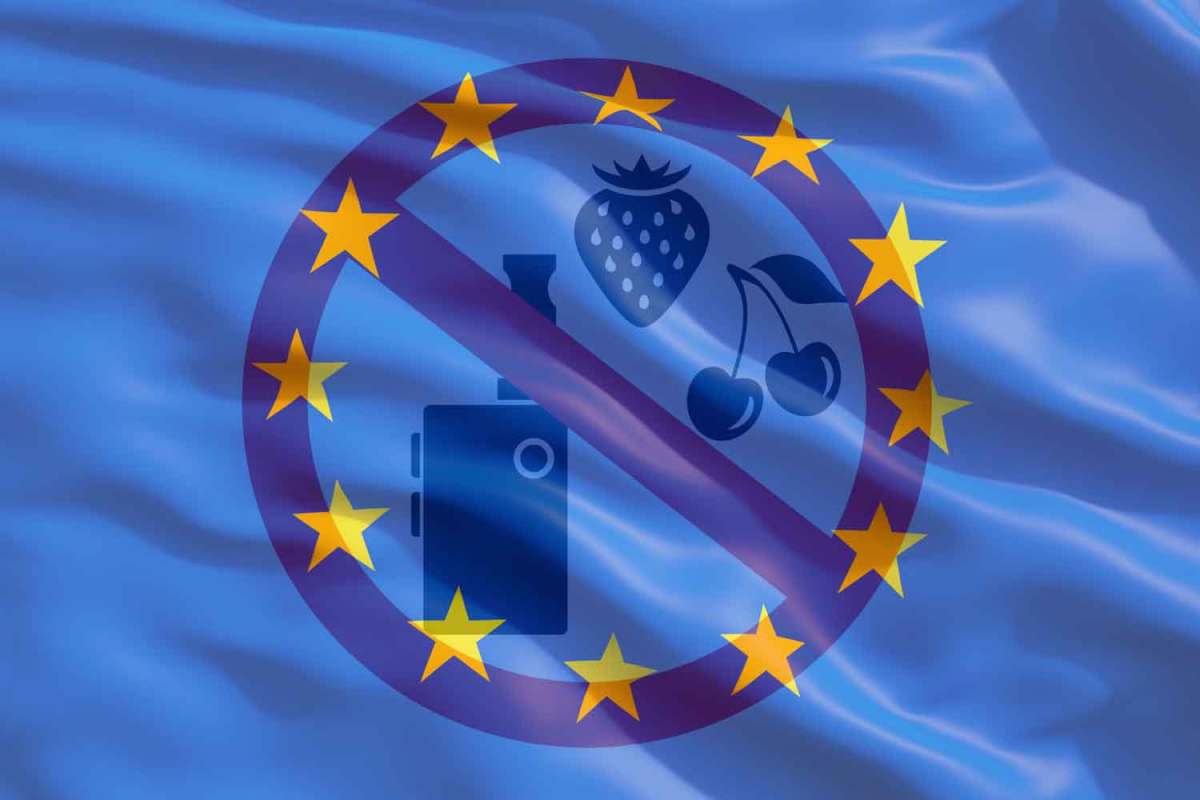
Q: According to Law No. 579 of 2017, Spain has prohibited the use of menthol and flavored cigarettes. In the future, will this flavor restriction also apply to e-cigarettes?
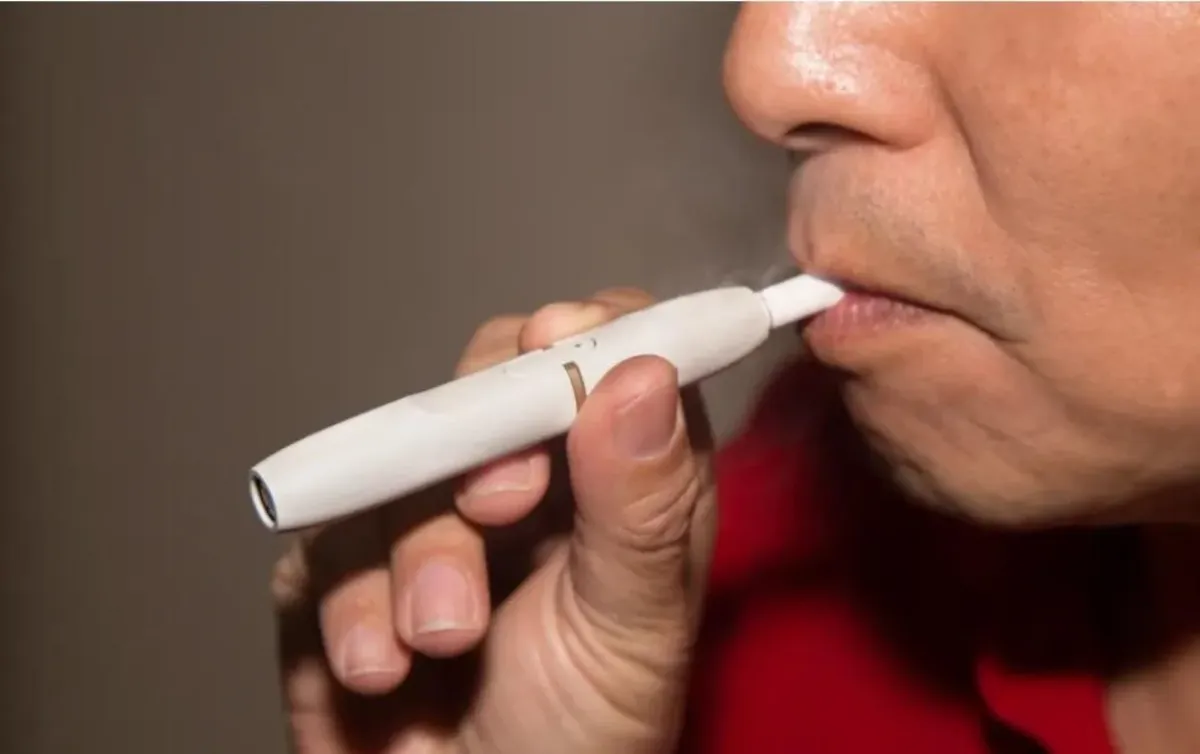
A: Currently, the Royal Decree 579/2017 of 2017 is undergoing review. As mentioned earlier, its scope is limited to heated tobacco products and therefore does not affect e-cigarettes.
We welcome news tips, article submissions, interview requests, or comments on this piece.
Please contact us at info@2firsts.com, or reach out to Alan Zhao, CEO of 2Firsts, on LinkedIn
Notice
1. This article is intended solely for professional research purposes related to industry, technology, and policy. Any references to brands or products are made purely for objective description and do not constitute any form of endorsement, recommendation, or promotion by 2Firsts.
2. The use of nicotine-containing products — including, but not limited to, cigarettes, e-cigarettes, nicotine pouchand heated tobacco products — carries significant health risks. Users are responsible for complying with all applicable laws and regulations in their respective jurisdictions.
3. This article is not intended to serve as the basis for any investment decisions or financial advice. 2Firsts assumes no direct or indirect liability for any inaccuracies or errors in the content.
4. Access to this article is strictly prohibited for individuals below the legal age in their jurisdiction.
Copyright
This article is either an original work created by 2Firsts or a reproduction from third-party sources with proper attribution. All copyrights and usage rights belong to 2Firsts or the original content provider. Unauthorized reproduction, distribution, or any other form of unauthorized use by any individual or organization is strictly prohibited. Violators will be held legally accountable.
For copyright-related inquiries, please contact: info@2firsts.com
AI Assistance Disclaimer
This article may have been enhanced using AI tools to improve translation and editorial efficiency. However, due to technical limitations, inaccuracies may occur. Readers are encouraged to refer to the cited sources for the most accurate information.
We welcome any corrections or feedback. Please contact us at: info@2firsts.com