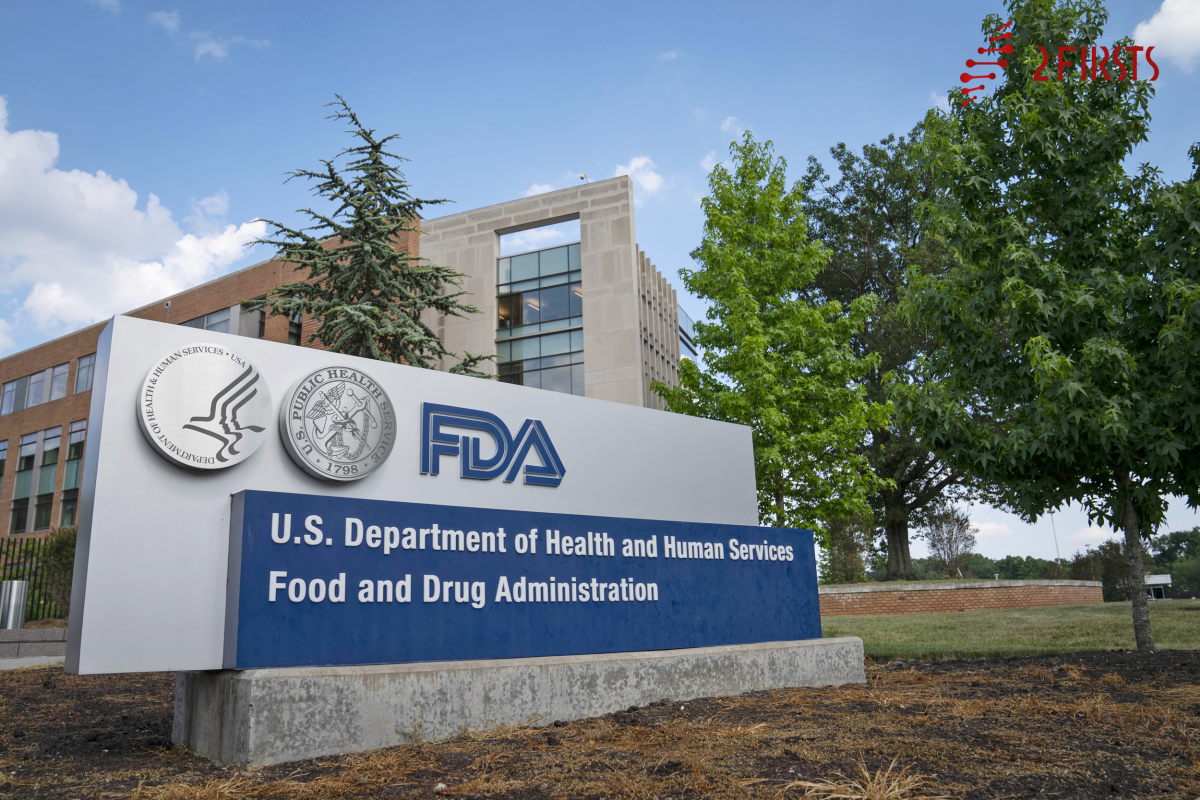
According to a report from Globenewswire on February 29th, Achieve Life Sciences, Inc., a pharmaceutical company in the United States, announced that they have reached an agreement with the U.S. Food and Drug Administration (FDA) regarding the requirements and timeline for long-term exposure data for their new drug application (NDA) for cytisine.
During the pre-submission discussion for a new drug application in the fourth quarter of 2023, the FDA expressed support for NDA submission based on full data from two completed randomized controlled phase 3 trials, ORCA-2 and ORCA-3. Additionally, the FDA indicated that long-term exposure data of over 12 weeks are needed to fully assess safety risks, as the FDA considers smoking cessation drugs to be products for chronic, repetitive, or intermittent use, as patients may relapse and require subsequent treatment throughout their lifetime.
The company has reached an agreement with the FDA to conduct a single open-label study to evaluate the long-term safety exposure data of jinquanhua alkaloids, which is expected to be sufficient to meet requirements and anticipate the NDA submission in the first half of 2025. According to the FDA agreement, the new drug application submitted by the company will include safety data from at least 300 subjects who have received jinquanhua alkaloid treatment for six months. Additionally, before approval is granted, the company will provide safety data from at least 100 subjects who have received jinquanhua alkaloid treatment for one year to the FDA.
The open-label data exposure experiment, known as "ORCA-OL," is set to launch in the second quarter of 2024. This experiment will involve researchers and sites participating in the ORCA clinical trial projects (ORCA-2, ORCA-3, and ORCA-V1 studies). ORCA-OL will recruit over 1700 participants from these previous trials, including more than 1100 participants who have already undergone 6 or 12 weeks of goldfinch alkaloid treatment.
The cumulative long-term safety data required for NDA submission and anticipated final approval will be based on the combination of exposure data from participants in their respective ORCA-2, ORCA-3, or ORCA-V1 studies and their exposure data during the ORCA-OL study. This allows for a more expedited collection of cumulative long-term exposure safety data for NDA submission. Participants in the ORCA-OL study will receive up to one year of treatment with crocetin and will undergo safety monitoring.
The company's President and Chief Medical Officer, Cindy Jacobs, commented, "We anticipate that the long-term exposure study data will support patients using lobeline multiple times during the nicotine cessation process. In addition, these safety data will support lobeline's effectiveness in helping smokers quit in the future."
The company announced that it has received approximately $124.2 million in funding, including $60 million from common stock and an additional $64.2 million upon reaching milestones. The milestone-driven warrants will expire earlier of two scenarios: three and a half years after issuance, or 30 days after public disclosure of FDA acceptance of goldthread alkaloid in an NDA on the 74th day. The company has also reached a non-binding agreement with Silicon Valley Bank to extend the maturity date of its existing loan to December 2025.
The company's CEO, John Bencich, stated, "We are pleased with the clear response from the FDA and excited about the vote of confidence from leading life science investors who share our enthusiasm for the potential of varenicline. With enough funding to conduct the ORCA-OL trial and complete the planned NDA submission, we are in discussions with potential commercial partners to help us achieve our goal of assisting millions of people struggling with nicotine dependence."
The company expects that the current cash, cash equivalents, and restricted cash, combined with net proceeds from financing, will provide sufficient funding to support the planned submission of an NDA in the first half of 2025. If all milestone-driven warrants are fully exercised, Achieve expects to receive FDA approval in 2026.
We welcome news tips, article submissions, interview requests, or comments on this piece.
Please contact us at info@2firsts.com, or reach out to Alan Zhao, CEO of 2Firsts, on LinkedIn
Notice
1. This article is intended solely for professional research purposes related to industry, technology, and policy. Any references to brands or products are made purely for objective description and do not constitute any form of endorsement, recommendation, or promotion by 2Firsts.
2. The use of nicotine-containing products — including, but not limited to, cigarettes, e-cigarettes, nicotine pouchand heated tobacco products — carries significant health risks. Users are responsible for complying with all applicable laws and regulations in their respective jurisdictions.
3. This article is not intended to serve as the basis for any investment decisions or financial advice. 2Firsts assumes no direct or indirect liability for any inaccuracies or errors in the content.
4. Access to this article is strictly prohibited for individuals below the legal age in their jurisdiction.
Copyright
This article is either an original work created by 2Firsts or a reproduction from third-party sources with proper attribution. All copyrights and usage rights belong to 2Firsts or the original content provider. Unauthorized reproduction, distribution, or any other form of unauthorized use by any individual or organization is strictly prohibited. Violators will be held legally accountable.
For copyright-related inquiries, please contact: info@2firsts.com
AI Assistance Disclaimer
This article may have been enhanced using AI tools to improve translation and editorial efficiency. However, due to technical limitations, inaccuracies may occur. Readers are encouraged to refer to the cited sources for the most accurate information.
We welcome any corrections or feedback. Please contact us at: info@2firsts.com