Key Points
- One Nation MP Barnaby Joyce criticised Australia’s tobacco excise policy.
- Joyce said high tobacco taxes may contribute to illicit market growth.
- Australia has long used tobacco taxes as a public health measure.
- Illegal tobacco remains a regulatory challenge for Australian authorities.
- Debate continues over balancing tax policy, health goals and illicit trade control.
2Firsts
July 13, 2026
Australian One Nation MP Barnaby Joyce has criticised the country’s continued tobacco excise increases, arguing that the policy is contributing to the growth of illicit tobacco markets.
Joyce said high tobacco taxes are pushing some consumers toward illegal products and claimed the policy is “subsidising the mafia.” He argued that continued reliance on excise increases may not achieve the government’s intended public health outcomes.
Barnaby Joyce Challenges High Tobacco Excise Policy
Barnaby Joyce is a One Nation MP and former deputy prime minister of Australia.
According to Sky News Australia, Joyce said repeated tobacco excise increases represent a “fool’s errand” because rising legal prices may encourage consumers to seek cheaper illegal alternatives.
He argued that growth in illicit tobacco markets reduces legitimate sales while increasing profits for criminal groups.
The comments reflect Joyce’s political position and do not represent a change in Australia’s tobacco policy.
Australia’s Longstanding Tobacco Tax Strategy
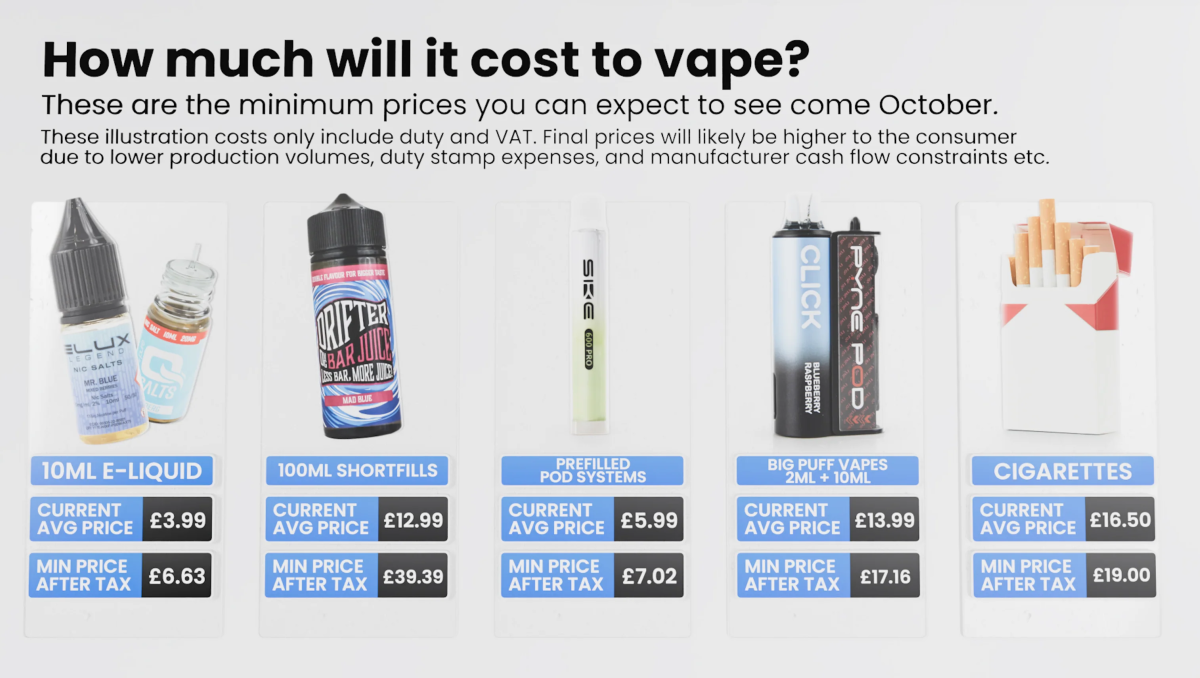
Australia has maintained a high tobacco tax policy for years, using price increases as one of several measures to reduce smoking rates.
The country has repeatedly increased tobacco excise while also implementing plain packaging, advertising restrictions and other tobacco-control measures.
Supporters argue that higher tobacco prices reduce consumption and discourage young people from starting to smoke.
Critics, however, argue that large price differences between legal and illegal products can create incentives for illicit markets.
Illicit Tobacco Remains Enforcement Challenge
Australian authorities continue efforts to combat illegal tobacco production, importation and distribution.
The Australian Border Force (ABF) and Australian Taxation Office (ATO), among other agencies, conduct enforcement operations targeting illicit tobacco activities.
Authorities have said illegal tobacco causes government revenue losses and can be linked to organised crime.
Industry groups and some policymakers have continued to argue that excessive tax increases may increase incentives for illegal trade.
Tobacco Tax Debate Continues
Joyce’s comments have renewed debate over a long-running policy question in Australia:
Public health advocates argue that tobacco taxes are an effective tool to reduce smoking rates.
Critics argue that if legal tobacco prices rise too far, consumers may increasingly turn to illegal markets.
The issue is not unique to Australia. Several high-tax tobacco markets have faced similar challenges in balancing reduced consumption, tax policy and illicit trade control.
Industry Impact and Outlook
Australia’s tobacco tax debate highlights the continuing global challenge of balancing high taxation with illicit market risks.
For tobacco and nicotine companies, regulatory attention is increasingly extending beyond consumption control toward supply-chain monitoring, border enforcement and illegal market prevention.
The Australian case shows that tobacco taxation affects not only consumer behaviour but also legal market size, illicit trade incentives and government revenue structures.
Joyce’s comments represent political criticism rather than a shift in Australia’s tobacco policy. However, as concerns over illicit tobacco continue, the government’s ability to balance public health objectives, tax policy and enforcement priorities will remain a key policy issue.
Follow 2Firsts for the latest updates on global tobacco harm reduction, nicotine products and regulatory developments.
Cover Image source: Sky News Australia