Belarus to Tighten Vape Regulations, Raise Excise Taxes in 2026

Nov.19.2025
Belarus to Tighten Vape Regulations, Raise Excise Taxes in 2026
Belarusian lawmakers are drafting a new bill to regulate the vape market amid growing concern over youth nicotine use and the spread of illegal products. While a total ban is not planned, the focus will be on stricter licensing, advertising limits, and higher taxes.

Key Points


  • Legislation: Licensing requirements for vape importers and retailers; restrictions on advertising and online sales.
  • Youth Protection: Sales and delivery of vapes to minors will be strictly prohibited.
  • Fiscal Policy: Excise taxes on e-cigarettes and vape liquids to increase by 20% from 2026.
  • Market Impact: Heated-tobacco products and vapes will be added to the excise list.
  • Government View: The measures aim to protect public health and reduce illegal trade.


2Firsts — November 19, 2025 — According to the state-run Belarusian television channel ONT, Belarus is preparing new legislation to regulate the electronic cigarette market, as lawmakers voice alarm over the wide availability of nicotine products and the growing volume of illicit vape sales.


Yelena Khilya, a member of the House of Representatives, said the bill aims to bring order to the sector rather than impose a full ban, which she warned could push production underground.


“We don’t need a symbolic ban — we need effective regulation,” Khilya said.


Under the proposed law:


  • Only licensed companies will be allowed to import and sell vape products.
  • Advertising, product displays, and online sales will be tightly restricted.
  • Sales without excise stamps or licenses will be outlawed.
  • All forms of sales and delivery to minors, including online shipping, will be banned.


Finance Minister Yury Seliverstov previously announced plans to raise excise taxes on vapes and nicotine liquids by 20% in 2026 to gradually align them with cigarette tax rates. Electronic smoking systems and heated-tobacco products will also be added to the excise list.


Excise duties on traditional tobacco products will rise as well, including a 7% increase for filtered cigarettes and 3% for heated-tobacco products.


Officials believe the measures will protect public health, strengthen control over nicotine sales, and boost fiscal revenue.


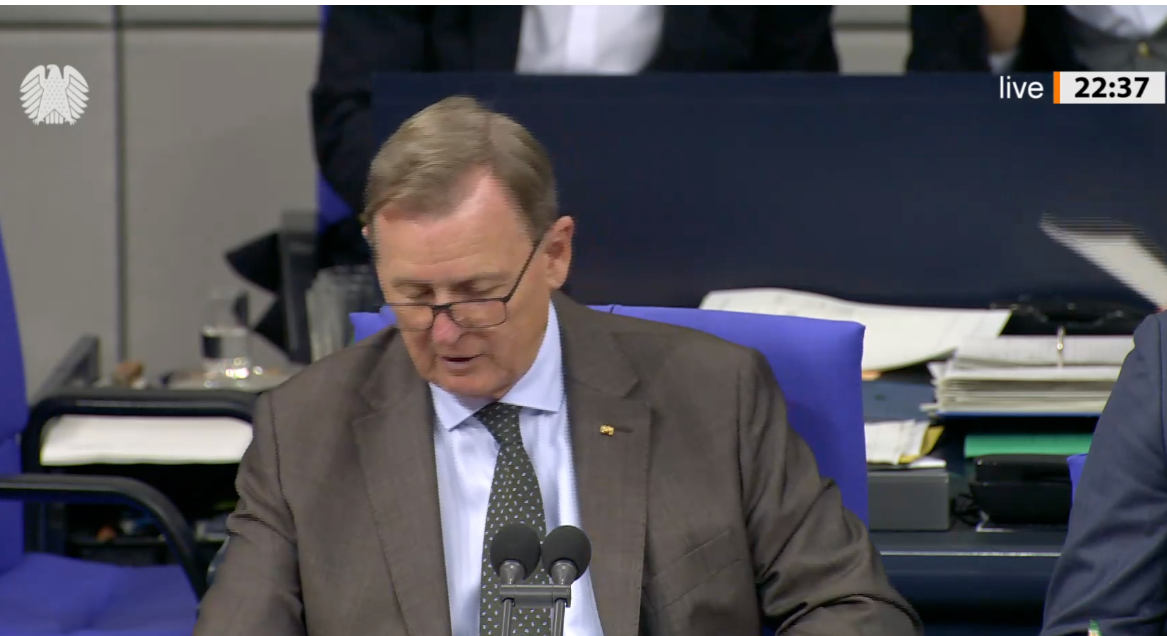
Image source: ONT


We welcome news tips, article submissions, interview requests, or comments on this piece.

Please contact us at info@2firsts.com, or reach out to Alan Zhao, CEO of 2Firsts, on LinkedIn


Notice

1.  This article is intended solely for professional research purposes related to industry, technology, and policy. Any references to brands or products are made purely for objective description and do not constitute any form of endorsement, recommendation, or promotion by 2Firsts.

2.  The use of nicotine-containing products — including, but not limited to, cigarettes, e-cigarettes, nicotine pouchand heated tobacco products — carries significant health risks. Users are responsible for complying with all applicable laws and regulations in their respective jurisdictions.

3.  This article is not intended to serve as the basis for any investment decisions or financial advice. 2Firsts assumes no direct or indirect liability for any inaccuracies or errors in the content.

4.  Access to this article is strictly prohibited for individuals below the legal age in their jurisdiction.


Copyright


This article is either an original work created by 2Firsts or a reproduction from third-party sources with proper attribution. All copyrights and usage rights belong to 2Firsts or the original content provider. Unauthorized reproduction, distribution, or any other form of unauthorized use by any individual or organization is strictly prohibited. Violators will be held legally accountable.

For copyright-related inquiries, please contact: info@2firsts.com


AI Assistance Disclaimer


This article may have been enhanced using AI tools to improve translation and editorial efficiency. However, due to technical limitations, inaccuracies may occur. Readers are encouraged to refer to the cited sources for the most accurate information.

We welcome any corrections or feedback. Please contact us at: info@2firsts.com

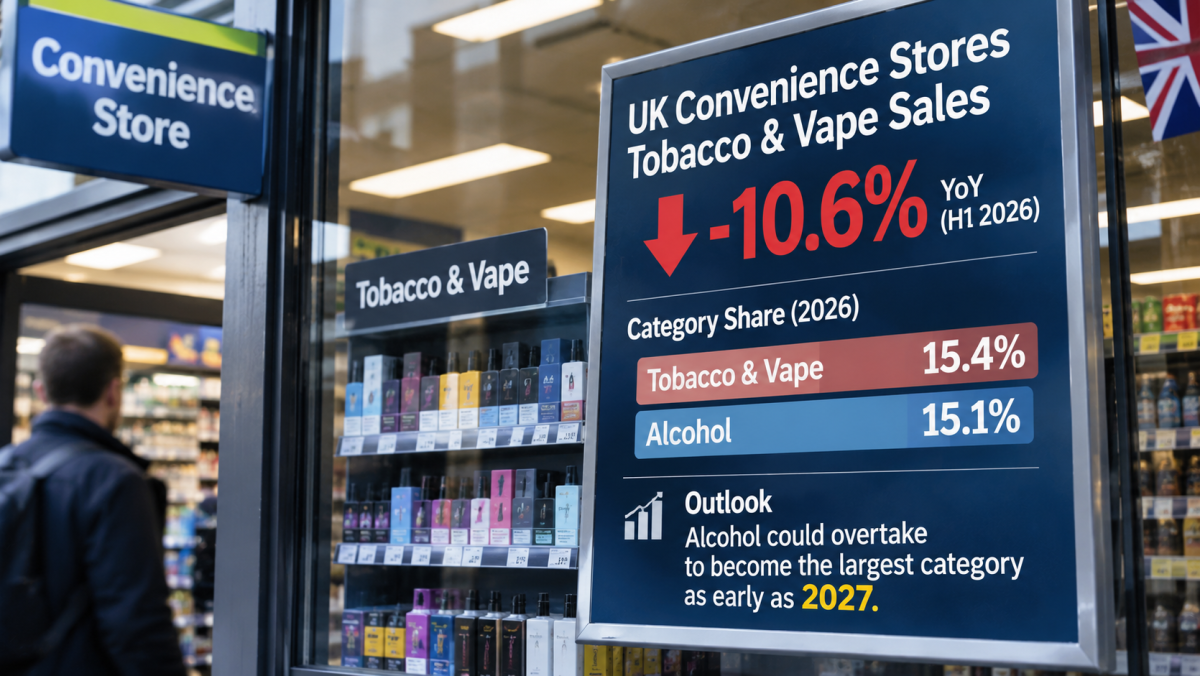
DATA|UK Retail Research Group IGD Says Convenience Tobacco and Vape Sales Fell 10.6%, With 15.4% Market Share Versus Alcohol's 15.1%; Top Rank at Risk in 2027
Combined tobacco and vaping sales in UK convenience stores fell 10.6% year over year in the first half of 2026, making the category a major drag on channel performance, according to retail research organization IGD. Total convenience sales declined 1.2%, while sales excluding tobacco and vaping increased 0.7%. IGD's 2026 category-share figures show tobacco and vaping accounting for 15.4% of convenience sales, compared with 15.1% for alcohol. The organization forecasts alcohol could overtake tobacco and vaping as the largest category by sales value as early as 2027 if current trends continue. IGD expects the convenience market to increase from £48.6 billion in 2026 to £54.9 billion in 2031, a 2.5% compound annual growth rate, or 3.4% excluding tobacco and vaping.
DATA
Nov.11
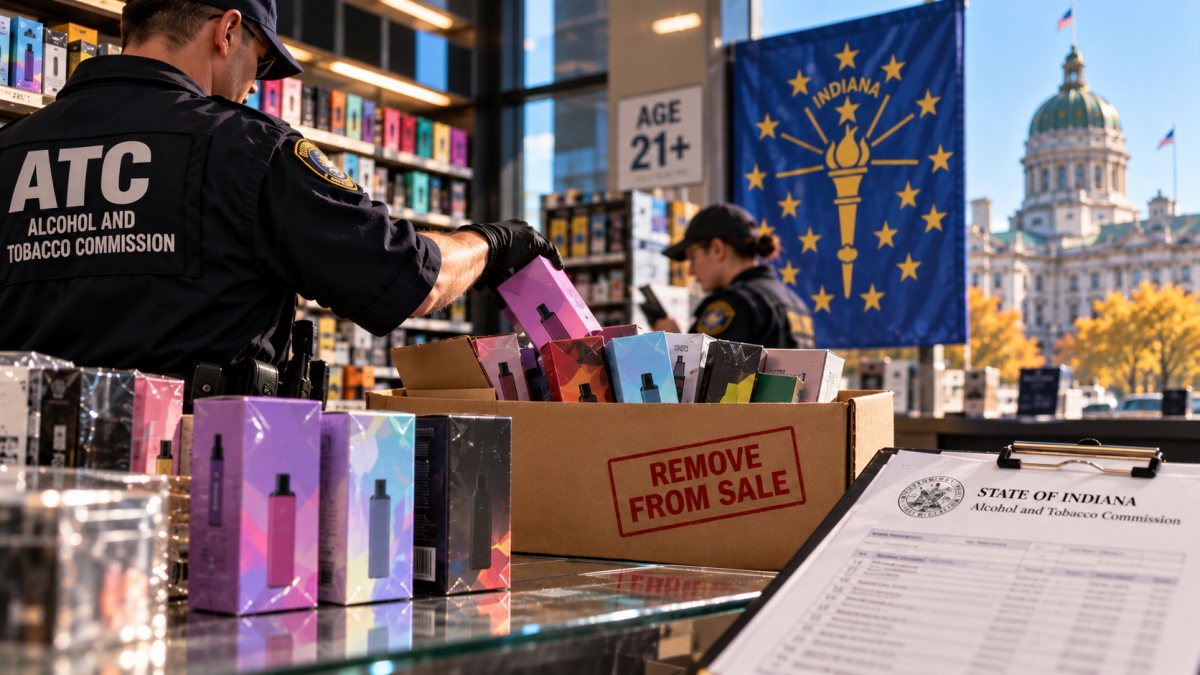
Indiana Halts Sales of Elf Bar, Lost Mary, MR FOG and iJOY Vapes Under Foreign-Adversary Rules; Some Products Return After Compliance Filings
Indiana's Alcohol and Tobacco Commission (ATC) ordered tobacco certificate holders in September to remove certain vaping products marketed under Elf Bar, Lost Mary, MR FOG, iJOY and other brands from inventory under the state's foreign-adversary product law. The agency later listed 257 MR FOG products and 77 Lost Mary product entries as lawful for sale. The Lost Mary revision expressly stated that compliance evidence had been received for 20 additional products. 2Firsts compliance expert Kurt said potential filings could include e-liquid and ingredient-origin records, U.S. nicotine-analog supply-chain documentation and FDA premarket application status.
Regulations
Oct.08
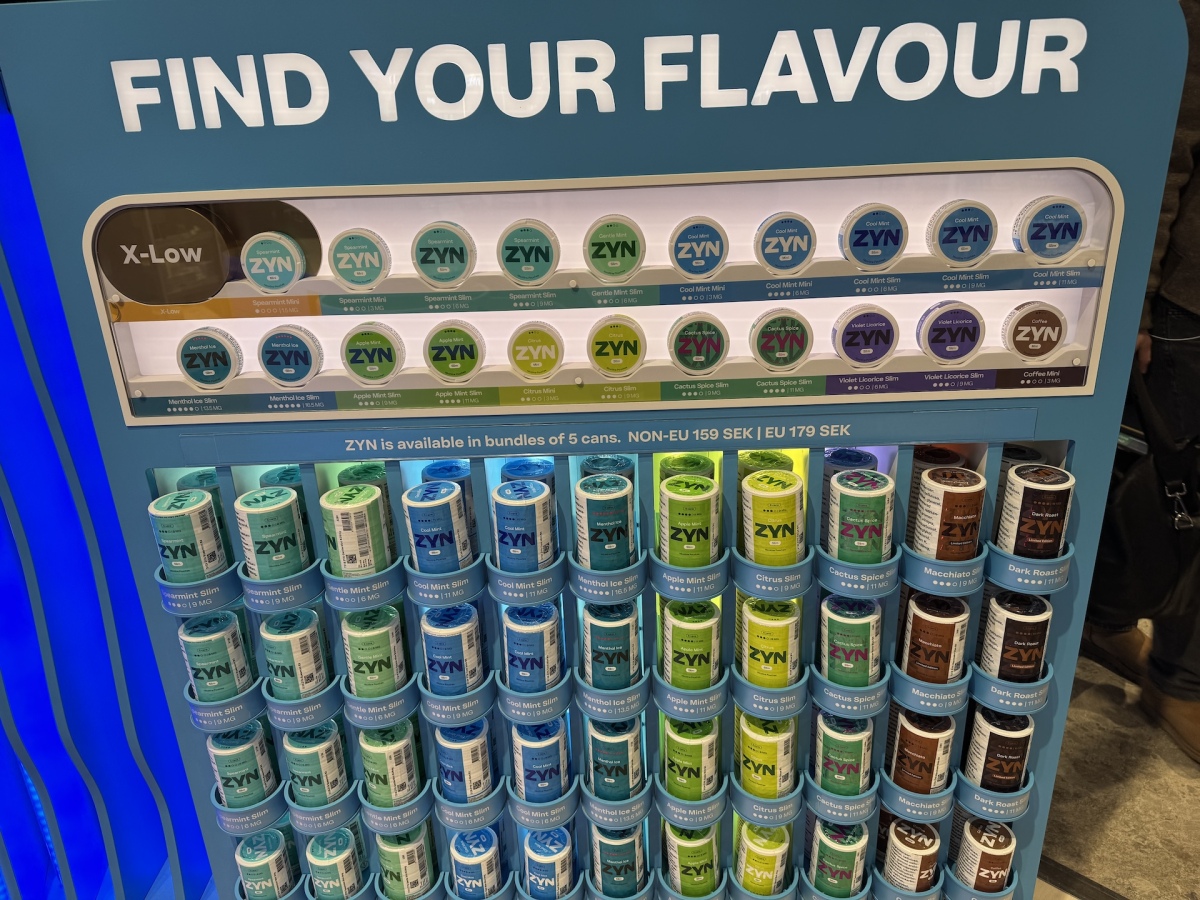
Sweden Finds ZYN Ingredient Labels Noncompliant Over Generic Flavoring Disclosure, Swedish Match Faces SEK 2 Million Monthly Penalty
Sweden's Public Health Agency has found ingredient labels on ZYN nicotine pouches sold by Philip Morris International subsidiary Swedish Match to be noncompliant, according to Dagens industri. The products' packaging listed 10 to 13 ingredients, compared with 11 to 42 in regulatory submissions, with multiple flavoring ingredients grouped under the generic term "aromer." The agency ordered corrective action, warning of a conditional penalty of SEK 2 million per month for noncompliance. The order applies only to products manufactured after the decision becomes legally effective and does not require recalls. Swedish Match disputes the agency's interpretation and plans to appeal.
PMI
Oct.22
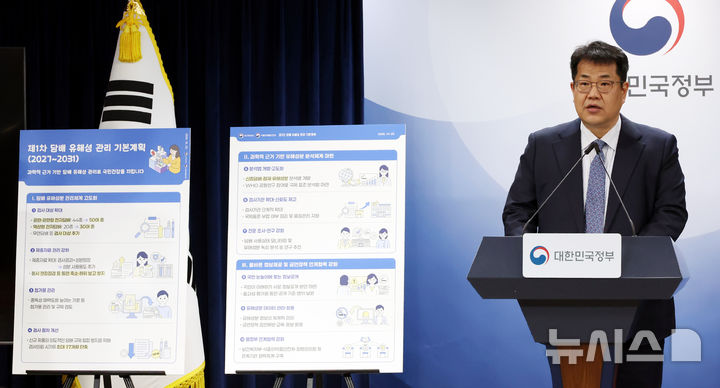
South Korea's Tobacco Plan Excludes 6-Methyl Nicotine as Customs Tightens Import Controls and Analog Liquid Imports Fall 83%
South Korea's government unveiled its first Tobacco Harm Management Basic Plan for 2027–2031 on October 29, 2026, proposing broader testing of vaping and heated tobacco products while excluding nicotine analogs such as 6-methyl nicotine. Synthetic nicotine came under tobacco regulation on April 24, and a June investigation found 6-methyl nicotine in 12 liquid inhalation products marketed as nicotine-free. Customs data released in September showed that imports of nicotine analog solutions fell 83.3%, from 12 metric tons in January–April to 2 metric tons in May–August. By September 20, imports had reached approximately 15 metric tons for the year, with 99.99% originating from China. Customs authorities have tightened pre-clearance testing and supply-chain documentation requirements, while the MFDS expects to complete its assessment of nicotine analog hazards by the end of 2026.
Regulations
Nov.04
South Korea Fully Reviews Nicotine-Analog and Nicotine-Free Vape Liquid Imports, With Over 99% From China and Chinese Supply-Chain Documents Under Scrutiny
Korea Customs Service has tightened import controls on nicotine-analog and nicotine-free e-cigarette liquids, placing the products under 100% document review and subjecting all e-cigarette liquid import declarations to pre-clearance ingredient analysis. As of September 20, 2026, South Korea had imported about 15 metric tons of nicotine-analog liquids, 99.99% from China, and about 316 metric tons of nicotine-free liquids, including roughly 315 metric tons, or 99.7%, from China. The measures follow South Korea's April expansion of its tobacco definition to include synthetic nicotine products and include new checks on Chinese manufacturing, transaction and export documentation.
Sep.24
German Bundestag Passes Tobacco Tax Hikes: Vape Liquid Duty to Reach €0.44/ml, Heated Tobacco Taxes to Rise and Cigarettes Seen Near €12 a Pack
Germany's Bundestag passed amendments to the Tobacco Tax Act on October 15, 2026, setting out annual excise tax increases from 2027 through 2030 for e-cigarette liquids, heated tobacco, cigarettes and other tobacco products. Under the Finance Committee's amended bill, duty on qualifying e-liquids will rise from €0.32/ml in 2026 to €0.44/ml in 2030, an increase of 37.5%. Heated tobacco will retain its tax calculation based on 80% of the corresponding cigarette excise duty. The average price of a 20-cigarette pack is projected to approach €12 by 2030, with some brands potentially reaching €14. The legislation is projected to generate approximately €11.8 billion in additional tax revenue over four years and remains subject to further legislative procedures.
Regulations
Oct.19