According to Brazilian media Brasil247, the Brazilian National Health Surveillance Agency (Anvisa) analyzed 14,000 "e-cigarette public consultations" social opinions, of which 58% of participants believe that maintaining the e-cigarette ban policy has had a negative impact on Brazil; while 37% of people support continuing to maintain the e-cigarette ban.
During the 60-day public consultation period, there was significant disagreement among the general public on this issue, with differing opinions from health professionals, politicians, organizations, and even within the tobacco industry itself. A total of 88 submissions opposing the ban came from overseas, including users from countries such as Canada, the United States, and Portugal where the sale of e-cigarettes is allowed.
This form of social engagement is aimed at assisting Anvisa in making decisions regarding e-cigarette policies. According to Anvisa's Joint Resolution 46/2009, Brazil prohibits the importation, sale, and advertising of all types of e-cigarettes.
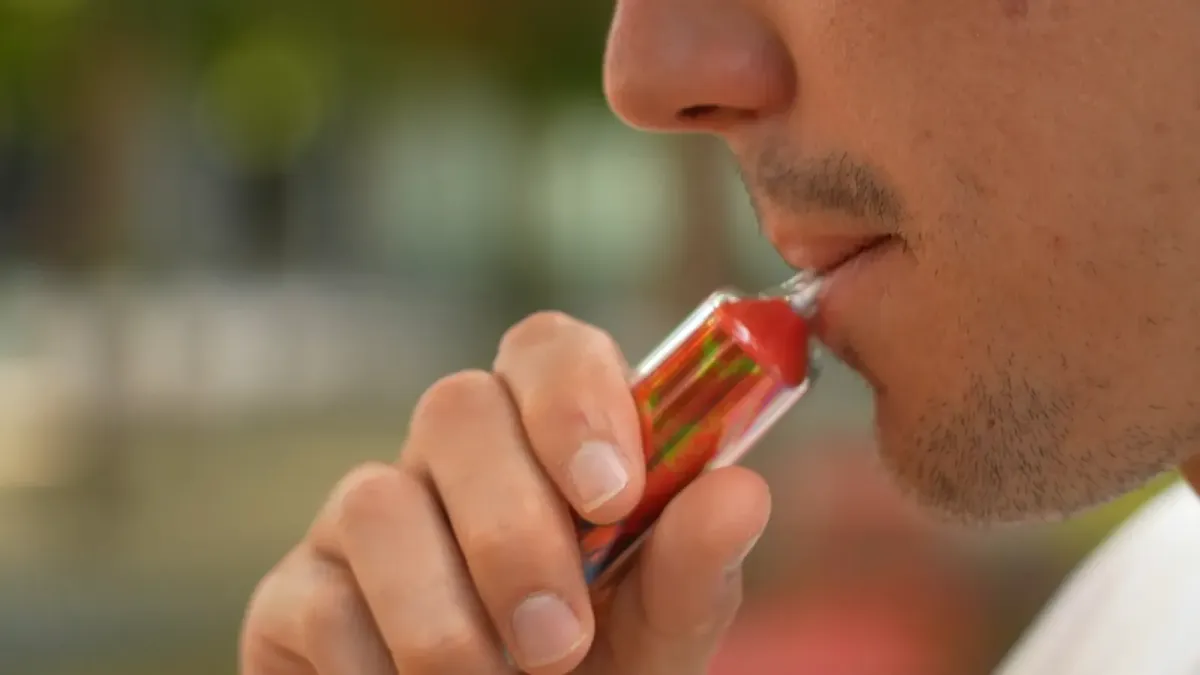
According to a survey conducted by the Ipec Institute, approximately 2.9 million adults in Brazil admit to having used e-cigarettes. This marks a 600% increase in users over the past six years since the first survey in 2018. Additionally, nearly 6.3 million former tobacco smokers have tried e-cigarettes. However, due to existing bans, almost all smokers are consuming products that lack ingredient control and transparency. The Ipec survey also revealed that 87% of respondents claim to have knowledge of e-cigarettes.
The rapid growth of e-cigarette consumption in Brazil is increasing pressure on authorities to develop more effective public policies, whether through regulating devices and establishing strict regulations, or increasing enforcement efforts as consumption grows. According to data from the Federal Revenue Service, the amount of smuggled e-cigarettes seized increased from 23,000 in 2019 to over 1.1 million by 2023.
Although the majority of participants expressed their desire for e-cigarettes to be regulated, the topic still faces opposition in the medical community. The Brazilian Medical Association (CFM) has labeled e-cigarettes as a "gateway" to smoking and has defended maintaining its ban. Medical organizations are calling on the federal government and Congress to uphold laws prohibiting e-cigarettes; increase enforcement and control mechanisms; and conduct public awareness campaigns on the potential risks of e-cigarette use.
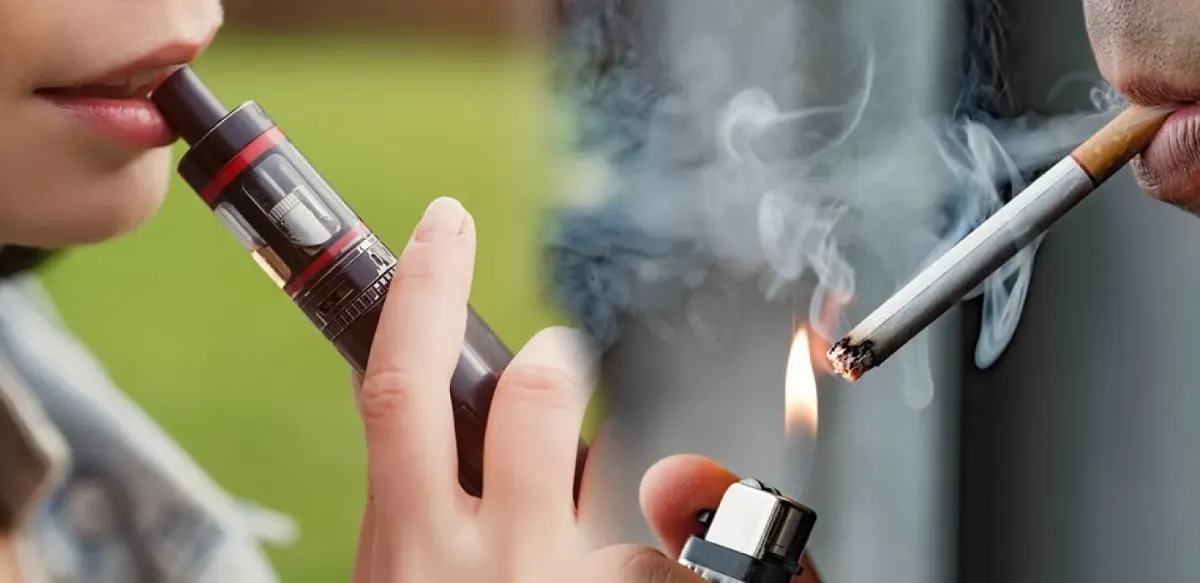
Since 2003, e-cigarette products have undergone many changes, including disposable products, rechargeable pods containing nicotine e-liquid, and heated tobacco products.
We welcome news tips, article submissions, interview requests, or comments on this piece.
Please contact us at info@2firsts.com, or reach out to Alan Zhao, CEO of 2Firsts, on LinkedIn
Notice
1. This article is intended solely for professional research purposes related to industry, technology, and policy. Any references to brands or products are made purely for objective description and do not constitute any form of endorsement, recommendation, or promotion by 2Firsts.
2. The use of nicotine-containing products — including, but not limited to, cigarettes, e-cigarettes, nicotine pouchand heated tobacco products — carries significant health risks. Users are responsible for complying with all applicable laws and regulations in their respective jurisdictions.
3. This article is not intended to serve as the basis for any investment decisions or financial advice. 2Firsts assumes no direct or indirect liability for any inaccuracies or errors in the content.
4. Access to this article is strictly prohibited for individuals below the legal age in their jurisdiction.
Copyright
This article is either an original work created by 2Firsts or a reproduction from third-party sources with proper attribution. All copyrights and usage rights belong to 2Firsts or the original content provider. Unauthorized reproduction, distribution, or any other form of unauthorized use by any individual or organization is strictly prohibited. Violators will be held legally accountable.
For copyright-related inquiries, please contact: info@2firsts.com
AI Assistance Disclaimer
This article may have been enhanced using AI tools to improve translation and editorial efficiency. However, due to technical limitations, inaccuracies may occur. Readers are encouraged to refer to the cited sources for the most accurate information.
We welcome any corrections or feedback. Please contact us at: info@2firsts.com