Key points:
1. Tobacco companies are using misleading information such as "environmentally friendly" to target consumers, especially selling "flavored tobacco" to people in their teens and twenties.
2. Although there are precedents in other countries supporting tobacco companies' liability for compensation, South Korean courts still maintain that "smoking is a personal choice".
3. Experts are calling for tobacco companies to transparently disclose the ingredients and manufacturing process of their products, to ban marketing targeting youth and women, and to bear the social costs of smoking.
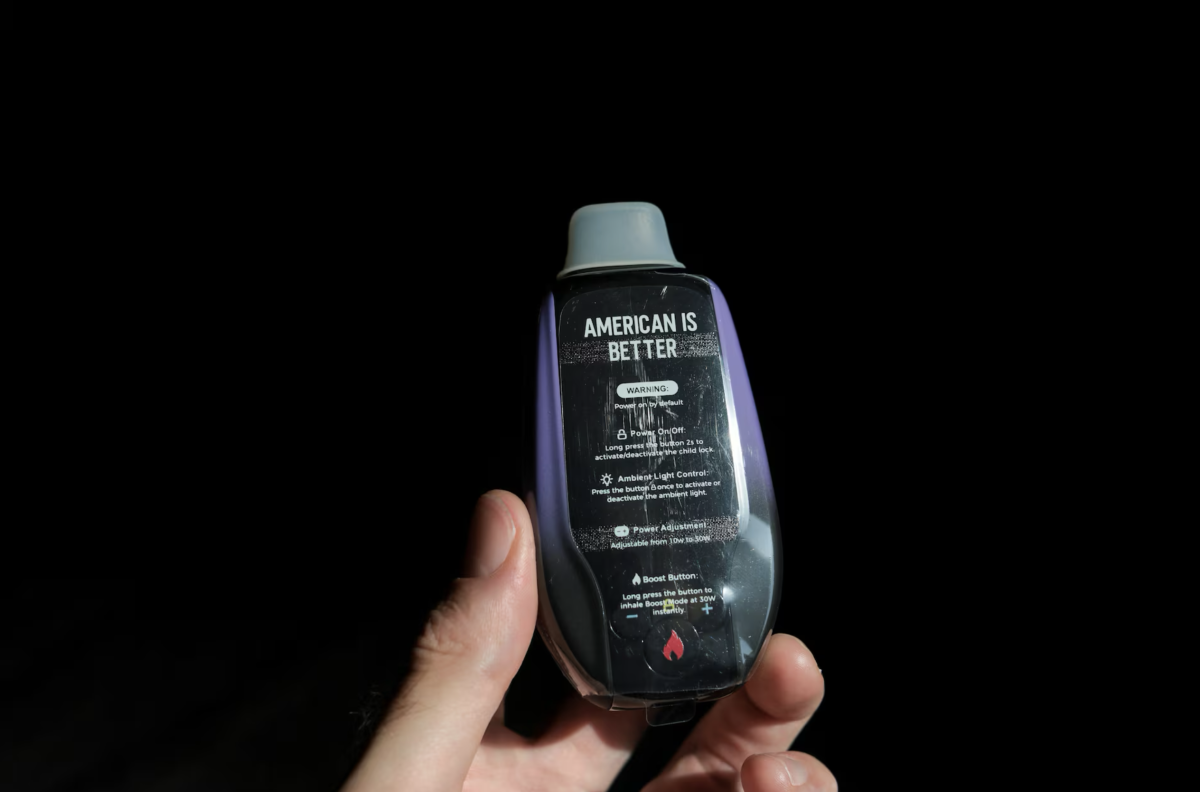
South Korean tobacco companies are using increasingly sophisticated marketing strategies by promoting their products as "environmentally friendly" and "less harmful," Lee Sung-kyu, head of the country's Tobacco Control Research and Education Center, told V.daum on March 11.
Lee said stricter measures are needed to counter what he described as "deceptive marketing tactics" and called for stronger legal obligations to ensure transparency in disclosing the ingredients and manufacturing process of tobacco products.
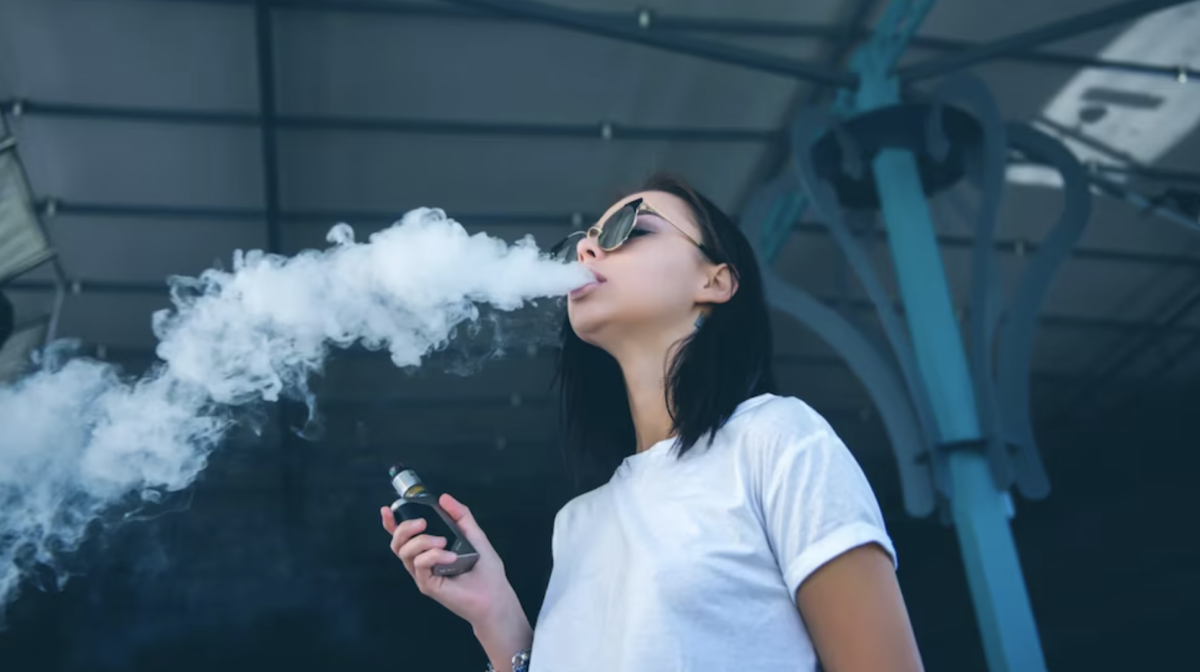
He added that tobacco companies have long used words such as "light" and "mild" to promote an image of tobacco with less harm, but these tobacco products have similar levels of nicotine and tar as regular cigarettes. Companies are also targeting young people aged 10 to 30 with "flavoured tobacco" products.
In 2014, the National Health Insurance Service (NHIS) filed a lawsuit seeking 53.3 billion South Korean won ($40.5 million) in medical expenses incurred over a decade due to smoking.
However, in a 2020 ruling, the court rejected holding tobacco companies responsible, stating that smoking is a personal choice made freely and that society widely recognizes the health risks, including lung cancer.
"Although several foreign rulings have recognized that tobacco companies should be held liable for damages, in South Korea, the Supreme Court continues to uphold the logic that 'smoking is a personal choice," Lee said.
He believes that strengthening the social responsibility of tobacco companies requires a series of actions. Lee said:
"It is necessary to first strengthen the legal obligation to transparently disclose the ingredients and manufacturing process of tobacco products. Secondly, we must completely ban marketing aimed at adolescents and women. Thirdly, we must clearly define their social responsibilities, such as holding tobacco companies accountable for the social costs of smoking."
We welcome news tips, article submissions, interview requests, or comments on this piece.
Please contact us at info@2firsts.com, or reach out to Alan Zhao, CEO of 2Firsts, on LinkedIn
Notice
1. This article is intended solely for professional research purposes related to industry, technology, and policy. Any references to brands or products are made purely for objective description and do not constitute any form of endorsement, recommendation, or promotion by 2Firsts.
2. The use of nicotine-containing products — including, but not limited to, cigarettes, e-cigarettes, nicotine pouchand heated tobacco products — carries significant health risks. Users are responsible for complying with all applicable laws and regulations in their respective jurisdictions.
3. This article is not intended to serve as the basis for any investment decisions or financial advice. 2Firsts assumes no direct or indirect liability for any inaccuracies or errors in the content.
4. Access to this article is strictly prohibited for individuals below the legal age in their jurisdiction.
Copyright
This article is either an original work created by 2Firsts or a reproduction from third-party sources with proper attribution. All copyrights and usage rights belong to 2Firsts or the original content provider. Unauthorized reproduction, distribution, or any other form of unauthorized use by any individual or organization is strictly prohibited. Violators will be held legally accountable.
For copyright-related inquiries, please contact: info@2firsts.com
AI Assistance Disclaimer
This article may have been enhanced using AI tools to improve translation and editorial efficiency. However, due to technical limitations, inaccuracies may occur. Readers are encouraged to refer to the cited sources for the most accurate information.
We welcome any corrections or feedback. Please contact us at: info@2firsts.com