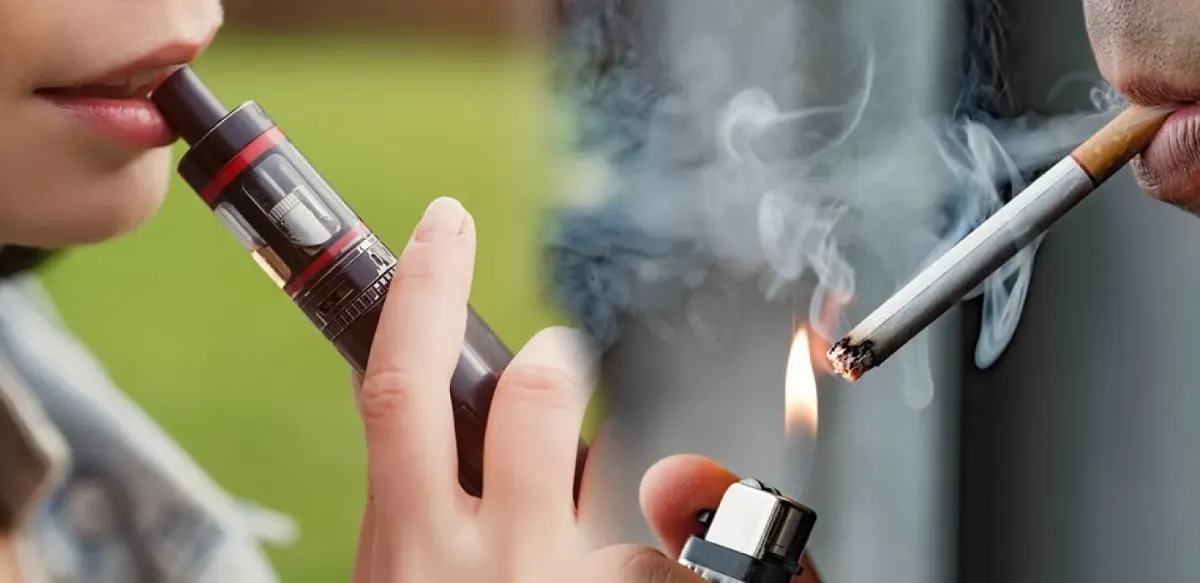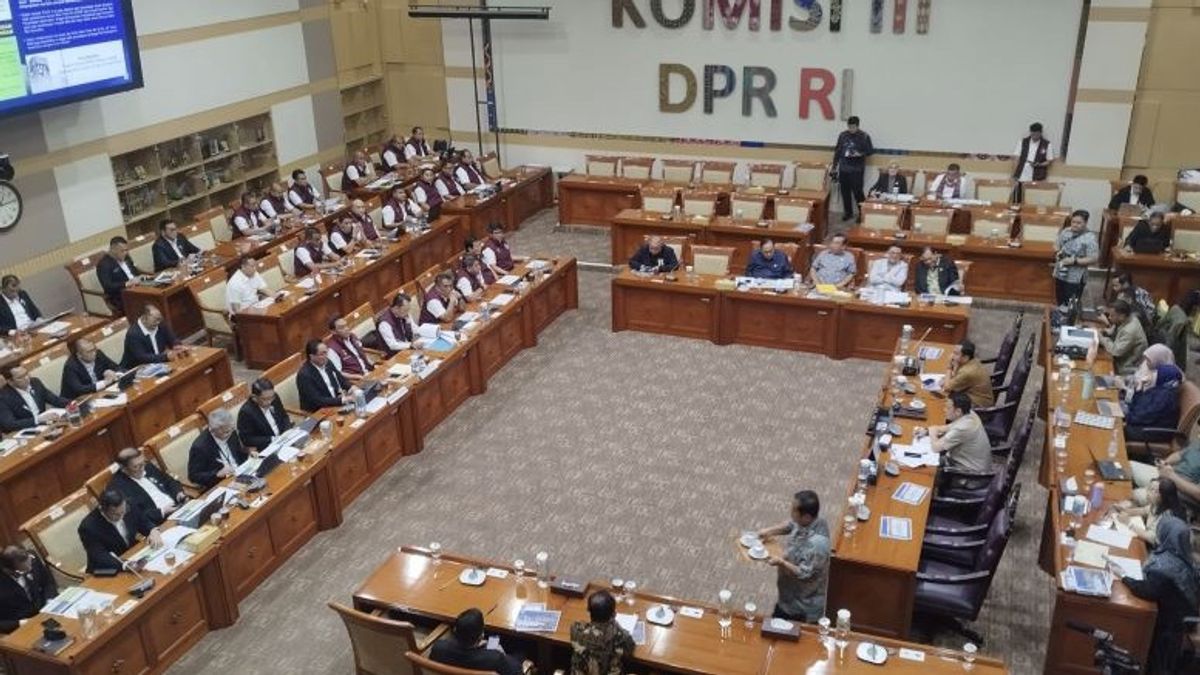
According to a report by The Economist on March 7th, although UK Prime Minister Rishi Sunak's popularity among the public is low, some of his policies are receiving support. Sunak's plan to ban young people from smoking, including a proposal to prohibit those born after 2008 from buying cigarettes, has garnered support from 71% of voters. Another proposal to ban disposable e-cigarettes has received support from 83% of the public.
The "Political Legacy" may not be Stable
Sunak's two policies could become his political legacy, as they are supported by both the UK Labour Party and government. However, experiences from two countries on the other side of the world serve as a cautionary tale. On February 27th, New Zealand's new center-right government repealed a groundbreaking smoking ban before it could be implemented, which had been inspired by a similar plan in the UK. In Australia, attempts to ban disposable e-cigarettes have also failed.
The proposal regarding smoking appears more reasonable. Although the rate of smoking has been declining over the long term, this habit still causes nearly 76,000 deaths in the UK every year. Most people become addicted to smoking during their teenage years. Janet Hoek, a professor of public health at the University of Otago in New Zealand, stated, "Young people have the right to be protected from products that will eventually kill two-thirds of long-term users." In New Zealand, the primary demographic of smokers is Maori people, while in the UK, they are more likely to be poor.
The UK government has proposed to gradually increase the legal age for purchasing cigarettes from 18 to 21 starting in 2027. This law will not criminalize individuals for possessing or using cigarettes, nor will it infringe on the rights of existing smokers. Government forecasts suggest that by 2040, almost no teenagers aged 14 to 30 will be smoking.
Similar Policies have been "Overturned"
People are expressing concerns about the restrictions' implementation.
For example, banning proxy purchasing - where an older person buys cigarettes for a younger person - is almost impossible to enforce. Additionally, there are no restrictions on travelers buying duty-free cigarettes and alcohol in Europe. In Malaysia, a similar law was recently repealed as raising the sales age would lead to unfairness and be unconstitutional.
New Zealand's smoking ban includes reducing the number of stores allowed to sell cigarettes and lowering the amount of nicotine they can contain (thus making cigarettes less appealing). However, the government has just repealed this regulation, citing concerns that it could fuel illegal trade.
In the UK, this concern is even more serious because the UK does not plan to adopt New Zealand's comprehensive smoke-free approach, and the smoking rate is higher in the UK. Increasing taxes and stricter regulations on tobacco (including raising the legal age for sales from 16 to 18) have not previously led to an increase in illegal sales in the UK, but this type of ban is still a first. With the cost of living crisis, there are signs of growth in the black market. Ailsa Rutter of the Fresh regional tobacco control program points out that in 2023, 14% of tobacco in the North of England was illegal, compared to just 11% in 2012.
Policy Stimulates Tobacco Black Market
In Darlington's temporary mini market, a journalist witnessed a young man wearing a baseball jacket sneak out through the back door, purchasing two packets of counterfeit cigarettes for one-third of the actual price. As the legal age for purchasing cigarettes increases, "people will increasingly turn to these shops," while Major Singh's legitimate store has seen a decline in their cigarette sales. Young smokers are more likely to buy illegal tobacco.
Elsa Rat and many public health experts support smoking bans. However, the proposal to ban disposable e-cigarettes is seen as more directly misguided. The government initially promised to restrict e-cigarette flavors aimed at children, such as bubblegum, and regulate how they are displayed and packaged. However, in January, the government succumbed to moral panic over children using e-cigarettes, despite already being prohibited from doing so. The government is currently moving forward with secondary legislation to ban the sale and provision of disposable e-cigarettes, while refillable products will remain legal.
There are valid concerns about disposable e-cigarettes. With 5 million being littered or discarded every week, students are more likely to purchase them (one-fifth of students have already tried). However, Australia's policy requiring a doctor's prescription for all e-cigarettes has raised concerns about the risks of a retail ban. This policy has led to a low rate of medical e-cigarette usage and coincided with an increase in smoking rates. In the competitive battle for this market, Australian gangs have bombed tobacco shops and even murdered their competitors.
In the UK, it is easy to imagine similar outcomes, with over half of English smokers mistakenly believing that e-cigarettes are more harmful or equally harmful as smoking, and some may even revert back to traditional cigarettes. The UK has become the second largest black market for e-cigarettes after the US. Deborah Arnott, director of the anti-smoking organization ASH, stated that if disposable e-cigarettes are not banned from import as they were in Australia initially, they will continue to be cheap and easily accessible to young people. ASH is calling for a minimum price to be enforced.
Enthusiasm for Policies is Cooling down
The government continues to be committed to these two policies, but there are signs that their enthusiasm is waning. They are considering taxing legitimate items. In the Spring Budget on March 6, Chancellor Jeremy Hunt announced the taxation of e-cigarettes (a move that ASH has long advocated). He also further increased tobacco taxes.
The reading of the new smoking ban bill in Parliament has been delayed several times.
If both bans are implemented, the government promises to add an additional 30 million pounds each year to enhance enforcement. This is unlikely to be enough.
Ian Harrison, Director of Trading Standards in Durham, stated, "We have been under severe financial pressure for over a decade." Surrounding him are his team who recently seized counterfeit cigarettes and thousands of brightly colored e-cigarette pens in transparent plastic bags. Will these proposals help?
At this point, Mr. Harrison expressed caution, stating, "This is something that decision-makers will need to decide."
We welcome news tips, article submissions, interview requests, or comments on this piece.
Please contact us at info@2firsts.com, or reach out to Alan Zhao, CEO of 2Firsts, on LinkedIn
Notice
1. This article is intended solely for professional research purposes related to industry, technology, and policy. Any references to brands or products are made purely for objective description and do not constitute any form of endorsement, recommendation, or promotion by 2Firsts.
2. The use of nicotine-containing products — including, but not limited to, cigarettes, e-cigarettes, nicotine pouchand heated tobacco products — carries significant health risks. Users are responsible for complying with all applicable laws and regulations in their respective jurisdictions.
3. This article is not intended to serve as the basis for any investment decisions or financial advice. 2Firsts assumes no direct or indirect liability for any inaccuracies or errors in the content.
4. Access to this article is strictly prohibited for individuals below the legal age in their jurisdiction.
Copyright
This article is either an original work created by 2Firsts or a reproduction from third-party sources with proper attribution. All copyrights and usage rights belong to 2Firsts or the original content provider. Unauthorized reproduction, distribution, or any other form of unauthorized use by any individual or organization is strictly prohibited. Violators will be held legally accountable.
For copyright-related inquiries, please contact: info@2firsts.com
AI Assistance Disclaimer
This article may have been enhanced using AI tools to improve translation and editorial efficiency. However, due to technical limitations, inaccuracies may occur. Readers are encouraged to refer to the cited sources for the most accurate information.
We welcome any corrections or feedback. Please contact us at: info@2firsts.com