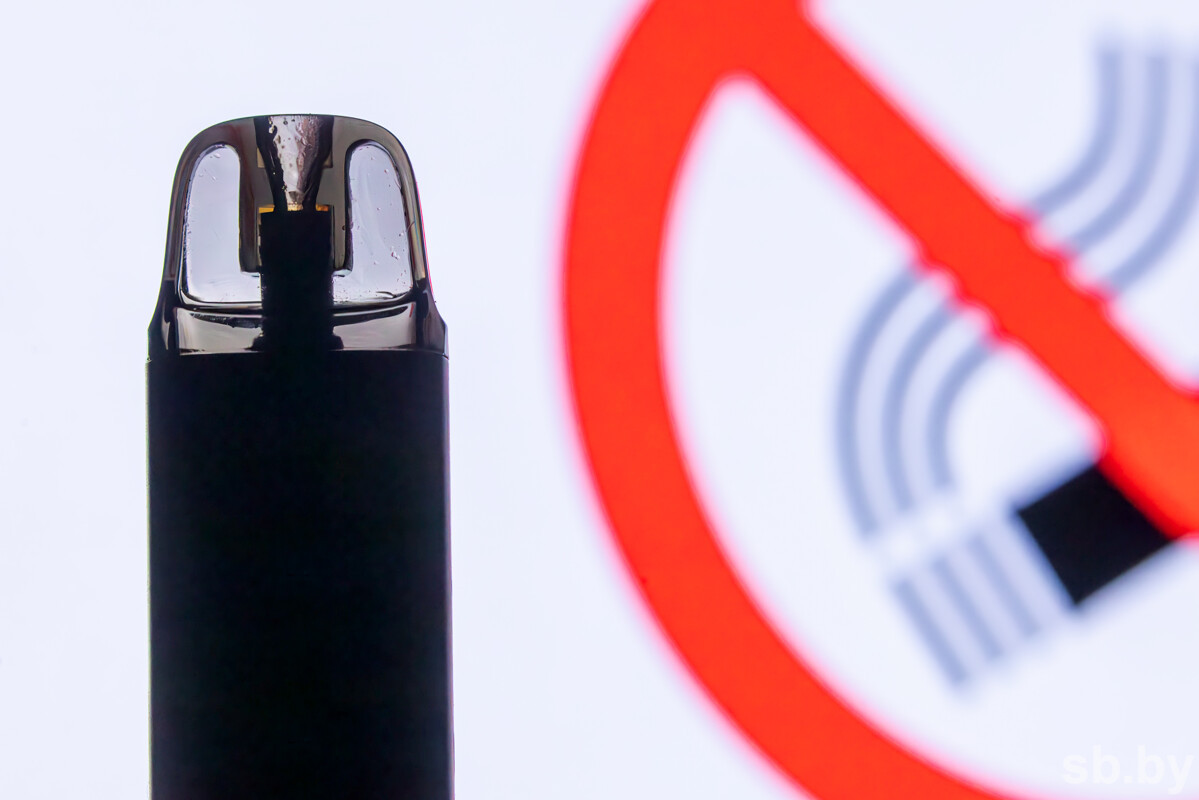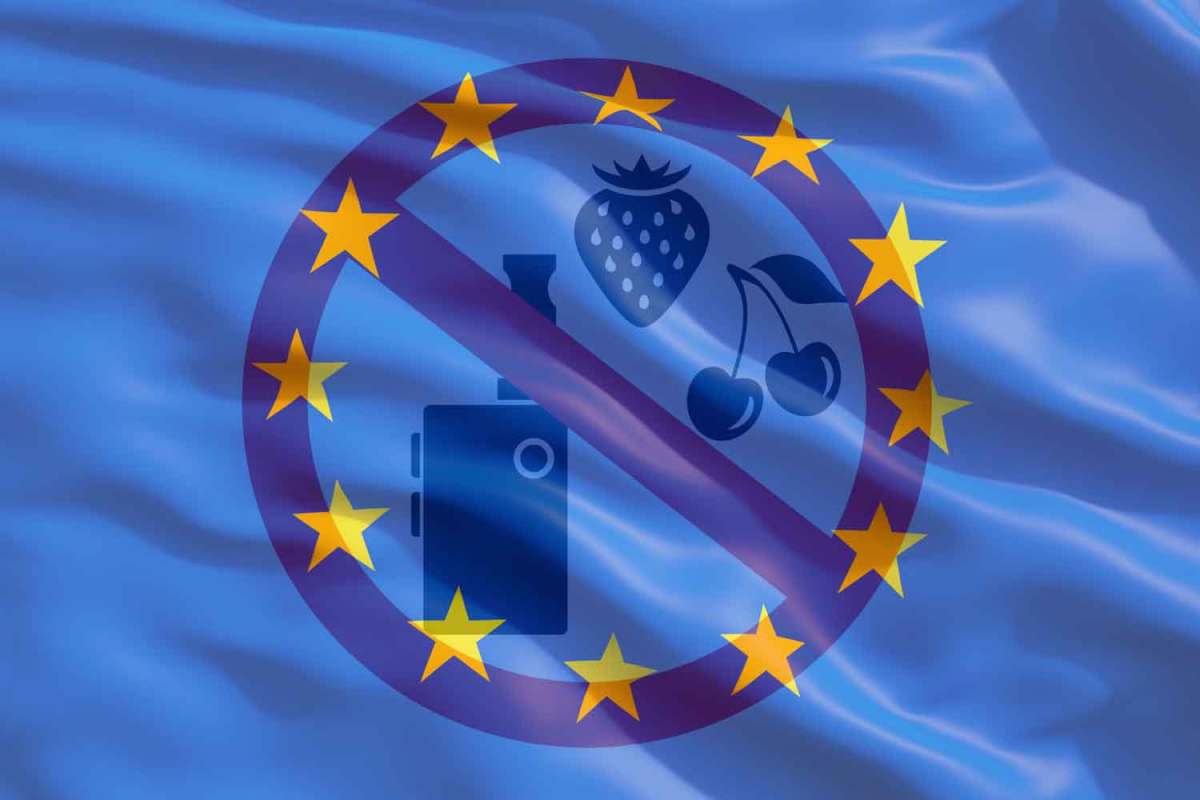
French media outlet Public Senat reported on February 2nd that France has made new legal progress in banning disposable e-cigarettes, which are popular among young people. Yesterday, members of the Senate's Social Affairs Committee passed a bill prohibiting the "production, sale, distribution, or free provision" of disposable e-cigarettes, with a maximum fine of 100,000 euros for violators.
The bill is set to be voted on during an open session in the French Senate on February 7th. Subsequently, it will require approval from the European Commission, which will have a six-month period to make a decision. The French government aims for this law to come into effect before the summer of 2024.
According to reports, this bill originated in November 2022, proposed by five parliament members promoting ecological principles, and unanimously passed in the National Assembly a year later. The aim of the bill is to provide clear regulatory responses to the health and environmental risks associated with the sale of disposable e-cigarettes. During the amendment review process, the Social Affairs Committee introduced a significant change, which is the imposition of sanctions on electronic device production. The bill stipulates that anyone who violates the ban will face fines of up to 100,000 euros.
However, despite public health laws banning the advertisement and sale of such products to minors, as well as the use of e-cigarettes in certain spaces, the Tobacco Control Alliance reports that "over a quarter of underage adolescents believe purchasing and obtaining disposable e-cigarettes is easy." Some e-cigarette brands are actively promoting their products through social media platforms such as TikTok and Instagram, leading to an increasing popularity of e-cigarettes among young people. Studies show that "the daily e-cigarette use rate among 17-year-olds has doubled from 2017 to 2022, reaching 6.2%." For instance, in 2023, "15% of teenagers aged 13 to 16 have already used a disposable e-cigarette, with 47% of young users reporting that they started using nicotine with this product.
While research on the effects of other components in disposable e-cigarettes is lacking, the bill passed by the Senate Committee on Social Affairs tends to adopt a precautionary principle, emphasizing the need for long-term epidemiological studies. Additionally, the plastic and heavy metals used in the manufacturing of e-cigarette devices contribute to their status as highly contaminated waste. The non-removable lithium batteries further complicate recycling efforts, posing a high risk of fire when dealing with such metals.
In addressing this issue, the bill cites British statistical data, stating that "by the end of 2023, five million disposable e-cigarettes are discarded in the UK every week, four times the amount as compared to the end of 2022." To tackle this problem, UK Prime Minister Rishi Sunak has announced the forthcoming ban on disposable e-cigarettes.
We welcome news tips, article submissions, interview requests, or comments on this piece.
Please contact us at info@2firsts.com, or reach out to Alan Zhao, CEO of 2Firsts, on LinkedIn
Notice
1. This article is intended solely for professional research purposes related to industry, technology, and policy. Any references to brands or products are made purely for objective description and do not constitute any form of endorsement, recommendation, or promotion by 2Firsts.
2. The use of nicotine-containing products — including, but not limited to, cigarettes, e-cigarettes, nicotine pouchand heated tobacco products — carries significant health risks. Users are responsible for complying with all applicable laws and regulations in their respective jurisdictions.
3. This article is not intended to serve as the basis for any investment decisions or financial advice. 2Firsts assumes no direct or indirect liability for any inaccuracies or errors in the content.
4. Access to this article is strictly prohibited for individuals below the legal age in their jurisdiction.
Copyright
This article is either an original work created by 2Firsts or a reproduction from third-party sources with proper attribution. All copyrights and usage rights belong to 2Firsts or the original content provider. Unauthorized reproduction, distribution, or any other form of unauthorized use by any individual or organization is strictly prohibited. Violators will be held legally accountable.
For copyright-related inquiries, please contact: info@2firsts.com
AI Assistance Disclaimer
This article may have been enhanced using AI tools to improve translation and editorial efficiency. However, due to technical limitations, inaccuracies may occur. Readers are encouraged to refer to the cited sources for the most accurate information.
We welcome any corrections or feedback. Please contact us at: info@2firsts.com