Key Points
- Hawaii enacted two new laws tightening e-cigarette regulations.
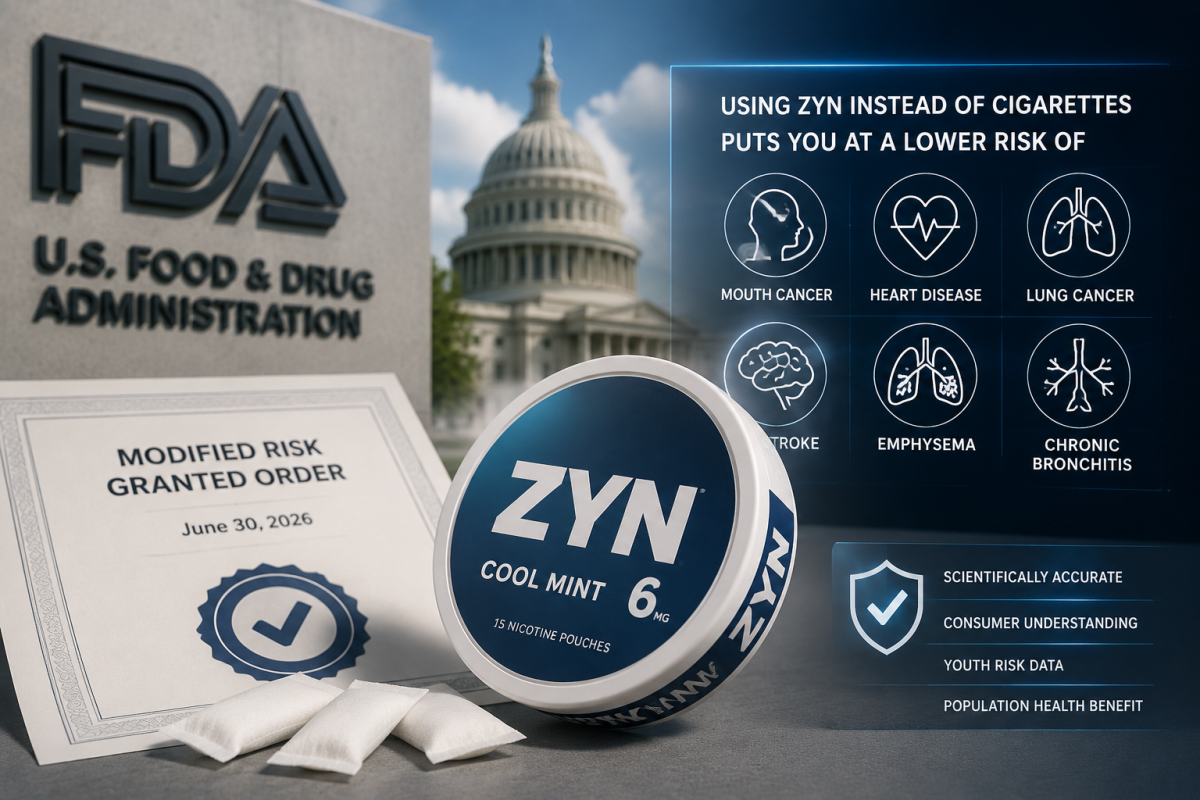
- Vape products must have FDA Marketing Granted Order authorization.
- The state will publish a directory of approved products.
- Disposable e-cigarettes will be banned from 2027.
- Regulators cited youth protection and environmental concerns.
2Firsts
July 8, 2026
Hawaii has introduced stricter e-cigarette regulations after Gov. Josh Green signed two laws that tighten product requirements and restrict disposable vape sales.
FDA Authorization Becomes Market Entry Requirement
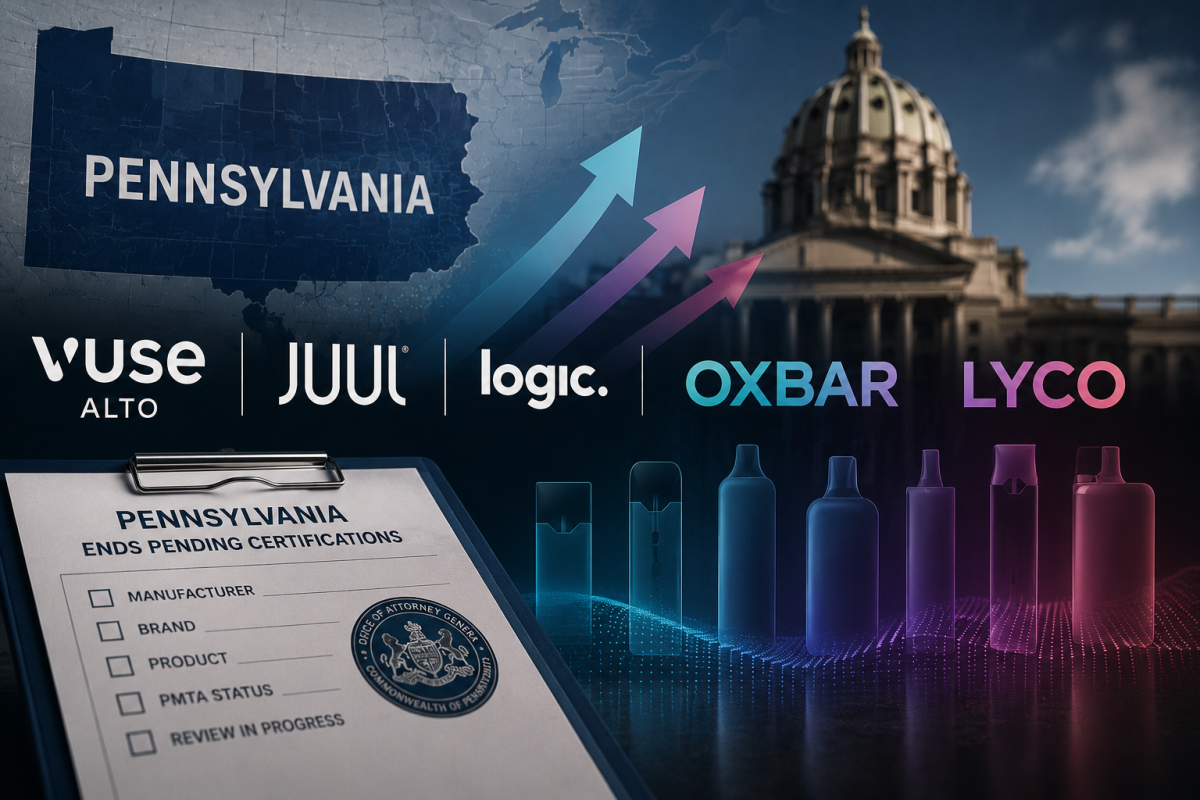
House Bill 1573 requires e-cigarette and e-liquid manufacturers to submit annual certification to Hawaii’s Attorney General confirming compliance with state and federal requirements, including proof of FDA Marketing Granted Order authorization.
The state will establish a public directory listing certified brands, products and manufacturers. Products not included in the directory will face enforcement action.
State lawmakers said the measure will not eliminate vaping products entirely but will significantly reduce the number of products legally available in Hawaii.
Disposable E-Cigarettes to Face 2027 Ban
Senate Bill 2175 prohibits the sale of disposable electronic smoking devices in Hawaii beginning Jan. 1, 2027.
The measure targets disposable devices containing lithium-ion batteries, with lawmakers citing both waste concerns and potential environmental risks.
Violations of the disposable vape ban may result in fines.
However, disposable devices with FDA Marketing Granted Orders, such as currently authorized NJOY DAILY products, are exempt from the ban.
Hawaii Moves Toward a Smaller Authorized Market
Hawaii officials said the new regulations are not intended as a complete prohibition of vaping products, but rather as a way to narrow the legal market through FDA authorization requirements.
The state said many flavored and youth-attractive products currently sold are not FDA-authorized and would face greater restrictions under the new framework.
Officials said reducing unauthorized product availability is intended to limit youth access to vaping products.
Industry Impact and Outlook
Hawaii’s new rules represent a shift from traditional sales restrictions toward product authorization-based regulation.
Rather than simply banning categories of products, HB1573 creates a market filter based on FDA authorization status, making Marketing Granted Orders a key requirement for companies seeking access to Hawaii consumers.
For manufacturers, the rules may increase compliance costs related to product certification, documentation and ongoing regulatory monitoring. The disposable vape ban may also accelerate product shifts toward reusable devices, pod systems and other authorized formats.
The Hawaii case reflects two broader trends in U.S. vaping regulation: increased reliance on FDA authorization as a market gatekeeper and growing policy pressure on disposable products due to environmental and public health concerns.
Whether other states adopt similar approaches will be an important factor shaping the future U.S. e-cigarette market.
Follow 2Firsts for the latest updates on global tobacco harm reduction, nicotine products and regulatory developments.
Cover Image source: Aloha State Daily
Disclaimer
This article is provided solely for professional research, industry discussion, and informational purposes. Any references to brands, companies, products, technologies, or policies are made for factual reporting and analytical purposes only, and do not constitute endorsement, recommendation, promotion, or advertising by 2Firsts.
Nicotine-containing products, including but not limited to cigarettes, e-cigarettes, heated tobacco products, and nicotine pouches, carry significant health risks. Readers are responsible for complying with all applicable laws and regulations in their respective jurisdictions, including age restrictions and access limitations.
The information contained in this article should not be regarded as investment, legal, medical, regulatory, or commercial advice. While 2Firsts strives to ensure the accuracy and reliability of its content, it does not assume liability for any direct or indirect loss arising from errors, omissions, inaccuracies, or reliance on the information contained herein.
This article is not intended for individuals below the legal age for accessing tobacco or nicotine-related information in their jurisdiction.
Copyright Notice
This article is either original content produced by 2Firsts or content reproduced, translated, summarized, or adapted from third-party sources with attribution where applicable. The intellectual property rights of the original content remain with 2Firsts or the respective original rights holders.
No individual or organization may copy, reproduce, distribute, republish, modify, translate, or otherwise use this content without prior authorization. Any unauthorized use may result in legal action.
For copyright-related inquiries, corrections, or removal requests, please contact: info@2firsts.com.
AI-Assisted Translation and Editing Notice
Portions of this article may have been translated, edited, or reviewed with the assistance of artificial intelligence tools to improve efficiency and readability. Due to the limitations of AI-assisted translation and editing, discrepancies, omissions, or inaccuracies may exist when compared with the original source.
Where applicable, readers are advised to refer to the original source for the most complete and accurate information. If you identify any errors or believe that any content infringes upon your rights, please contact us at info@2firsts.com, and we will review and address the matter promptly.