Key Points
- Indiana’s law restricting foreign-made vape sales has taken effect.
- The measure affects vape brands and retailers relying on overseas manufacturing.
- Local businesses are adjusting inventory and supplier relationships.
- The policy reflects growing attention to supply-chain transparency in vape regulation.
2Firsts
July 24, 2026
A new Indiana law restricting the sale of foreign-made vape products has taken effect, requiring vape retailers across the state to adjust inventory management and sourcing practices.
According to The Sun, wthitv and other reports, the law limits the sale of certain vape products manufactured outside the United States and requires retailers to ensure products comply with the state’s new requirements.
The measure expands the compliance focus for vape companies from traditional product requirements toward manufacturing origin and supply-chain management.
Indiana Restricts Sales of Foreign-Made Vape Products
The new law targets “foreign-made” vape products.
According to reports, affected products include certain vape devices and related products that rely on overseas manufacturing supply chains. With the law now in effect, Indiana retailers must review whether products in their inventory meet the new manufacturing-origin requirements.
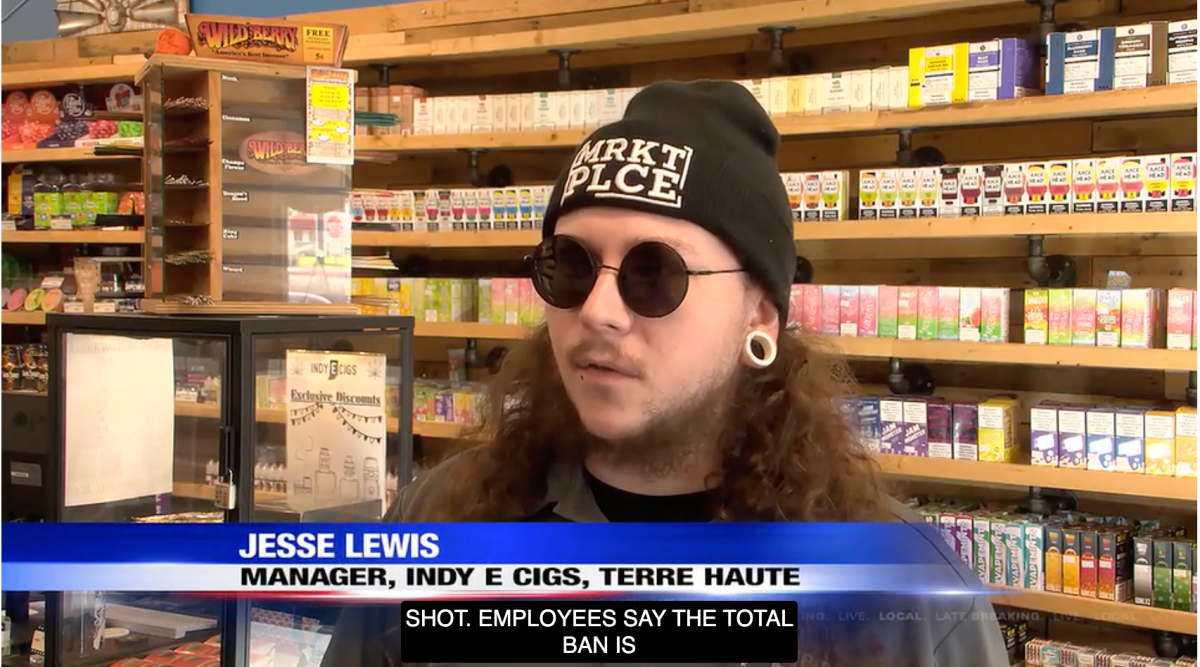
Some local vape shops said they are reviewing existing inventory and working with suppliers to confirm manufacturing information.
Retailers Adjust Inventory and Supply Sources
For vape retailers that rely on imported products, the new requirements create additional supply-chain challenges.
WDRB reported that some Indiana vape businesses are reviewing inventory and communicating with suppliers about product sourcing requirements.
Retailers must consider not only existing inventory but also future purchasing decisions, including manufacturing locations, supplier information and compliance documentation.
Regulation Expands From Product Rules to Manufacturing Origin
U.S. vape regulation has historically focused on product authorization, age restrictions and sales practices.
The FDA oversees tobacco product authorization and federal tobacco regulations, while states typically regulate sales, licensing and retail practices.
Indiana’s policy introduces another regulatory focus: the origin and structure of vape supply chains.
For companies operating under a “U.S. brand plus overseas manufacturing” model, the change may increase the importance of manufacturing transparency and supply-chain documentation.
Importers and Overseas Suppliers Face New Requirements
The vape industry has long relied on global supply chains involving overseas manufacturers, OEM/ODM suppliers, U.S. brands and domestic distributors.
Indiana’s law may push companies to reassess supply arrangements, including confirming manufacturing locations, strengthening supplier documentation and adjusting product portfolios for the state market.
For some companies, reliance on overseas manufacturing may require additional compliance planning, including supplier changes or expanded domestic production capacity.
State-Level Supply Chain Regulation Gains Attention
Indiana’s move represents one example of increasing attention to manufacturing origins within U.S. vape regulation.
Federal and state authorities have increasingly focused on vape market oversight, including product authorization, illegal sales, import compliance and supply-chain transparency.
The DOJ’s Trade Fraud Task Force has also expanded investigations into cross-border trade violations involving issues such as origin claims, import documentation and supply-chain responsibility.
While Indiana’s law focuses on manufacturing origin rather than trade fraud, both developments reflect a broader shift toward supply-chain accountability in vape regulation.
Industry Impact: Supply Chain Transparency Becomes a Competitive Factor
For vape companies, market access in the U.S. increasingly requires more than product compliance.
As regulators pay greater attention to manufacturing origins, supplier information and supply-chain responsibility, companies may need stronger compliance systems.
Whether Indiana’s approach will influence other states remains to be seen. However, for companies relying on overseas manufacturing, supply-chain transparency is becoming an increasingly important factor in U.S. market access.
Follow 2Firsts for the latest updates on global tobacco and nicotine regulation, industry developments and market trends.
Cover Image source: wthitv
Disclaimer
This article is provided solely for professional research, industry discussion, and informational purposes. Any references to brands, companies, products, technologies, or policies are made for factual reporting and analytical purposes only, and do not constitute endorsement, recommendation, promotion, or advertising by 2Firsts.
Nicotine-containing products, including but not limited to cigarettes, e-cigarettes, heated tobacco products, and nicotine pouches, carry significant health risks. Readers are responsible for complying with all applicable laws and regulations in their respective jurisdictions, including age restrictions and access limitations.
The information contained in this article should not be regarded as investment, legal, medical, regulatory, or commercial advice. While 2Firsts strives to ensure the accuracy and reliability of its content, it does not assume liability for any direct or indirect loss arising from errors, omissions, inaccuracies, or reliance on the information contained herein.
This article is not intended for individuals below the legal age for accessing tobacco or nicotine-related information in their jurisdiction.
Copyright Notice
This article is either original content produced by 2Firsts or content reproduced, translated, summarized, or adapted from third-party sources with attribution where applicable. The intellectual property rights of the original content remain with 2Firsts or the respective original rights holders.
No individual or organization may copy, reproduce, distribute, republish, modify, translate, or otherwise use this content without prior authorization. Any unauthorized use may result in legal action.
For copyright-related inquiries, corrections, or removal requests, please contact: info@2firsts.com.
AI-Assisted Translation and Editing Notice
Portions of this article may have been translated, edited, or reviewed with the assistance of artificial intelligence tools to improve efficiency and readability. Due to the limitations of AI-assisted translation and editing, discrepancies, omissions, or inaccuracies may exist when compared with the original source.
Where applicable, readers are advised to refer to the original source for the most complete and accurate information. If you identify any errors or believe that any content infringes upon your rights, please contact us at info@2firsts.com, and we will review and address the matter promptly.