IQOS Global Flagship Space to Open in Tokyo Ginza as PMI Expands Consumer Experience Strategy

Jul.21
IQOS Global Flagship Space to Open in Tokyo Ginza as PMI Expands Consumer Experience Strategy
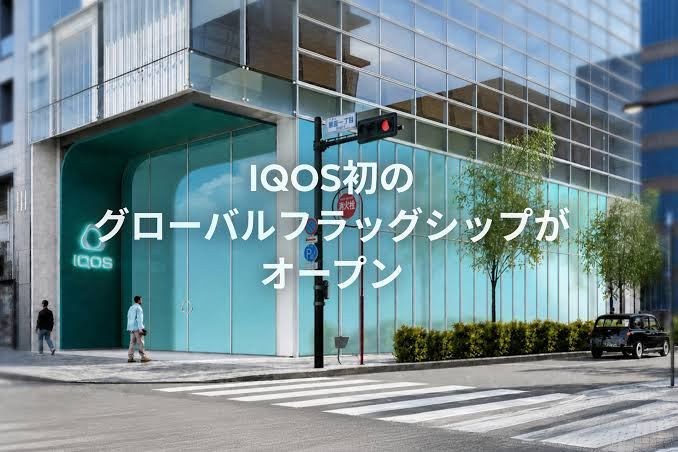
Philip Morris Japan (PMJ) announced that it will open “IQOS Flagship Ginza” in Tokyo on September 4, 2026. The location will become the first global flagship space for PMI’s IQOS brand. PMJ said the venue will target adult smokers aged 20 and above and combine product experiences, community engagement and local cultural elements. The design will incorporate Japanese natural aesthetics and traditional craftsmanship. The launch reflects PMI’s broader strategy of strengthening consumer engagement through experiential retail and brand spaces. The existing IQOS Store Ginza is scheduled to close on August 30, 2026.

Key Points

  • PMI will open its first IQOS global flagship space in Tokyo Ginza.
  • IQOS Flagship Ginza is scheduled to open on September 4, 2026.
  • The space will combine product experiences, community engagement and Japanese cultural elements.
  • Japan remains a key market for IQOS.
  • PMI continues expanding experiential retail for its smoke-free portfolio.

2Firsts

July 20, 2026

Philip Morris Japan (PMJ) announced that it will open “IQOS Flagship Ginza” in Tokyo on September 4, 2026, marking the first global flagship space for Philip Morris International’s IQOS brand.

PMJ said the location will target adult smokers aged 20 and above and provide product experiences, brand engagement and community interaction.

The launch represents an expansion of IQOS’s experiential retail strategy in Japan.

PMI Creates First IQOS Global Flagship Space

According to PMJ, IQOS Flagship Ginza is designed as a global flagship experience location rather than a traditional retail store.

PMI said such flagship locations are intended to be placed in iconic city areas and combine local culture, design and hospitality to create brand engagement spaces.

For the Tokyo location, PMJ said the design will draw inspiration from Japan’s natural landscapes, seasonal changes and traditional craftsmanship.

Japan Remains a Strategic IQOS Market

Japan has long been one of IQOS’s key markets.

PMJ said it has operated in Japan since 1985 and currently employs around 1,600 people in the country.

PMI said more than 43 million adult consumers worldwide were using its smoke-free products as of December 31, 2025, and smoke-free products accounted for 43% of PMI’s net revenue in the first quarter of 2026.

The company has positioned IQOS as a core part of its transition away from combustible cigarettes.

Shift From Retail Stores to Experience Spaces

For global consumer brands, flagship locations increasingly serve functions beyond sales, including brand communication, consumer education and community building.

IQOS Flagship Ginza reflects a broader trend among tobacco companies using experiential retail to strengthen engagement with adult consumers.

Such spaces allow companies to provide:

● product demonstrations;

● consumer interaction;

● brand storytelling;

● new product showcases.

PMI Continues Smoke-Free Strategy

PMI has positioned its “Smoke-Free Future” strategy as a central part of its business transformation.

The company said it has invested $16 billion since 2008 in developing, scientifically evaluating and commercializing smoke-free products.

PMI’s portfolio includes heated tobacco products and other smoke-free nicotine products.

The company said certain IQOS products have received regulatory authorization from the U.S. Food and Drug Administration, including modified risk tobacco product (MRTP) authorizations for some products.

Existing IQOS Ginza Store to Close

PMJ said the existing IQOS Store Ginza will close on August 30, 2026, ahead of the opening of IQOS Flagship Ginza.

The move represents a transition from a traditional branded retail store toward a larger flagship experience model.

For the industry, the launch highlights how major tobacco companies are using experiential spaces, cultural design and consumer engagement to strengthen their smoke-free product strategies.

Follow 2Firsts for the latest updates on companies, markets and business trends in the global nicotine and tobacco harm reduction sectors.

Cover Image source: Philip Morris Japan

Japan’s Heated Tobacco Tax Changes Reshape Consumer Choices, Survey Reveals Impact of Price and Income
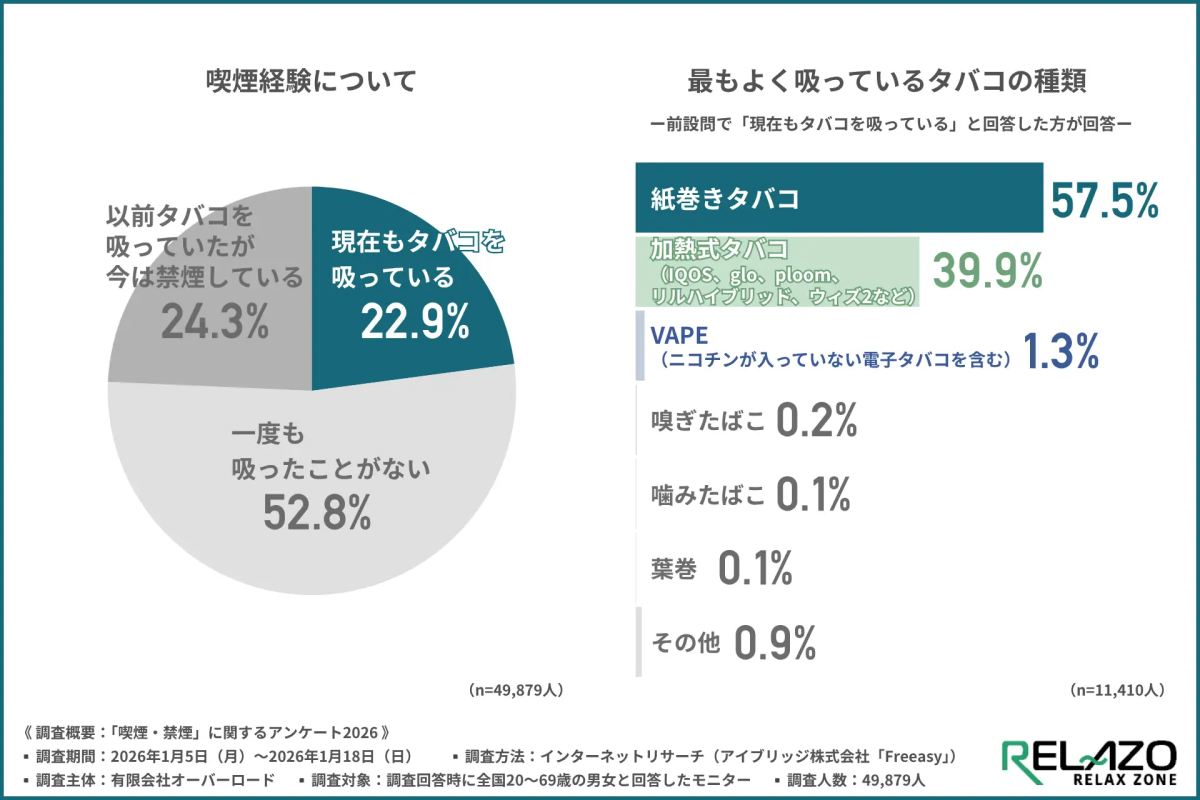
A consumer survey by Japanese heated tobacco information platform RELAZO found that rising tobacco prices and planned heated tobacco tax changes may influence smoking decisions among Japanese consumers. The survey covered 49,879 men and women aged 20 to 69 nationwide. It found that around 40% of respondents cumulatively indicated they may consider quitting when a pack reaches ¥600 (approximately US$4.1), while nearly 90% expressed potential quitting intentions at a ¥1,000 (approximately US$6.8) price level. The survey also found significant differences by income level, with lower-income respondents showing greater sensitivity to price increases.
Jul.24
JT Plans ¥800 Billion Investment in Heated Tobacco Over Three Years, Betting on Ploom as Second Growth Engine
Japan Tobacco Inc. (JT) CEO Takehiko Tsutsui said the company plans to invest about ¥800 billion (approximately US$5.4 billion) in heated tobacco products over three years through 2028, aiming to establish Ploom as a second growth engine after combustible cigarettes. Tsutsui said Ploom AURA helped JT increase its share of Japan’s heated tobacco market to 15.8% in the first quarter of 2026. Ploom products are now available in 29 markets, with Ploom AURA sold in 25 markets including Japan. JT also plans to continue its cigarette business while positioning its food operations, particularly frozen noodle products in North America, as another growth opportunity.
Jul.23
Japan Health Ministry Cites Limited Evidence in Decision Not to Tighten Heated Tobacco Rules
Japan’s health ministry has proposed not tightening regulations on heated tobacco products to the same level as cigarettes as part of a review of passive smoking measures, with an expert panel broadly agreeing with the proposal, Jiji Press reported.
Jul.10
Japan’s Heated Tobacco Tax Reform Drives Price Increase as JT Raises All Ploom Sticks by ¥40
Japan Tobacco Inc. (JT) has applied to Japan’s finance minister for approval to revise retail prices of its Ploom heated tobacco sticks following planned changes to the heated tobacco tax system from October 1, 2026. If approved, all 31 Ploom stick products will increase by ¥40. After the adjustment, EVO products will cost ¥620 per 20-stick pack, MEVIUS products ¥590 and CAMEL products ¥570. JT said the price revision is intended to respond to tax changes while maintaining product quality and brand value. The tax reform is expected to narrow the tax gap between combustible cigarettes and heated tobacco products, potentially reshaping pricing strategies in Japan’s heated tobacco market.
Jul.22