Key Points
- Kaival Brands is exploring opportunities in nicotine pouches and modern nicotine products.
- The company has historically focused on vaping-related distribution and licensing.
- Nicotine pouches are becoming a new growth area for some smaller nicotine companies.
- Kaival’s strategy reflects a broader shift toward diversified smoke-free products.
- Current growth expectations require further confirmation through company disclosures and regulatory developments.
2Firsts
July 16, 2026
U.S. nicotine company Kaival Brands Innovations Group is exploring opportunities in nicotine pouches and other modern nicotine products, according to market analysis published by Ad Hoc News. The company has attracted attention as a smaller nicotine-sector player seeking growth beyond traditional vaping products.
Unlike a company announcement, regulatory filing or product launch, the report primarily focuses on Kaival’s stock outlook and business potential. Therefore, the growth expectations discussed should be viewed as market analysis rather than confirmed company strategy.
From Vape Distribution Toward Broader Nicotine Products
Kaival Brands Innovations Group is a U.S.-based nicotine products company that has historically participated in the vaping market through licensing and distribution models.
The company previously focused on commercialization activities related to BIDI-branded vaping products and expanded through distribution agreements.
As the U.S. nicotine market evolves, some vaping companies are exploring additional product categories, including nicotine pouches, oral nicotine products and other smoke-free formats.
Nicotine Pouches Become a New Growth Category
Nicotine pouches have become one of the most closely watched categories in the global nicotine market.
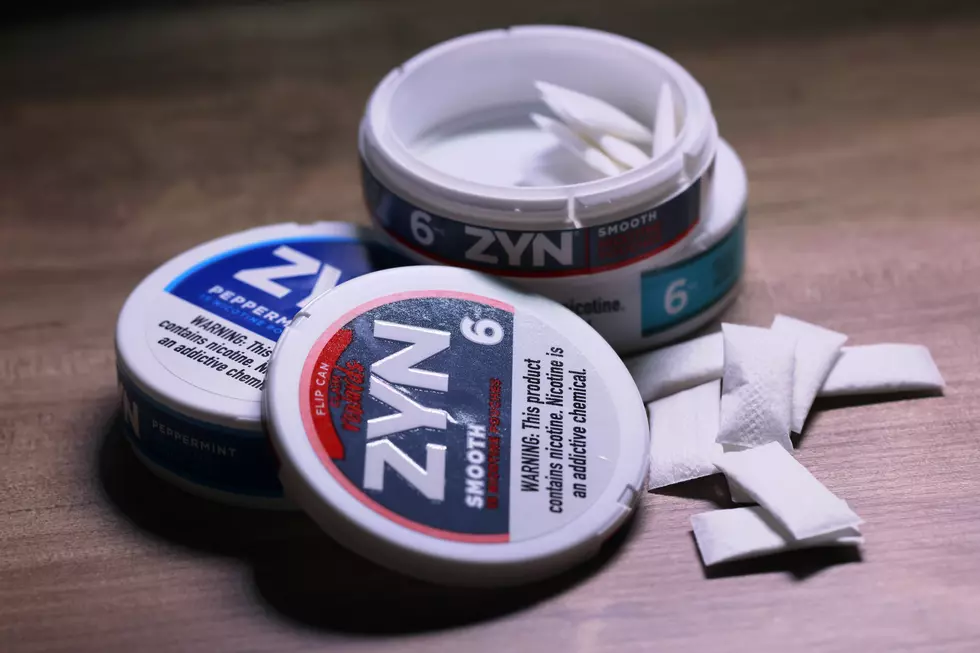
Unlike vaping products, nicotine pouches deliver nicotine orally without vapor devices or inhalation. The category has attracted major tobacco companies and emerging nicotine businesses, with brands such as ZYN and VELO expanding consumer awareness.
For smaller companies, nicotine pouches offer a potential alternative growth path, but they also bring challenges involving regulation, competition and distribution.
Kaival’s exploration of nicotine pouches reflects a broader industry effort to reduce reliance on a single vaping category.
Small Nicotine Companies Face Opportunities and Regulatory Pressure
The U.S. nicotine market continues to face significant regulatory challenges.
Vape companies must navigate FDA authorization requirements as well as state-level rules covering flavored products, sales channels and consumer protection.
For companies such as Kaival, entering new nicotine categories may create growth opportunities, but success depends on regulatory compliance, market access and consumer adoption.
Ad Hoc News identified Kaival’s positioning in alternative nicotine products as a potential growth factor, although such market expectations remain dependent on future business execution and regulatory outcomes.
Nicotine Industry Moves Toward Multi-Category Competition
Kaival’s strategy reflects a broader industry trend: nicotine companies are moving from a single-category vaping competition toward diversified portfolios covering vapes, nicotine pouches, heated products and other oral nicotine formats.
Large companies have already built multi-category smoke-free portfolios through brands such as IQOS, ZYN, VEEV and VELO, while smaller companies often rely on licensing, distribution and niche-market strategies.
Going forward, the ability to build supply chains, secure regulatory compliance and establish consumer recognition will determine whether smaller nicotine companies can compete in the expanding smoke-free market.
Follow 2Firsts for the latest updates on companies, markets and business trends in the global nicotine and tobacco harm reduction sectors.
Cover Image source: Ad Hoc News
Disclaimer
This article is provided solely for professional research, industry discussion, and informational purposes. Any references to brands, companies, products, technologies, or policies are made for factual reporting and analytical purposes only, and do not constitute endorsement, recommendation, promotion, or advertising by 2Firsts.
Nicotine-containing products, including but not limited to cigarettes, e-cigarettes, heated tobacco products, and nicotine pouches, carry significant health risks. Readers are responsible for complying with all applicable laws and regulations in their respective jurisdictions, including age restrictions and access limitations.
The information contained in this article should not be regarded as investment, legal, medical, regulatory, or commercial advice. While 2Firsts strives to ensure the accuracy and reliability of its content, it does not assume liability for any direct or indirect loss arising from errors, omissions, inaccuracies, or reliance on the information contained herein.
This article is not intended for individuals below the legal age for accessing tobacco or nicotine-related information in their jurisdiction.
Copyright Notice
This article is either original content produced by 2Firsts or content reproduced, translated, summarized, or adapted from third-party sources with attribution where applicable. The intellectual property rights of the original content remain with 2Firsts or the respective original rights holders.
No individual or organization may copy, reproduce, distribute, republish, modify, translate, or otherwise use this content without prior authorization. Any unauthorized use may result in legal action.
For copyright-related inquiries, corrections, or removal requests, please contact: info@2firsts.com.
AI-Assisted Translation and Editing Notice
Portions of this article may have been translated, edited, or reviewed with the assistance of artificial intelligence tools to improve efficiency and readability. Due to the limitations of AI-assisted translation and editing, discrepancies, omissions, or inaccuracies may exist when compared with the original source.
Where applicable, readers are advised to refer to the original source for the most complete and accurate information. If you identify any errors or believe that any content infringes upon your rights, please contact us at info@2firsts.com, and we will review and address the matter promptly.