Malaysian Police Dismantle Drug Syndicate, Seize About USD 352,000 in MDMA-Laced Vape Oil

Aug.29.2025
Malaysian Police Dismantle Drug Syndicate, Seize About USD 352,000 in MDMA-Laced Vape Oil
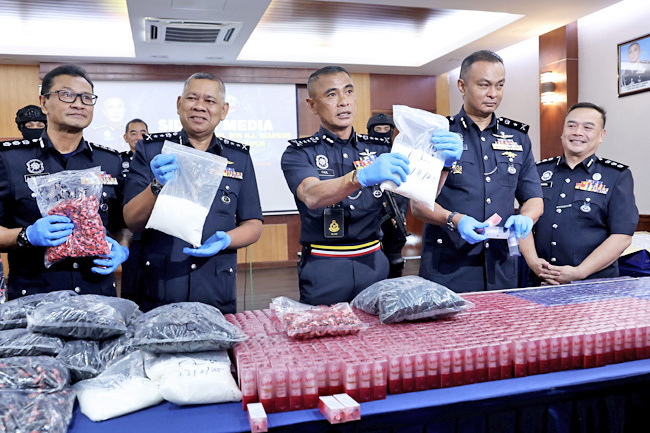
Malaysian police have busted a criminal syndicate distributing the new-type drug MDMA and seized e-cigarette vape oil and related items worth approximately RM1.48 million (about USD 352,000). Nine suspects were arrested, including a Thai woman. The case is being investigated under Section 39B of the Dangerous Drugs Act.

Key Points


  • Scope of operations: Police conducted seven raids in the Klang Valley on August 22.
  • Arrests: Nine suspects aged 24–34 were detained, including a Thai woman.
  • Seizures: 3.5 kg of MDMA; 7.6 liters of vape cartridges and bottled e-liquids; and 39 liters of MDMA vape oil.
  • Sales method: The group processed and stored drugs in security-guarded luxury condominiums and distributed them via couriers. A 15 ml vape cartridge sold for about RM100–200 (USD 23.8–47.5).
  • Other assets: Cars, luxury goods, and RM1.5 million (about USD 356,000) in cash were confiscated.
  • Legal progress: Five suspects were remanded for seven days pending investigation; applications to remand the remaining four were rejected.


2Firsts, August 29, 2025 — Malaysian police carried out seven raids across the Klang Valley, dismantling a criminal syndicate distributing the new-type drug MDMA (3,4-methylenedioxymethamphetamine) and seizing e-cigarette vape oil valued at about RM1.48 million (approximately USD 352,000).

Kuala Lumpur Police Chief Datuk Fadil Marsus told a press conference that nine suspects, aged between 24 and 34 — including a Thai woman — were arrested on August 22.


Investigations indicate the group had been active since late last year, using security-guarded luxury condominiums as drug processing and storage sites, and distributing the drugs via courier services. Some of the supply even reached areas beyond the Klang Valley.


Police seized 3.5 kilograms of MDMA, 7.6 liters of MDMA-laced vape cartridges and bottled e-liquids, as well as approximately 39 liters of MDMA vape oil. The investigation also showed that each 15-milliliter vape cartridge was sold for around RM100–200 (USD 23.8–47.5).


In addition, police confiscated multiple cars, luxury watches, designer handbags, and RM1.5 million in cash (about USD 356,000).


Fadil noted that all nine suspects tested negative in urine tests. The case is being investigated under Section 39B of the Dangerous Drugs Act. Five individuals have been remanded for seven days, while applications to extend detention for the remaining four were rejected.


We welcome news tips, article submissions, interview requests, or comments on this piece.

Please contact us at info@2firsts.com, or reach out to Alan Zhao, CEO of 2Firsts, on LinkedIn


Notice

1.  This article is intended solely for professional research purposes related to industry, technology, and policy. Any references to brands or products are made purely for objective description and do not constitute any form of endorsement, recommendation, or promotion by 2Firsts.

2.  The use of nicotine-containing products — including, but not limited to, cigarettes, e-cigarettes, nicotine pouchand heated tobacco products — carries significant health risks. Users are responsible for complying with all applicable laws and regulations in their respective jurisdictions.

3.  This article is not intended to serve as the basis for any investment decisions or financial advice. 2Firsts assumes no direct or indirect liability for any inaccuracies or errors in the content.

4.  Access to this article is strictly prohibited for individuals below the legal age in their jurisdiction.


Copyright


This article is either an original work created by 2Firsts or a reproduction from third-party sources with proper attribution. All copyrights and usage rights belong to 2Firsts or the original content provider. Unauthorized reproduction, distribution, or any other form of unauthorized use by any individual or organization is strictly prohibited. Violators will be held legally accountable.

For copyright-related inquiries, please contact: info@2firsts.com


AI Assistance Disclaimer


This article may have been enhanced using AI tools to improve translation and editorial efficiency. However, due to technical limitations, inaccuracies may occur. Readers are encouraged to refer to the cited sources for the most accurate information.

We welcome any corrections or feedback. Please contact us at: info@2firsts.com

Special Report | From New York to Washington: How FDA’s Tobacco Center Is Reworking Product Review
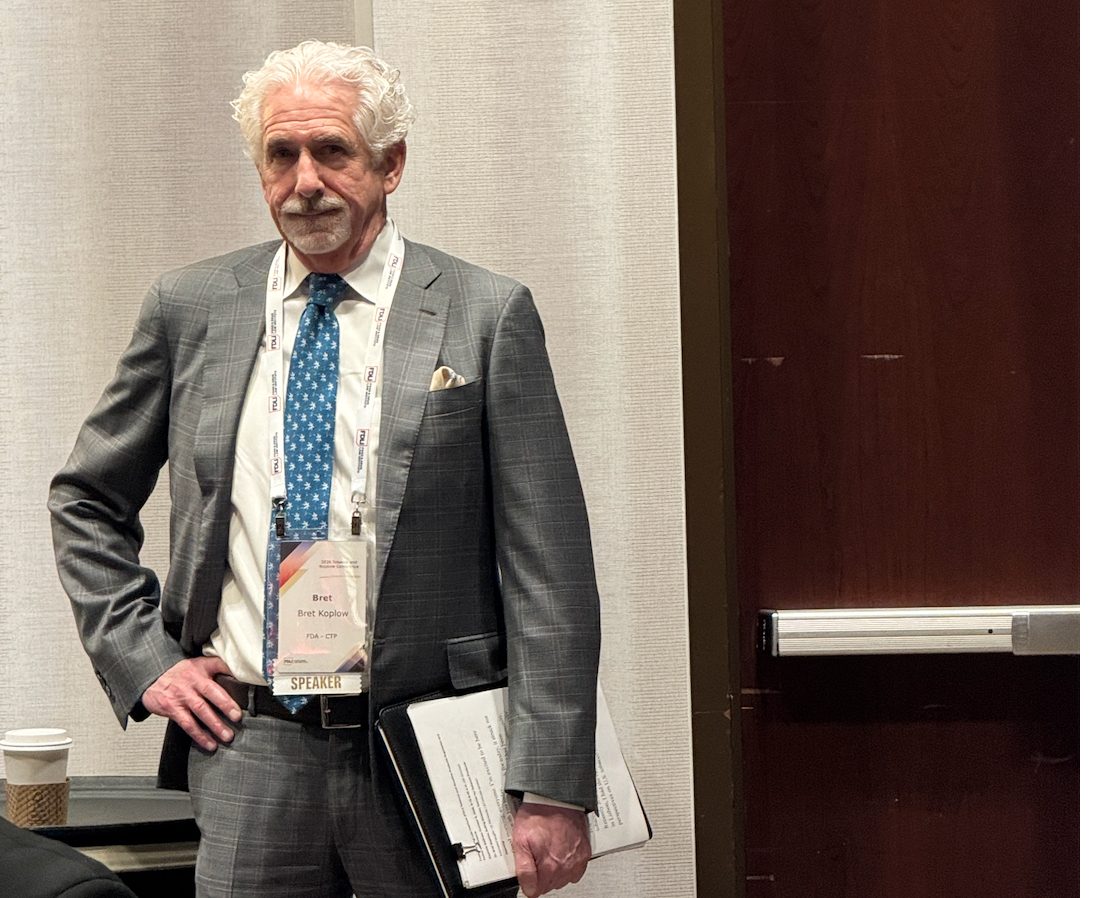
FDA’s Center for Tobacco Products is reshaping how it approaches tobacco product review. Based on 2Firsts’ on-site reporting in New York and Washington, this report traces CTP’s emerging direction: stronger links between PMTA and tobacco harm reduction, more category-specific review, greater emphasis on decision-relevant science, more predictable timelines and expanded use of sPMTA for product modifications. CTP also acknowledged major constraints, including just nine PMTA review teams, persistent backlogs and limits on hiring capacity.
Regulations
Oct.08
Philippines BIR Steps Up Illicit Vape Enforcement Ahead of Christmas Shopping
The Philippines’ Bureau of Internal Revenue is intensifying enforcement against illicit vape and tobacco products ahead of the Christmas shopping season, directing regional and enforcement offices to strengthen monitoring of production sites, warehouses, distribution channels and retail outlets. The BIR destroyed 240,550 illicit vape products in August with an estimated tax liability of about PHP1.53 billion. A nationwide tax-compliance operation in July also inspected 3,590 businesses involved in tobacco and vapor products.
Regulations
Sep.17 by 2Firsts Perspectives
Australia Adds 6-Methylnicotine to Schedule 9 Prohibited Substances, Effective October 1
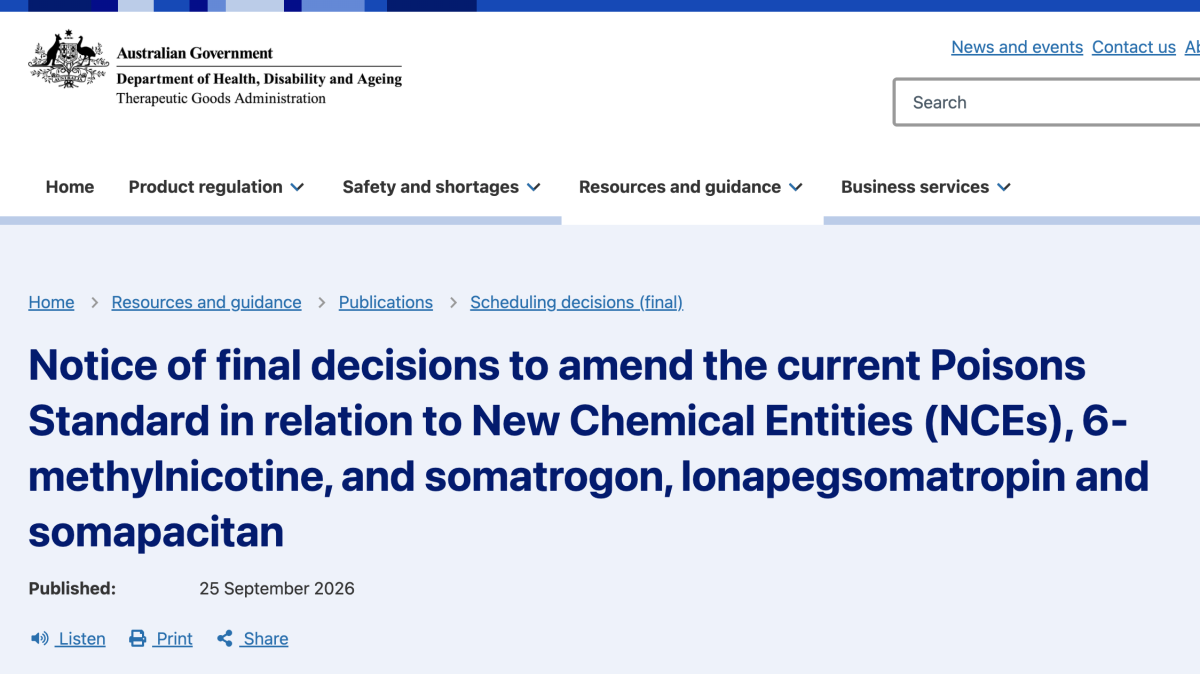
Australia's Therapeutic Goods Administration published a final decision on September 25 to classify 6-methylnicotine as a Schedule 9 prohibited substance under the Poisons Standard, effective October 1, 2026. TGA said the chemical has been reported in e-cigarette liquids sold in Australia and marketed as nicotine-free or nicotine alternatives, while evidence also indicates its use in preparations such as oral pouches. The government originally proposed a Schedule 7 classification but ultimately adopted the stricter Schedule 9 designation, citing acute toxicity, dependence risk, use in unapproved consumer products and misleading marketing.
News
Sep.29 by 2Firsts Perspectives
Russia Expands Temporary Administration of JTI Assets in Second Round: From Four to All Seven Russian Entities, With Approximately $9.5 Billion in Related Assets
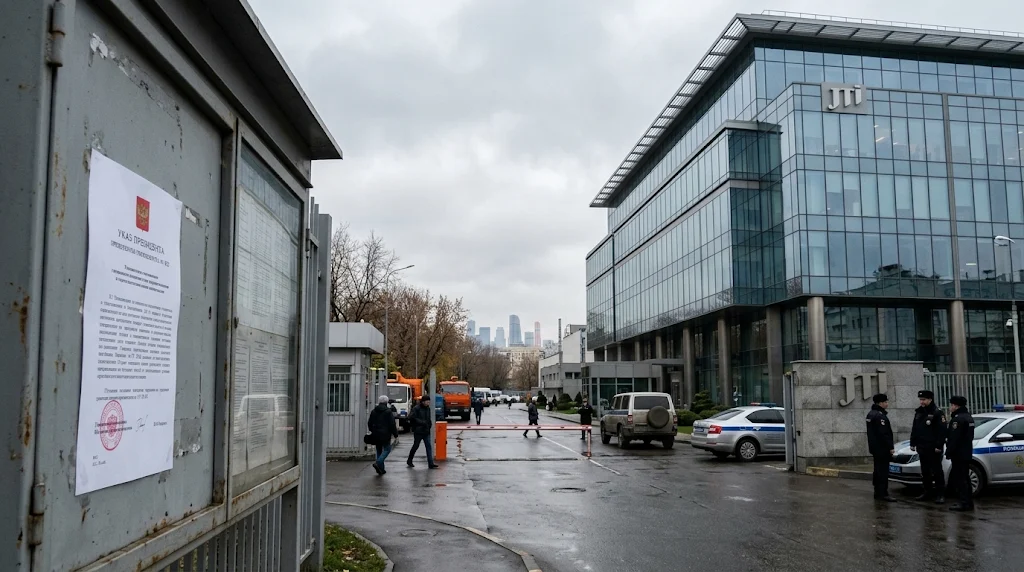
Japan Tobacco Inc. (JT) confirmed on November 9, 2026, that all seven of its Russian entities had been placed under temporary administration after a second presidential decree added three companies to the four designated a day earlier. The additional entities are associated with importing, management, holdings and the former supply of Ploom heated-tobacco devices. JT disclosed approximately ¥1.5 trillion in Russian business-related assets as of September 30, including ¥360 billion in cash and deposits, and approximately ¥200 billion in liabilities. Under its revised FY2026 forecast, Russia accounts for about 25% of adjusted operating profit. JT said operations in Russia were continuing, while the financial impact remained under assessment.
company
Nov.09
US ITC Judge Finds Glas Infringed Two JUUL Vape Patents, Recommends Restrictions on Related Imports——Glas Received FDA Marketing Authorization for Four Vape Pods in May 2026; Proposed Restrictions Remain Under Commission Review
A U.S. International Trade Commission (USITC) administrative law judge issued an initial determination on October 20, 2026, finding that certain Glas vaping devices, cartridges and components infringed 12 claims across two patents asserted by JUUL, constituting a violation of Section 337 of the Tariff Act of 1930. The judge recommended a limited exclusion order and a cease and desist order against the Glas respondents. Five months earlier, the FDA authorized four Glas e-cigarette pods, including mango, blueberry and two menthol variants. The patent investigation concerns device and cartridge structures and is separate from FDA premarket review. The proposed import restrictions have not become final, and their product-level scope remains unresolved.
company
Nov.05
STIIIZY Redesign Fails to Escape PAX Labs Patent Import Ban as Section 337 Case Also Involves China ALD
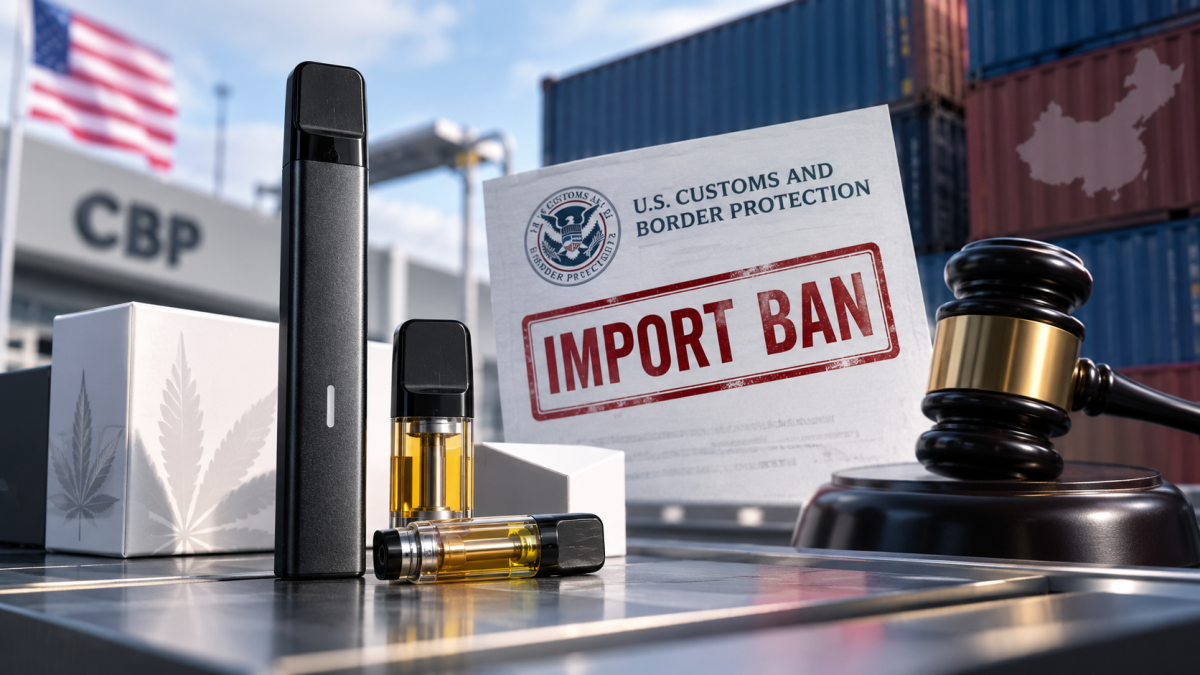
U.S. Customs and Border Protection ruled that STIIIZY had not shown that the redesigned cannabis-vape products covered by its latest request fall outside an ITC limited exclusion order tied to PAX Labs patents. CBP accepted some of STIIIZY’s claim-construction and non-infringement arguments, but the company did not address two additional claims in the same patent. Earlier STIIIZY redesigned cartridges and certain associated components imported with them had received separate CBP clearance.
Sep.16