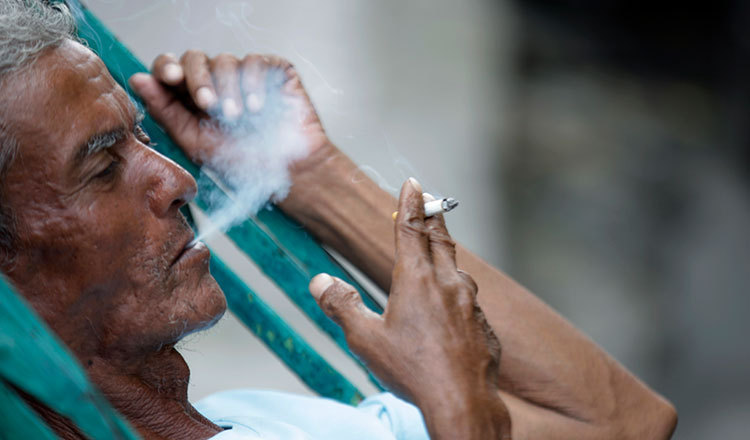
According to a report from the Spanish media outlet AlbaSet Forum on December 23, the new central government of Spain is preparing to impose new restrictions on smokers. The proposal comes from the newly appointed Health Minister, Monica García, who hopes to further limit where smokers can smoke in Spain, in line with Salvador Illa's smoking ban plan proposed in 2021.
The Ministry of Health plans to expand smoke-free areas, including bars, terraces, beaches, and private cars with minors or pregnant women on board. This policy has received high praise from health professionals and scientific societies who have long been committed to preventing adolescents from starting smoking and using other dangerous products such as e-cigarettes and hookahs. They are calling for the extension of smoke-free areas to restaurant terraces and outdoor sports or performance venues. This requirement also aims to avoid harm from secondhand smoke for non-smokers who come into close proximity with smokers in these places.
Dr. Susana Morena, Head of the Spanish Tobacco Research Group, appreciatively states that the newly appointed Minister of Health plans to take necessary measures to safeguard the health of the majority of non-smokers currently in Spain, which is a "highly positive" approach.
Meanwhile, Dr. Pedro Taraga, the medical coordinator of 5A Health Center in Spain, also expressed support, but he pointed out that the plan may not be thorough enough, as tobacco consumption has increased in recent years. "The proportion of smokers has risen and currently stands at around 38-39%.
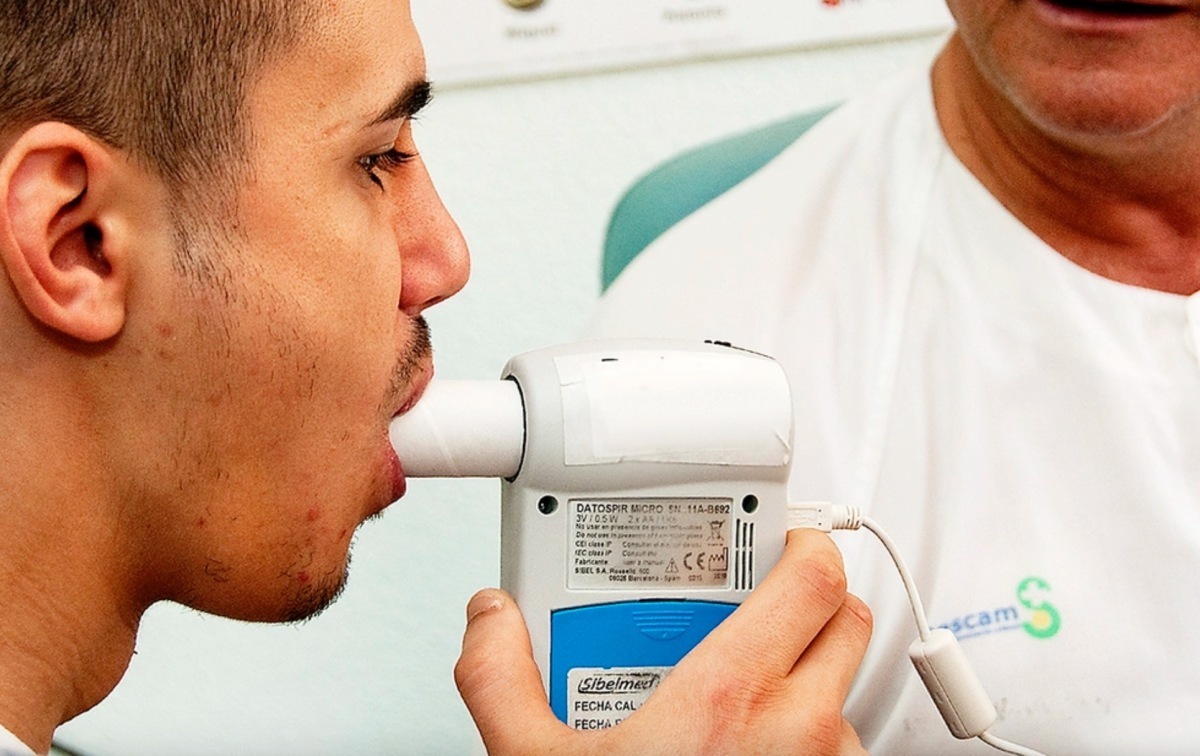
Dr. Raúl Godoy, a pulmonologist at a hospital in the Autonomous Community of Albacete and also the president of the Castilla-La Mancha Respiratory Disease Pathology Society, has deemed this development as a highly significant step. According to Dr. Godoy, "We pulmonologists have been working hard to strengthen anti-tobacco laws and prohibit smoking in outdoor spaces as a way to set an example for underage individuals and discourage them from starting smoking. The current situation is different from when smoking was banned in bars and restaurants, as there was a considerable amount of opposition back then. However, now the public will perceive these smoking bans as reasonable.
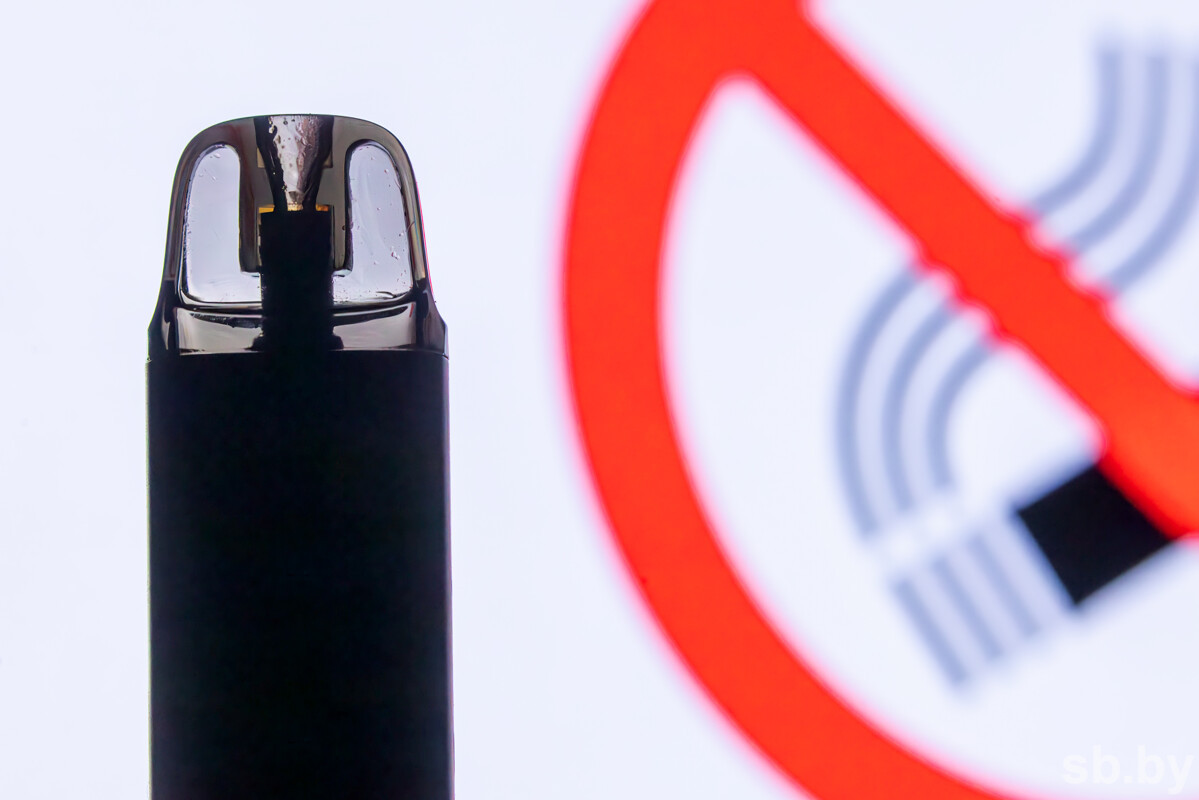
The report also mentions that doctors are optimistic about strengthening regulations on e-cigarettes, hoping that they will be on par with tobacco restrictions. This is because it has now been clearly proven that e-cigarettes are harmful and highly dangerous to teenagers, especially when they start using these devices without recognizing the harm they can cause.
We welcome news tips, article submissions, interview requests, or comments on this piece.
Please contact us at info@2firsts.com, or reach out to Alan Zhao, CEO of 2Firsts, on LinkedIn
Notice
1. This article is intended solely for professional research purposes related to industry, technology, and policy. Any references to brands or products are made purely for objective description and do not constitute any form of endorsement, recommendation, or promotion by 2Firsts.
2. The use of nicotine-containing products — including, but not limited to, cigarettes, e-cigarettes, nicotine pouchand heated tobacco products — carries significant health risks. Users are responsible for complying with all applicable laws and regulations in their respective jurisdictions.
3. This article is not intended to serve as the basis for any investment decisions or financial advice. 2Firsts assumes no direct or indirect liability for any inaccuracies or errors in the content.
4. Access to this article is strictly prohibited for individuals below the legal age in their jurisdiction.
Copyright
This article is either an original work created by 2Firsts or a reproduction from third-party sources with proper attribution. All copyrights and usage rights belong to 2Firsts or the original content provider. Unauthorized reproduction, distribution, or any other form of unauthorized use by any individual or organization is strictly prohibited. Violators will be held legally accountable.
For copyright-related inquiries, please contact: info@2firsts.com
AI Assistance Disclaimer
This article may have been enhanced using AI tools to improve translation and editorial efficiency. However, due to technical limitations, inaccuracies may occur. Readers are encouraged to refer to the cited sources for the most accurate information.
We welcome any corrections or feedback. Please contact us at: info@2firsts.com