Key Points:
·Major measures: Ban on the sale of disposable e-cigarettes, prohibition of advertising, promotions, and online marketing.
·Policy objectives: Addressing the increasing smoking rate among young people and electronic waste pollution.
·Expert recommendations: Strengthening taxes, limiting sales points, providing smoking cessation support, and implementing recycling mechanisms.
·Industry dynamics: Large-scale clearance sales appeared before the ban, experts criticized the "moral deficiency."
·Potential risks: Concerns about the expansion of the black market and inadequate environmental protection measures.
·Implementation challenges: The effectiveness of the policy will be largely dependent on the level of regulatory enforcement, especially in terms of youth protection and environmental governance.
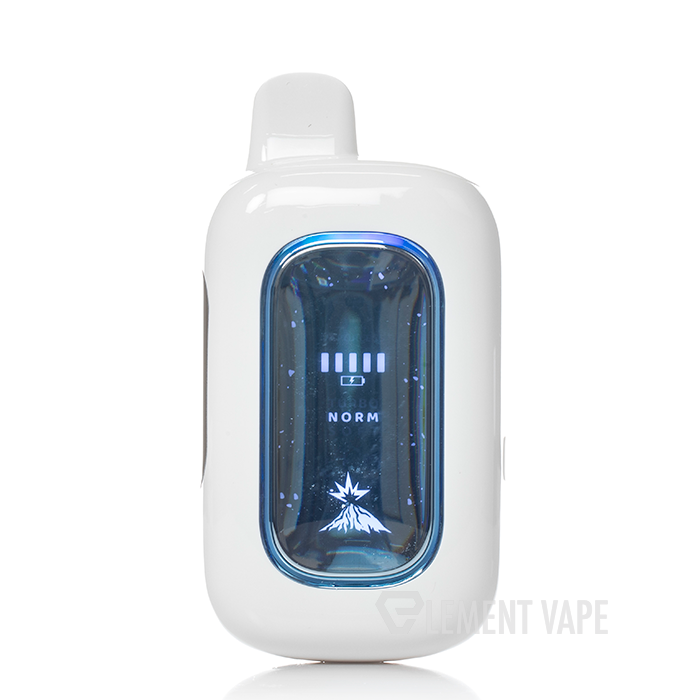
According to a report from the Chinese Pioneer website on June 16, starting on June 17, New Zealand officially banned the sale of disposable e-cigarettes and implemented a series of restrictive new regulations, including banning advertising, membership marketing, and discount prices. This policy aims to curb the increasing rate of youth e-cigarette use and reduce environmental pollution.
Public health experts widely support this measure, believing that banning disposable products will help reduce adolescent e-cigarette addiction. Dr. Jude Ball from the University of Otago points out:
"Banning e-cigarettes is a crucial step in reducing youth vaping and helping smokers quit by removing triggers."
She and the research group ASPIRE emphasize that simply relying on bans is far from enough. It also requires imposing consumption taxes, restricting sales outlets near schools, providing smoking cessation support for adolescents, and increasing law enforcement efforts.
Professor Chris Bullen from the University of Auckland pointed out that the practice of heavily discounting disposable e-cigarettes before the ban takes effect is "highly unethical," as it may encourage more young people to stock up on them due to the low prices.
According to new regulations that will soon be implemented, e-cigarettes will no longer be allowed to be sold at a discounted price, and they cannot be promoted to customers through mail or online channels.
However, before the ban took effect, Star Times found that many retailers were significantly discounting their products, including offering "buy one, get one free" deals, setting up countdown zones, and promoting through emails. The Vuse website even repeatedly emphasized "buy at a low price, buy at a low price" as a final opportunity. While these practices are not illegal, they reveal that the industry's motivation is more about expanding their customer base rather than assisting in smoking cessation.
Calvin Cochran, from the anti-smoking advocacy group Vape Free Kids, points out that the e-cigarette industry was initially marketed as a tool to help people quit smoking, but in reality has employed tactics such as mass marketing, promotions, and SEO marketing to attract users, especially young people. Cochran stated:
"Advertising restrictions may have a more direct impact than product bans, but the industry will always find ways to circumvent regulation."
Jonathan Devery, chairman of the New Zealand e-cigarette industry association, expressed understanding but warned of the need to be vigilant against the expansion of the black market. He noted that Australia already has a black market for e-cigarettes worth approximately 20 billion New Zealand dollars (12 billion US dollars), and many illegal brands have also made their way into New Zealand. He urged the government to allocate sufficient resources for enforcement after the ban to ensure compliance, otherwise leaving room for unauthorized sales.He said:
"We do not oppose the ban, but it needs to be accompanied by regulation. E-cigarette retailers pay high regulatory fees to the Ministry of Health every year and should have a strong enforcement mechanism to ensure their protection."
From an environmental perspective, experts are concerned that banning disposable e-cigarettes may also bring about new waste issues. Since these products mostly contain batteries and electronic components, if not properly disposed of, they may end up in landfills or even on the streets. Professor Bren, who conducted a study on CBD streets, stated that they found a large amount of e-cigarette waste. He believes that current policies still overlook the environmental dimension.
In response, Deville suggests expanding the recycling system for rechargeable devices, implementing a manufacturer scrapping responsibility system, and educating consumers on proper disposal of pods and batteries. He believes transitioning to e-cigarette products with child locks and removable batteries is a direction to enhance environmental and safety standards.
Deputy Minister of Health Casey Costello stated that banning disposable e-cigarettes will effectively reduce youth usage rates and minimize waste at the source.
"We have communicated extensively with retailers and provided notice of regulatory changes six months in advance. Consumers are unlikely to engage in long-term hoarding due to promotions."
Currently, although the teenage e-cigarette use rate in New Zealand has slightly decreased, 9% of 10th grade students still use e-cigarettes daily. Experts believe that the ability to continue to curb this phenomenon will depend on the government's enforcement of new regulations and the rigor of subsequent monitoring.
We welcome news tips, article submissions, interview requests, or comments on this piece.
Please contact us at info@2firsts.com, or reach out to Alan Zhao, CEO of 2Firsts, on LinkedIn
Notice
1. This article is intended solely for professional research purposes related to industry, technology, and policy. Any references to brands or products are made purely for objective description and do not constitute any form of endorsement, recommendation, or promotion by 2Firsts.
2. The use of nicotine-containing products — including, but not limited to, cigarettes, e-cigarettes, nicotine pouchand heated tobacco products — carries significant health risks. Users are responsible for complying with all applicable laws and regulations in their respective jurisdictions.
3. This article is not intended to serve as the basis for any investment decisions or financial advice. 2Firsts assumes no direct or indirect liability for any inaccuracies or errors in the content.
4. Access to this article is strictly prohibited for individuals below the legal age in their jurisdiction.
Copyright
This article is either an original work created by 2Firsts or a reproduction from third-party sources with proper attribution. All copyrights and usage rights belong to 2Firsts or the original content provider. Unauthorized reproduction, distribution, or any other form of unauthorized use by any individual or organization is strictly prohibited. Violators will be held legally accountable.
For copyright-related inquiries, please contact: info@2firsts.com
AI Assistance Disclaimer
This article may have been enhanced using AI tools to improve translation and editorial efficiency. However, due to technical limitations, inaccuracies may occur. Readers are encouraged to refer to the cited sources for the most accurate information.
We welcome any corrections or feedback. Please contact us at: info@2firsts.com