Key Points
- North Carolina added a $1,000 tax on vape shops.
- Retailers must verify customers are at least 21.
- Vape shop operators expect higher compliance costs.
- Some retailers already enforced 21+ policies voluntarily.
- Advocates are calling for broader nicotine product regulation.
2Firsts
July 8, 2026
North Carolina’s newly passed fiscal year 2026-27 state budget introduces additional regulations for vape retailers, including a dedicated shop tax and mandatory age verification requirements.
Vape Shops Face New $1,000 Tax
The new budget includes a $1,000 tax on vape shops operating in North Carolina.
Local vape retailer Jeremy Ridgeway said the additional tax would increase operating costs and could eventually affect consumers through higher prices.
However, he said businesses would comply with reasonable regulatory requirements imposed by the state.
Retailers Must Verify Customers Are 21 or Older
The new rules also require vape shops to verify that customers are at least 21 years old.
Ridgeway said his store had already implemented a 21+ policy since 2018, but noted that some retailers have not followed the same standard.
He said stronger enforcement could help legitimize the industry and prevent youth access to nicotine products.
Debate Expands Beyond Vape Products
While the new budget language focuses on vape retailers, some advocates are calling for broader regulation covering additional nicotine products.
Student advocate Will Hopper said regulation should also include cigarettes, cigars, cigarillos and nicotine pouches.
He supports “Solly’s Law,” a proposal that would raise tobacco sales requirements and require tobacco retail permits.
Industry Impact and Outlook
North Carolina’s new measures reflect a broader shift in U.S. state-level vaping regulation from product restrictions toward retail compliance management.
While earlier regulatory debates focused largely on product authorization, flavors and youth protection, states are increasingly adding requirements related to retailer licensing, taxes and age verification.
For vape retailers, the new rules may increase operating costs through additional taxes, compliance systems and employee training requirements. Smaller operators may face greater pressure as regulatory obligations expand.
The North Carolina case highlights a growing trend of stricter retail oversight in the U.S. vaping market. Whether more states adopt similar approaches will be an important factor shaping the future of vape distribution channels.
Follow 2Firsts for the latest updates on global tobacco harm reduction, nicotine products and regulatory developments.
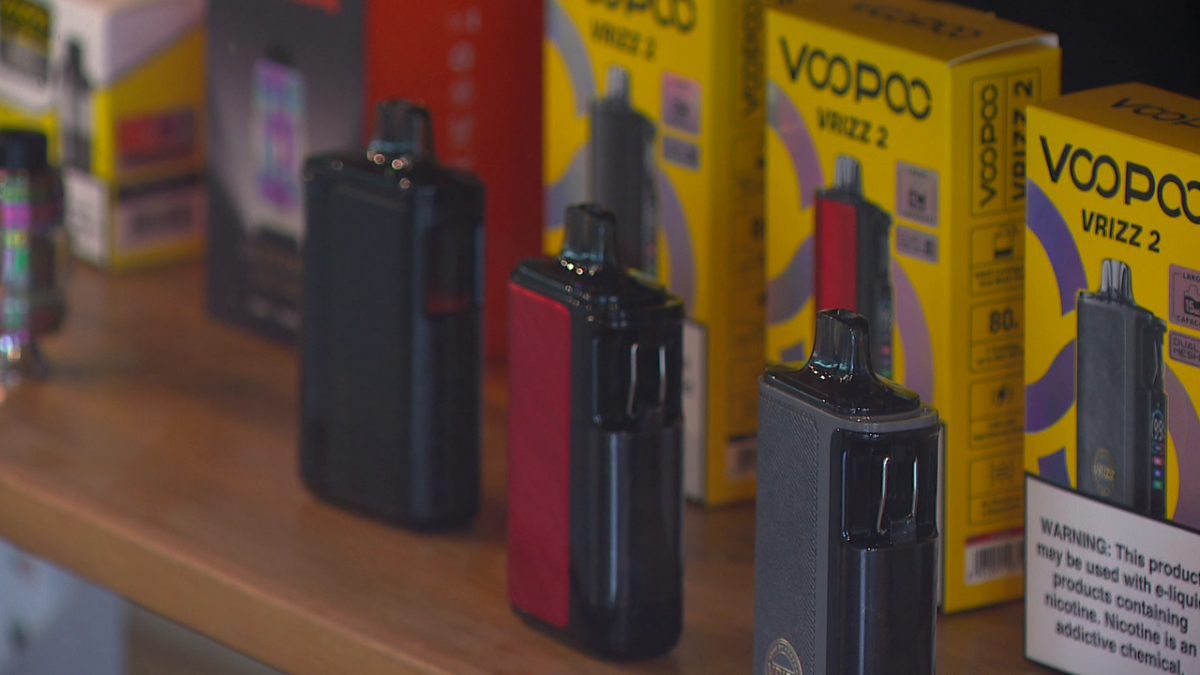
Ccover Image source: WLOS
Disclaimer
This article is provided solely for professional research, industry discussion, and informational purposes. Any references to brands, companies, products, technologies, or policies are made for factual reporting and analytical purposes only, and do not constitute endorsement, recommendation, promotion, or advertising by 2Firsts.
Nicotine-containing products, including but not limited to cigarettes, e-cigarettes, heated tobacco products, and nicotine pouches, carry significant health risks. Readers are responsible for complying with all applicable laws and regulations in their respective jurisdictions, including age restrictions and access limitations.
The information contained in this article should not be regarded as investment, legal, medical, regulatory, or commercial advice. While 2Firsts strives to ensure the accuracy and reliability of its content, it does not assume liability for any direct or indirect loss arising from errors, omissions, inaccuracies, or reliance on the information contained herein.
This article is not intended for individuals below the legal age for accessing tobacco or nicotine-related information in their jurisdiction.
Copyright Notice
This article is either original content produced by 2Firsts or content reproduced, translated, summarized, or adapted from third-party sources with attribution where applicable. The intellectual property rights of the original content remain with 2Firsts or the respective original rights holders.
No individual or organization may copy, reproduce, distribute, republish, modify, translate, or otherwise use this content without prior authorization. Any unauthorized use may result in legal action.
For copyright-related inquiries, corrections, or removal requests, please contact: info@2firsts.com.
AI-Assisted Translation and Editing Notice
Portions of this article may have been translated, edited, or reviewed with the assistance of artificial intelligence tools to improve efficiency and readability. Due to the limitations of AI-assisted translation and editing, discrepancies, omissions, or inaccuracies may exist when compared with the original source.
Where applicable, readers are advised to refer to the original source for the most complete and accurate information. If you identify any errors or believe that any content infringes upon your rights, please contact us at info@2firsts.com, and we will review and address the matter promptly.