Key Points
- Youth disposable use falls to 13%;
- Adult rate drops to 8%;
- Ban marks one year;
- Illicit vape concerns persist;
- Enforcement remains critical
2Firsts
June 9, 2026
One year after the UK’s disposable vape ban took effect, new survey findings suggest the policy has significantly reshaped the market and reduced reliance on disposable products, particularly among young people.
According to a YouGov survey commissioned by Action on Smoking and Health (ASH), the proportion of youth vapers aged 11-17 who primarily use disposable vapes fell from 69% in 2023 to 13% in 2026. Among adult vapers, the corresponding figure declined from 31% to 8%.
The data indicate that disposable vape use had already been declining before the ban took effect, with the legislation accelerating the shift toward refillable devices, prefilled pod systems and other nicotine alternatives.
Public health advocates said the results suggest the UK’s efforts to address youth vaping are having a measurable impact.
Beyond public health, the disposable vape ban has also been promoted as a measure to reduce electronic waste. Environmental groups have long raised concerns about the disposal of lithium batteries and electronic components contained in single-use vape products.
However, the ban has not eliminated market risks.
Industry surveys cited by multiple media outlets suggest that illicit vape products remain widely available across the UK. Some consumers have reportedly shifted to products that do not comply with UK regulations, including oversized devices, unregistered products and products of uncertain origin.
Survey findings indicate that roughly one-third of vape users have encountered or purchased illicit vape products.
Industry stakeholders warned that insufficient enforcement could undermine the effectiveness of the ban and create new risks for public health and consumer safety.
Analysts said the UK’s disposable vape ban has delivered measurable results during its first year, particularly in reducing youth use. However, balancing tobacco control goals, harm reduction strategies and market regulation will remain a key challenge for policymakers.
For regulators worldwide, the UK experience provides an important case study: restrictive measures can reduce product uptake, but effective enforcement is essential to prevent the expansion of illicit markets.
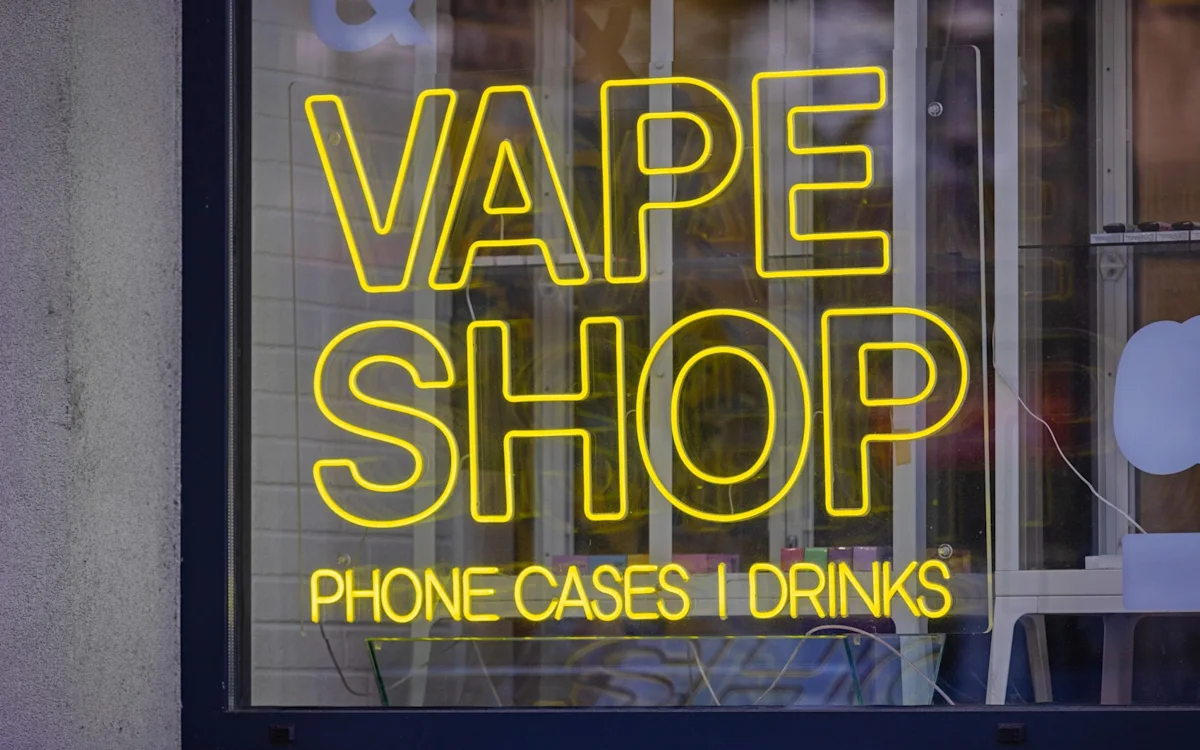
Cover image:The Telegraph
Disclaimer
This article is provided solely for professional research, industry discussion, and informational purposes. Any references to brands, companies, products, technologies, or policies are made for factual reporting and analytical purposes only, and do not constitute endorsement, recommendation, promotion, or advertising by 2Firsts.
Nicotine-containing products, including but not limited to cigarettes, e-cigarettes, heated tobacco products, and nicotine pouches, carry significant health risks. Readers are responsible for complying with all applicable laws and regulations in their respective jurisdictions, including age restrictions and access limitations.
The information contained in this article should not be regarded as investment, legal, medical, regulatory, or commercial advice. While 2Firsts strives to ensure the accuracy and reliability of its content, it does not assume liability for any direct or indirect loss arising from errors, omissions, inaccuracies, or reliance on the information contained herein.
This article is not intended for individuals below the legal age for accessing tobacco or nicotine-related information in their jurisdiction.
Copyright Notice
This article is either original content produced by 2Firsts or content reproduced, translated, summarized, or adapted from third-party sources with attribution where applicable. The intellectual property rights of the original content remain with 2Firsts or the respective original rights holders.
No individual or organization may copy, reproduce, distribute, republish, modify, translate, or otherwise use this content without prior authorization. Any unauthorized use may result in legal action.
For copyright-related inquiries, corrections, or removal requests, please contact: info@2firsts.com.
AI-Assisted Translation and Editing Notice
Portions of this article may have been translated, edited, or reviewed with the assistance of artificial intelligence tools to improve efficiency and readability. Due to the limitations of AI-assisted translation and editing, discrepancies, omissions, or inaccuracies may exist when compared with the original source.
Where applicable, readers are advised to refer to the original source for the most complete and accurate information. If you identify any errors or believe that any content infringes upon your rights, please contact us at info@2firsts.com, and we will review and address the matter promptly.