PMI Launches ZYN Nicotine Pouches in Guatemala, Marking First Entry in Central America

Jul.07.2025
PMI Launches ZYN Nicotine Pouches in Guatemala, Marking First Entry in Central America
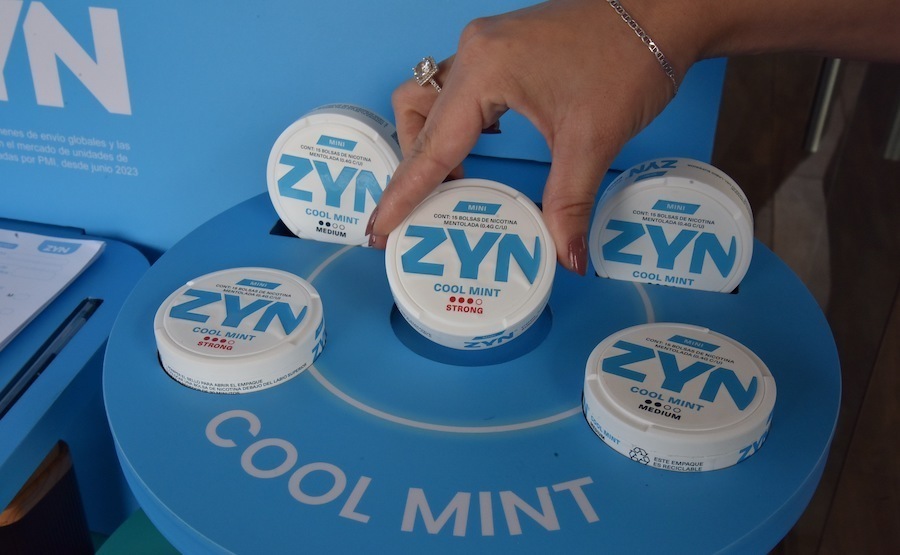
Philip Morris International (PMI) has launched ZYN nicotine pouches in Guatemala, offering a lower-risk alternative to smoking and accelerating progress toward a smoke-free future. Developed by a Swedish company, the product reduces the emission of harmful chemicals and is targeted at adult smokers.

Key Points:


·Philip Morris International (PMI) announced the launch of ZYN nicotine pouches in the Guatemalan market, providing a low-risk smoking alternative for adult smokers. 


·Developed by Swedish Match, ZYN products significantly reduce the emission of harmful chemicals. 


·Data shows that less than 10% of adult smokers successfully quit smoking. 


[2Firsts News Flash] According to a report by La Prensa de Occidente on July 3, Philip Morris International (PMI) announced the launch of its ZYN nicotine pouch product in the Guatemalan market. 


PMI channel manager Corina Díaz explained that ZYN, as a nicotine-containing pouch, can be placed between the lips and gums for up to 30 minutes before being removed and discarded. While this product is not without risk as it still contains the addictive substance nicotine, the risk of exposure is significantly lower compared to smoking. 


PMI external affairs manager Ayleen Rodríguez emphasized that ZYN is not designed for minors or non-smokers, and all products adhere to strict responsible business operation standards.


PMI stated that ZYN is the top global brand of nicotine pouches, and Guatemala is the first country in Central America to sell this product.


According to publicly available information, Central America is a narrow strip of land connecting South America and North America, including eight countries: Mexico, Guatemala, Belize, El Salvador, Honduras, Nicaragua, Costa Rica, and Panama.


We welcome news tips, article submissions, interview requests, or comments on this piece.

Please contact us at info@2firsts.com, or reach out to Alan Zhao, CEO of 2Firsts, on LinkedIn


Notice

1.  This article is intended solely for professional research purposes related to industry, technology, and policy. Any references to brands or products are made purely for objective description and do not constitute any form of endorsement, recommendation, or promotion by 2Firsts.

2.  The use of nicotine-containing products — including, but not limited to, cigarettes, e-cigarettes, nicotine pouchand heated tobacco products — carries significant health risks. Users are responsible for complying with all applicable laws and regulations in their respective jurisdictions.

3.  This article is not intended to serve as the basis for any investment decisions or financial advice. 2Firsts assumes no direct or indirect liability for any inaccuracies or errors in the content.

4.  Access to this article is strictly prohibited for individuals below the legal age in their jurisdiction.


Copyright


This article is either an original work created by 2Firsts or a reproduction from third-party sources with proper attribution. All copyrights and usage rights belong to 2Firsts or the original content provider. Unauthorized reproduction, distribution, or any other form of unauthorized use by any individual or organization is strictly prohibited. Violators will be held legally accountable.

For copyright-related inquiries, please contact: info@2firsts.com


AI Assistance Disclaimer


This article may have been enhanced using AI tools to improve translation and editorial efficiency. However, due to technical limitations, inaccuracies may occur. Readers are encouraged to refer to the cited sources for the most accurate information.

We welcome any corrections or feedback. Please contact us at: info@2firsts.com

The new regulations on nicotine in Argentina are creating caution, expectations, and doubts about the market, according to a local reference in harm reduction for smoking.
The new Argentine framework for tobacco and nicotine marks a shift from prohibition towards registration, traceability, and health surveillance. Juan Facundo Teme told 2Firsts that adult consumers and some of the commercial sector are cautiously optimistic, although concerns remain about flavors, registration costs, and market access.
May.11
Scandinavian Tobacco Group to Hold Annual General Meeting on April 15
Scandinavian Tobacco Group A/S has issued notice of its annual general meeting, which will be held on April 15, 2026 at 4:30 p.m. in Copenhagen and will also be available by live webcast.
Mar.25 by 2FIRSTS.ai
Japan to Raise Heated Tobacco Prices From April; BAT Japan Keeps Prices Unchanged for 38 glo Tobacco Stick Products
Japan will implement price increases centered on heated tobacco products from April 1, 2026, following a tobacco tax hike. BAT Japan has decided to keep current prices unchanged for 38 glo-compatible tobacco stick products across the Velo, neo, Lucky Strike, and Kent lines.
Mar.30 by 2FIRSTS.ai
West Virginia Bill Would Direct USD 2.9 Million of Juul Settlement to Youth Tobacco and Vaping Prevention
A bill completed during West Virginia’s 2026 regular legislative session would make a one-time allocation of USD 2.9 million from the state’s USD 7.9 million settlement with Juul to youth tobacco prevention and cessation programs.
Mar.19 by 2FIRSTS.ai
Turkey’s New Tobacco Bill Draft Would Cover E-Cigarettes and Heated Tobacco Products
A Turkey’s draft would impose major limits on the use of tobacco products in public buildings, educational and healthcare institutions, children’s areas, and outdoor events, while setting a 2040 target for a complete ban on the production, sale, and consumption of tobacco products. The draft also broadens the definition of tobacco products to include e-cigarettes, heated tobacco products, and all nicotine-containing systems.
Apr.13 by 2FIRSTS.ai
UK Retailers Call on Government to Better Resource Trading Standards to Fight Illicit Tobacco and Vape Trade
Retailers in the UK have called on the government to provide greater resources to Trading Standards in response to the growing trade in illicit tobacco and vapes. Fed national vice-president Hemanshu Patel made the call during a panel discussion at the National Convenience Show in Birmingham on April 15.
Apr.21 by 2FIRSTS.ai