Proposal to criminalize e-cigarette sales, import, and advertising in Brazil

Feb.12.2025
Proposal to criminalize e-cigarette sales, import, and advertising in Brazil
Proposal to criminalize e-cigarette sales, imports, and advertising in Brazil under review in Congress, led by Gisela Simona.

According to Só Notícias on February 11th, a proposal aimed at making the sale, import, and advertising of e-cigarettes a criminal offense is currently under review in the Brazilian Chamber of Deputies.


The bill was proposed by lawmaker Gisela Simona of Mato Grosso state. The bill stipulates that selling, importing e-cigarettes, or advertising related products without registration from Brazil's National Health Surveillance Agency (Anvisa) could result in imprisonment for two to four years and fines.


The bill also establishes the same penalty measures for e-cigarette accessories and replacement parts. If the target group is minors, the sentence will be increased to four to eight years, along with a fine.


The proposal also stipulates that Anvisa will only grant registration to e-cigarette products if applicants can prove through toxicological studies and specific scientific tests that the products are not harmful to health or the environment.


Congresswoman Jisela Simona emphasized that Anvisa has already prohibited the sale of e-cigarettes, but the actual enforcement and regulation are clearly insufficient.


The proposal is currently under review along with another similar bill. It must first pass a vote in the Constitutional and Judicial Committee before it can proceed to further discussions in the full assembly.


We welcome news tips, article submissions, interview requests, or comments on this piece.

Please contact us at info@2firsts.com, or reach out to Alan Zhao, CEO of 2Firsts, on LinkedIn


Notice

1.  This article is intended solely for professional research purposes related to industry, technology, and policy. Any references to brands or products are made purely for objective description and do not constitute any form of endorsement, recommendation, or promotion by 2Firsts.

2.  The use of nicotine-containing products — including, but not limited to, cigarettes, e-cigarettes, nicotine pouchand heated tobacco products — carries significant health risks. Users are responsible for complying with all applicable laws and regulations in their respective jurisdictions.

3.  This article is not intended to serve as the basis for any investment decisions or financial advice. 2Firsts assumes no direct or indirect liability for any inaccuracies or errors in the content.

4.  Access to this article is strictly prohibited for individuals below the legal age in their jurisdiction.


Copyright


This article is either an original work created by 2Firsts or a reproduction from third-party sources with proper attribution. All copyrights and usage rights belong to 2Firsts or the original content provider. Unauthorized reproduction, distribution, or any other form of unauthorized use by any individual or organization is strictly prohibited. Violators will be held legally accountable.

For copyright-related inquiries, please contact: info@2firsts.com


AI Assistance Disclaimer


This article may have been enhanced using AI tools to improve translation and editorial efficiency. However, due to technical limitations, inaccuracies may occur. Readers are encouraged to refer to the cited sources for the most accurate information.

We welcome any corrections or feedback. Please contact us at: info@2firsts.com

As Regulators Focus on Nicotine Pouch Child Safety, Safeguard Pursues an External Packaging Route
As regulators pay closer attention to child safety in nicotine pouches, manufacturers face a practical challenge: how to strengthen child-resistant packaging without unnecessarily reworking products, production lines and regulatory submissions already in place. In a written interview with 2Firsts, Chemular detailed Safeguard’s external packaging approach, its customer-specific testing requirements and possible PMTA pathways. The model remains early-stage, but it offers a new way to think about an increasingly important regulatory and manufacturing issue.
Industry Insight
Sep.19
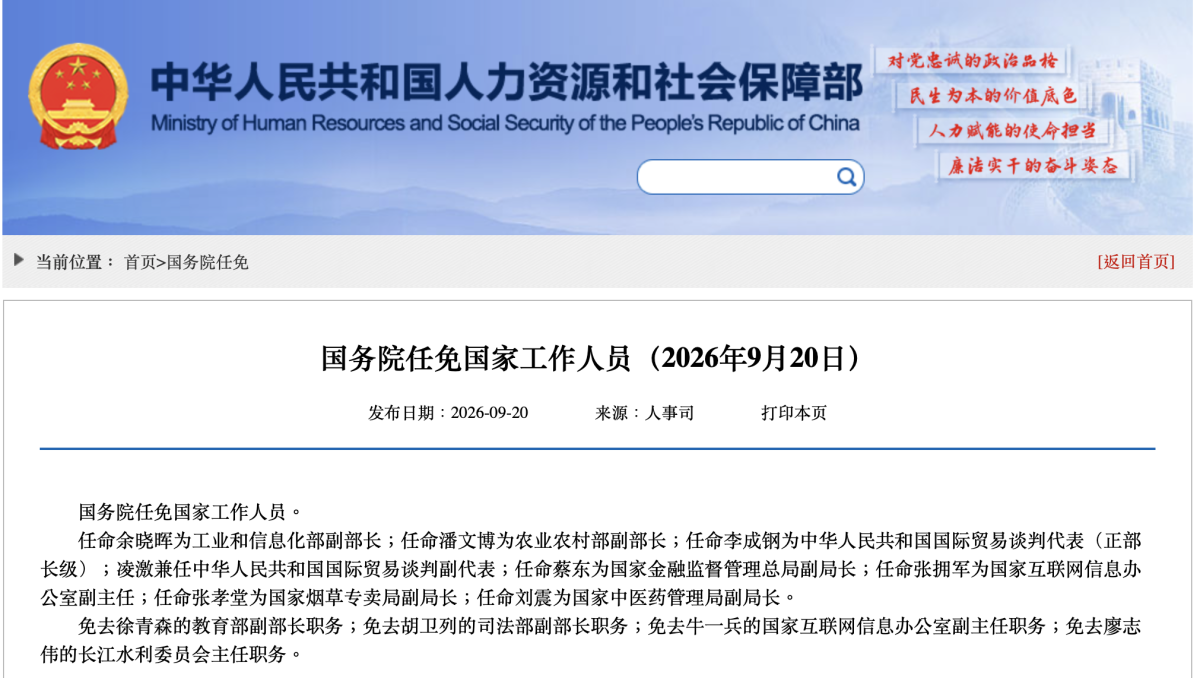
Zhang Xiaotang Appointed Deputy Director of China’s Tobacco Regulator, Adding Another Finance-Background Official to Top Leadership
China’s State Council has appointed Zhang Xiaotang as deputy director of the State Tobacco Monopoly Administration, with the regulator’s official website now listing him as a Party leadership group member and deputy director. Zhang previously led Hebei China Tobacco and earlier headed the STMA’s finance and audit department. His appointment follows the elevation earlier this year of former tax official Yao Laiying to head the STMA, adding another senior official with a strong fiscal or financial-management background to China Tobacco’s top leadership in 2026.
News
Sep.20
Ispire Q4 Revenue Rebounds 33% but Full-Year Sales Still Fall 25% as FY2027 Focus Shifts to Malaysia Manufacturing, ODM, Nicotine Pouches and Age Verification
Ispire Technology reported FY2026 revenue of about $96 million, down 24.7% year over year, as U.S. cannabis-vapor hardware and European e-cigarette sales declined by $17.4 million and $12.7 million, respectively. Fourth-quarter revenue rose 32.5% to $26.7 million, while quarterly gross margin fell to 6.3%. For FY2027, the company is prioritizing Malaysia manufacturing and vapor ODM while continuing to develop nicotine pouches, IKE Tech age-verification technology and G-Mesh licensing. Ispire has not separately disclosed the revenue or profit contribution of those newer businesses.
Regulations
Sep.17 by 2Firsts Perspectives
NATO Executive Director David Spross Sees U.S. Vape Regulation Improving, Calls for More PMTA Authorizations and Warns of 2027 State Tax Pressure
The National Association of Tobacco Outlets is calling for more FDA marketing authorizations, greater transparency in the PMTA process and continued enforcement against unauthorized e-cigarettes, even as its executive director, David Spross, points to recent regulatory developments as signs of progress. At the state level, excise taxes, flavor restrictions and vapor product directories remain major issues for tobacco retailers. By August 2026, 17 states had enacted laws establishing state-managed e-cigarette directories or similar systems.
Innovation
Sep.29 by 2Firsts Perspectives
From Product Innovation to Integrated Solutions: NEXTECH Expands Its Global Heated Tobacco Solutions
NEXTECH launched its NEXE Pro circumferential-heating tobacco stick globally at InterTabac 2026, as the company expands from product innovation into broader heated tobacco solutions. Amid intensifying competition across global HTP markets, NEXTECH is strengthening its R&D, manufacturing and pre-launch support capabilities to serve different types of business customers.
Industry Insight
Sep.15
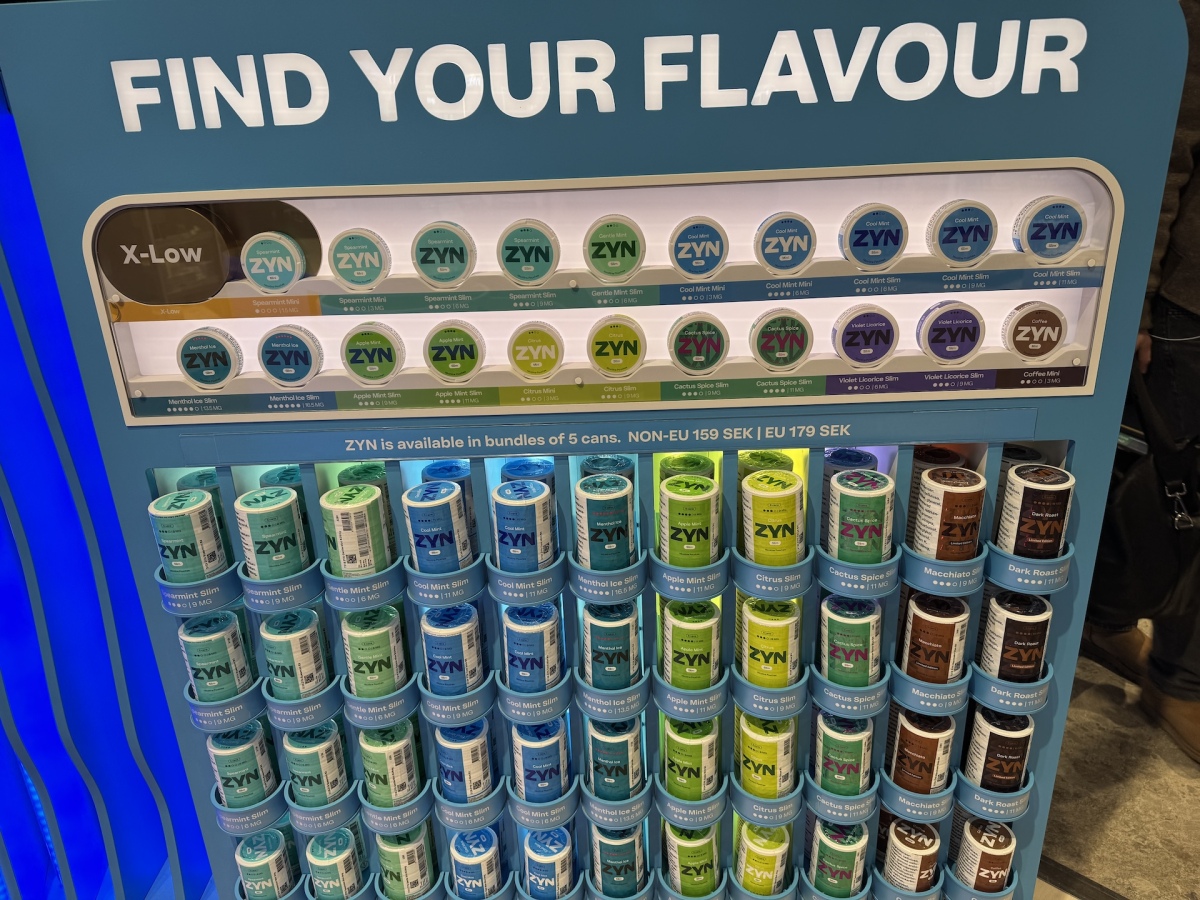
Sweden Finds ZYN Ingredient Labels Noncompliant Over Generic Flavoring Disclosure, Swedish Match Faces SEK 2 Million Monthly Penalty
Sweden's Public Health Agency has found ingredient labels on ZYN nicotine pouches sold by Philip Morris International subsidiary Swedish Match to be noncompliant, according to Dagens industri. The products' packaging listed 10 to 13 ingredients, compared with 11 to 42 in regulatory submissions, with multiple flavoring ingredients grouped under the generic term "aromer." The agency ordered corrective action, warning of a conditional penalty of SEK 2 million per month for noncompliance. The order applies only to products manufactured after the decision becomes legally effective and does not require recalls. Swedish Match disputes the agency's interpretation and plans to appeal.
PMI
Oct.22