Key Points:
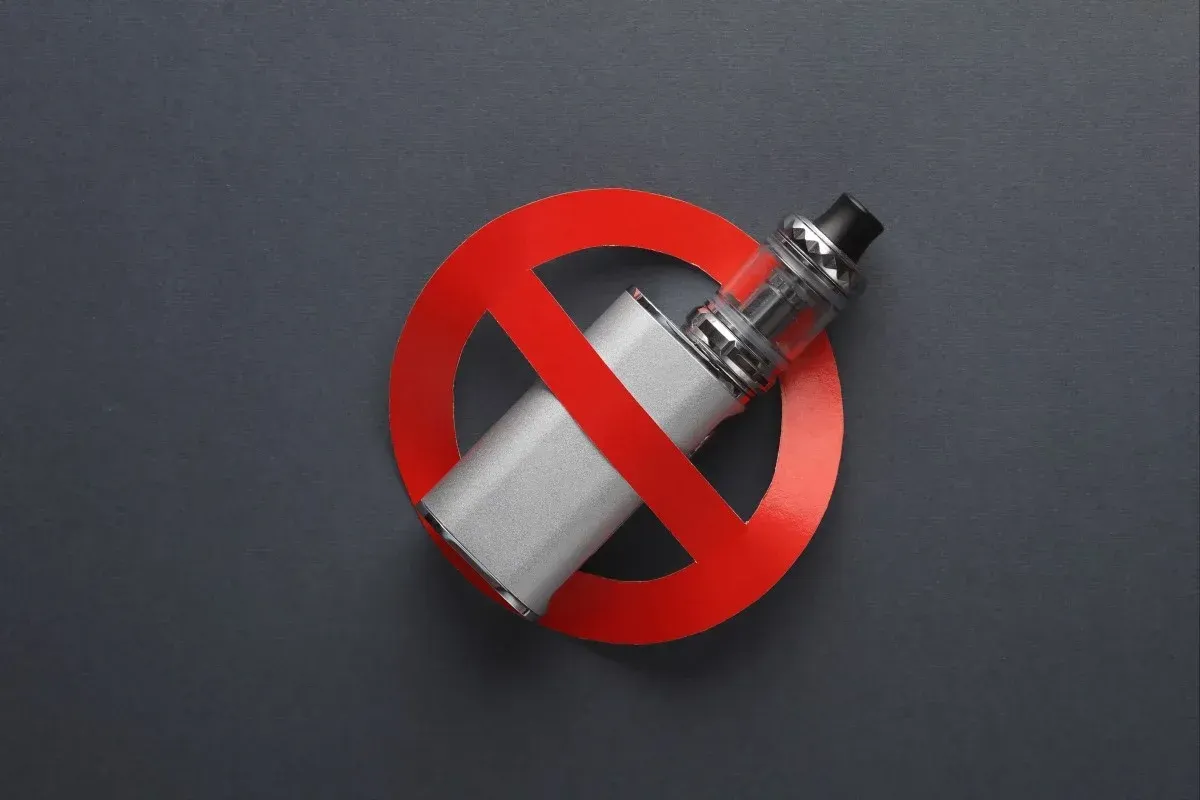
·Control upgrade: Singapore's Ministry of Health announced that the anesthetic propofol found in e-cigarettes will be classified as a Class C controlled substance under the Misuse of Drugs Act.
·Hazard data: 33% of e-cigarettes tested contain this substance, and it has been linked to multiple cases of non-natural deaths.
·Punitive measures: First-time offenders will be required to undergo compulsory rehabilitation treatment and be supervised in drug rehabilitation centers. Repeat offenders face a minimum of 1 year in prison.
·Interdepartmental action: The Central Narcotics Bureau, the Environmental Protection Agency, and more than 10 other agencies are collaborating in enforcement efforts, with a focus on monitoring campuses as key areas for prevention and control.
【2Firsts News Flash】According to My News on July 20th, Singapore's Health Minister Ong Ye Kung announced on July 20th that the government is planning to classify the anesthetic propofol found in e-cigarettes as a Class C controlled substance under the Misuse of Drugs Act.
“The number of e-cigarettes containing ethyl methyl carbonate is increasing, which has sparked high concern from various agencies including the Ministry of Internal Affairs and the Ministry of Health.”
He expressed.
Authorities recently conducted random tests on over 100 e-cigarettes that were confiscated, and found that one third of them contained ethyl maltol.
Wang Yikang also pointed out that there have been some deaths related to the use of Mifepristone, including traffic accidents and unnatural death incidents. Investigations are still ongoing.
In Singapore, e-cigarettes are banned and regulated under the Tobacco (Control of Advertisements and Sale) Act. Nicotine, which is found in e-cigarettes, is currently a controlled substance under the Poisons Act.
“According to current laws, individuals using drug-laced pods may face fines, but these penalties will change when mitzethaine is included in the ‘Drug Abuse Act’.”
According to the bill, they will be treated equally with hard drug users such as marijuana or cocaine.
Wang Yikang stated.
This means they will be supervised, required to undergo mandatory rehabilitation treatment, and may be sent to a detox center. Repeat offenders will be prosecuted and may face at least one year of imprisonment.
We will take a few weeks to complete this process," the Minister of Health said, adding that listing mifepristone as a controlled substance is a "temporary measure".
Wang Yikang pointed out that although e-cigarettes were originally designed as a nicotine delivery device, they have now become a means of delivering a variety of substances from nicotine to psychoactive drugs such as methamphetamine and even hard drugs.
“In the face of this situation, it is necessary for various government agencies to come together and work collaboratively to combat it.”
Wang Yikang said. He added that in addition to the police and the Health Science Bureau, multiple agencies such as the National Park Administration, the National Environmental Protection Bureau, and the Road Traffic Administration have also been involved in the regulation of e-cigarettes.
“When e-cigarettes are seized, they will be handed over to the Department of Health for testing. If they only contain nicotine, we will handle it and impose fines. If there are more serious substances involved, other agencies will intervene. In the most severe drug-related cases, the Central Narcotics Bureau will be called in to investigate, so cooperation is needed.”
The Minister said.
Wang Yikang has warned that ingesting acetorphine through e-cigarettes could pose significant dangers, potentially leading to permanent organ damage and hallucinations.
When asked about the campus situation, Wang Yikang said:
“In a previous test, we tested e-cigarettes confiscated from schools and found no evidence of diacetyl. However, that was several months ago. In a recent random test of e-cigarettes confiscated from the public, one-third contained diacetyl, so I cannot assume that diacetyl has not made its way into schools.”
We welcome news tips, article submissions, interview requests, or comments on this piece.
Please contact us at info@2firsts.com, or reach out to Alan Zhao, CEO of 2Firsts, on LinkedIn
Notice
1. This article is intended solely for professional research purposes related to industry, technology, and policy. Any references to brands or products are made purely for objective description and do not constitute any form of endorsement, recommendation, or promotion by 2Firsts.
2. The use of nicotine-containing products — including, but not limited to, cigarettes, e-cigarettes, nicotine pouchand heated tobacco products — carries significant health risks. Users are responsible for complying with all applicable laws and regulations in their respective jurisdictions.
3. This article is not intended to serve as the basis for any investment decisions or financial advice. 2Firsts assumes no direct or indirect liability for any inaccuracies or errors in the content.
4. Access to this article is strictly prohibited for individuals below the legal age in their jurisdiction.
Copyright
This article is either an original work created by 2Firsts or a reproduction from third-party sources with proper attribution. All copyrights and usage rights belong to 2Firsts or the original content provider. Unauthorized reproduction, distribution, or any other form of unauthorized use by any individual or organization is strictly prohibited. Violators will be held legally accountable.
For copyright-related inquiries, please contact: info@2firsts.com
AI Assistance Disclaimer
This article may have been enhanced using AI tools to improve translation and editorial efficiency. However, due to technical limitations, inaccuracies may occur. Readers are encouraged to refer to the cited sources for the most accurate information.
We welcome any corrections or feedback. Please contact us at: info@2firsts.com