Key Takeaways
- Spain’s nicotine pouch sales reached 5 million cans of 20 units in 2025.
- The industry expects sales to rise 60% to 8 million cans in 2026.
- There are currently 20 to 30 nicotine pouch brands on the Spanish market.
- Spain’s Health Ministry is proposing to reduce nicotine content to 0.99 mg per pouch, which the industry says would “de facto” ban the category.
- Products currently sold contain 5 to 20 mg of nicotine per pouch, and the average retail price is about EUR 5 per can (approximately USD 5.80, based on 1 EUR = 1.16 USD).
2Firsts, March 19, 2026
According to Efeagro, Mónica Andrade, president of the Asociación de Bolsas de Nicotina (ABN), said nicotine pouch sales in Spain reached 5 million cans last year, with 20 units per can, and are expected to rise by 60% to 8 million in 2026.
Mónica Andrade said that between 20 and 30 brands in this category are currently sold in Spain. She described the category as still being in an early stage of development in the country, having started more than five years ago, initially focused mainly on tourist consumers, with Spanish consumers now also joining the market.
She said the expansion in nicotine pouch sales in Spain mainly took place between 2024 and 2025, and that her organisation wants this growth in demand to happen in a “responsible and regulated” way.
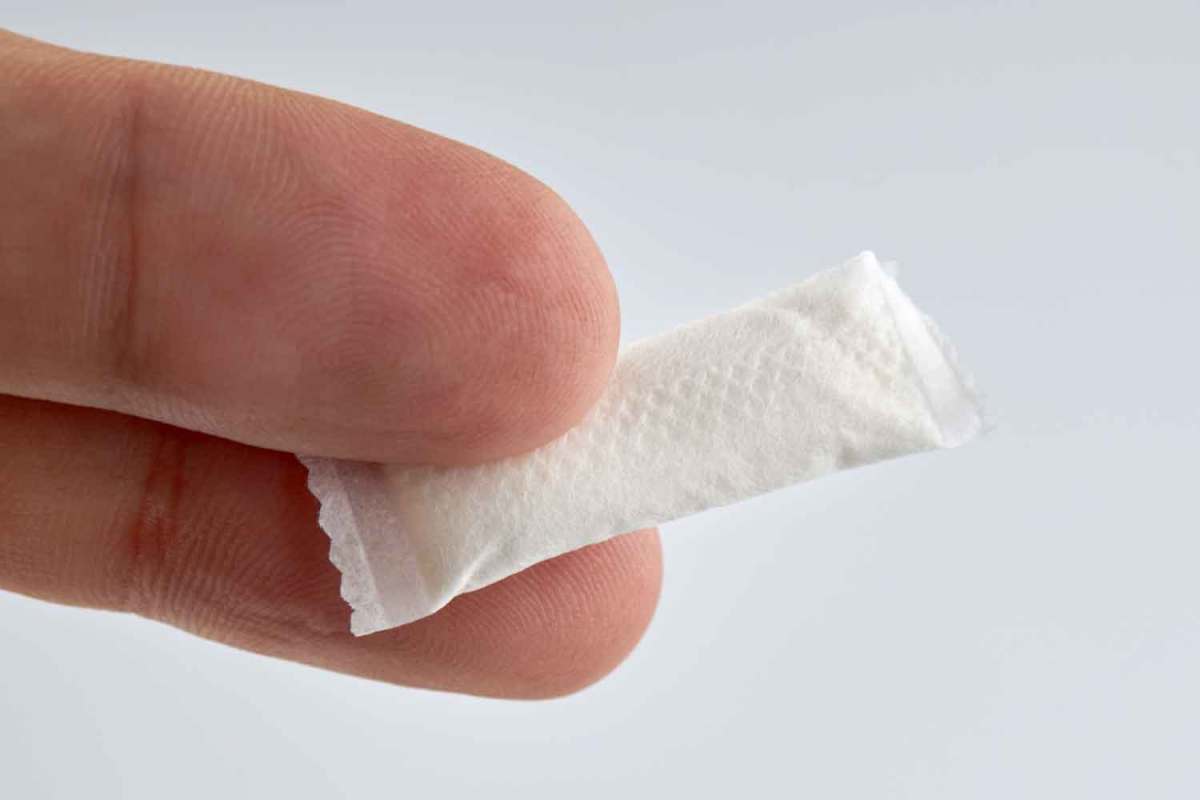
She said the product “does not contain tobacco” and is made from organic cellulose compounds, containing water, nicotine, flavourings and plant-based fibres covering the contents. Consumers place the pouch in the upper gum area for a maximum of about half an hour.
Mónica Andrade said the category should be regulated in a way that is proportionate to the level of risk posed by different nicotine consumption products. These also include traditional tobacco products and e-cigarettes, in both of which nicotine is inhaled and reaches the lungs.
Regarding the regulation being prepared by Spain’s Health Ministry for tobacco products and new reduced-risk formats, she said the proposal to reduce nicotine content to 0.99 milligrams per pouch would “de facto prohibit” the category and “lump them all together.”
She also said that a report by Germany’s Federal Institute for Risk Assessment, used by the association, concluded that 16.6 milligrams per unit is a blood nicotine concentration comparable to that reached after consuming one cigarette.
Mónica Andrade said that if Spain applies that reduction in nicotine content per pouch, while products are currently sold with nicotine levels ranging from 5 to 20 milligrams, consumers would be left “without alternatives” and would turn to illicit purchases or return to combustible tobacco products.
Her organisation argues that nicotine pouches should be sold only in tobacconists and authorised outlets, never be accessible to minors, always require age verification, and always carry health warnings on the packaging because nicotine is an addictive substance.
The association also called for a “lower and tiered” tax burden. She said that although this category “is not yet regulated,” it is already taxed at EUR 0.10 per gram (approximately USD 0.12, based on 1 EUR = 1.16 USD).
She also said that of a can of 20 pouches costing an average of EUR 5 (approximately USD 5.80, based on 1 EUR = 1.16 USD), 28% of the price corresponds to the special tax set for this category by the Finance Ministry, and when VAT is added, that percentage rises to 49%.
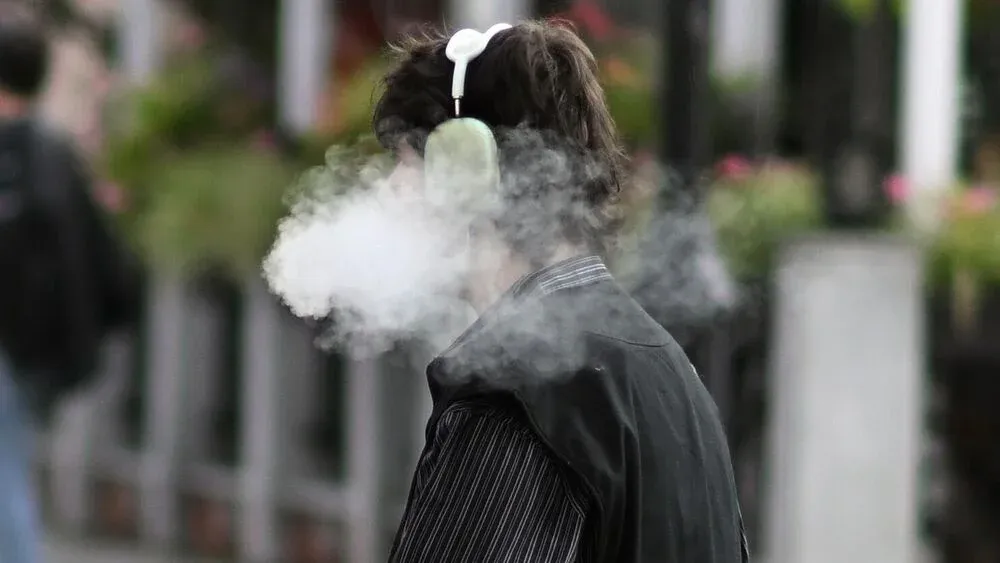
Image source: Efeagro
Related Reading:
We welcome news tips, article submissions, interview requests, or comments on this piece.
Please contact us at info@2firsts.com, or reach out to Alan Zhao, CEO of 2Firsts, on LinkedIn
Notice
1. This article is intended solely for professional research purposes related to industry, technology, and policy. Any references to brands or products are made purely for objective description and do not constitute any form of endorsement, recommendation, or promotion by 2Firsts.
2. The use of nicotine-containing products — including, but not limited to, cigarettes, e-cigarettes, nicotine pouchand heated tobacco products — carries significant health risks. Users are responsible for complying with all applicable laws and regulations in their respective jurisdictions.
3. This article is not intended to serve as the basis for any investment decisions or financial advice. 2Firsts assumes no direct or indirect liability for any inaccuracies or errors in the content.
4. Access to this article is strictly prohibited for individuals below the legal age in their jurisdiction.
Copyright
This article is either an original work created by 2Firsts or a reproduction from third-party sources with proper attribution. All copyrights and usage rights belong to 2Firsts or the original content provider. Unauthorized reproduction, distribution, or any other form of unauthorized use by any individual or organization is strictly prohibited. Violators will be held legally accountable.
For copyright-related inquiries, please contact: info@2firsts.com
AI Assistance Disclaimer
This article may have been enhanced using AI tools to improve translation and editorial efficiency. However, due to technical limitations, inaccuracies may occur. Readers are encouraged to refer to the cited sources for the most accurate information.
We welcome any corrections or feedback. Please contact us at: info@2firsts.com