2Firsts
June 3, 2026
According to Medical Xpress, Gamereactor, News of Bahrain and the Swedish Council for Information on Alcohol and Other Drugs (CAN), Sweden’s daily smoking rate fell to 4.8% in 2025, below the 5% threshold commonly used in public health discussions to define smoke-free status.
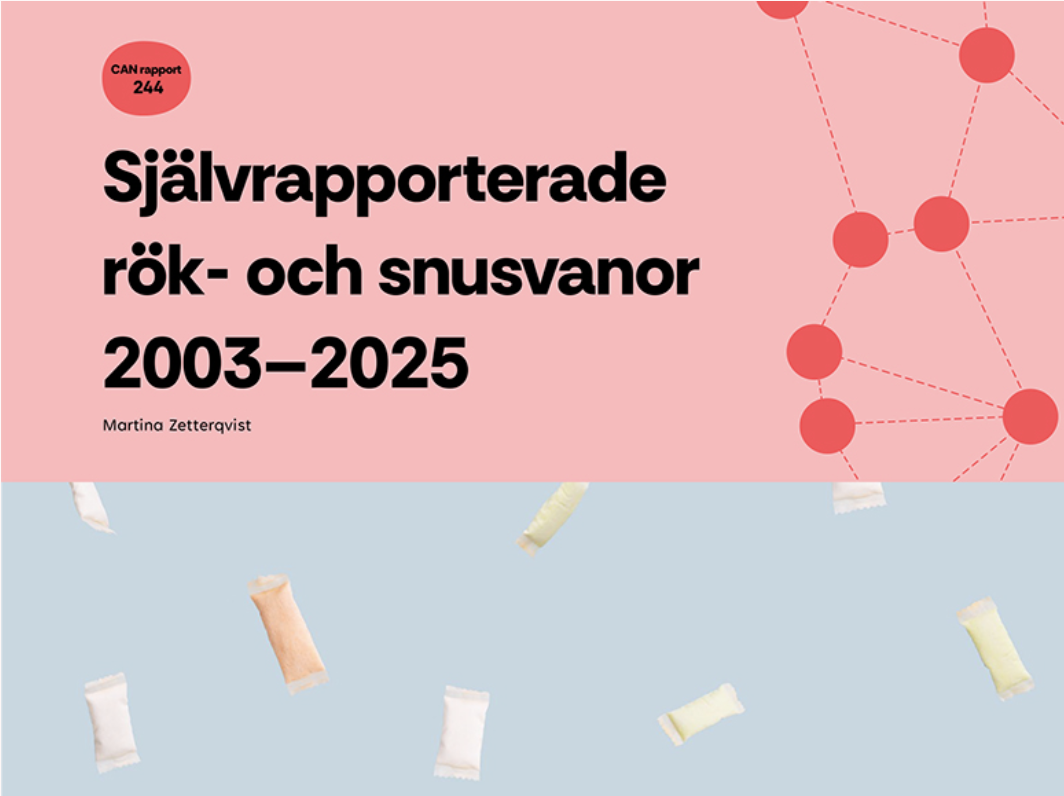
CAN’s latest report, Self-Reported Smoking and Snus Use 2003–2025, showed that Sweden’s daily smoking rate declined from 16% in 2003 to 4.8% in 2025. Medical Xpress reported that Sweden therefore met its smoke-free target in 2025.
The figure should be distinguished from 5.3%, which has appeared in some earlier reports and refers more broadly to overall smoking prevalence or previous statistical framing, rather than the daily smoking rate used for the smoke-free benchmark.
CAN’s report also shows that Sweden is not a low-nicotine-use country. Medical Xpress reported that although daily smoking has fallen below 5%, about one-quarter of Sweden’s population still uses nicotine daily in some form, including snus, nicotine pouches and vaping products.
CAN’s English summary said that in 2025, 5% of the population had vaped at least once in the preceding month. Most were sporadic users, while daily vaping stood at 1.9%.
On oral nicotine products, CAN said nicotine pouches were as common as traditional brown snus in the general population in 2025, but user profiles differed. Nicotine pouches were more common among women and young adults, while brown snus was more common among men and older adults.
Snus is an oral tobacco product typically placed between the upper lip and gum. Sweden secured an exemption for snus sales when it joined the European Union, making its snus market structurally different from most other EU member states.
CAN data show that daily snus users consumed around 200 tins per year between 2007 and 2018. Consumption has increased since 2019, reaching 243 tins per year in 2025.
Groups supporting tobacco harm reduction argue that Sweden’s low smoking rate is linked to the availability of smoke-free nicotine products such as snus and nicotine pouches. Medical Xpress reported that Sweden reached the sub-5% daily smoking benchmark in 2025 while still recording widespread daily nicotine use.

However, some public health organizations caution that low smoking prevalence should not be equated with the end of nicotine-related public health concerns. The Swedish Cancer Society said Sweden is still not entirely smoke-free, that smoking remains a major preventable cause of cancer in the country and that total tobacco and nicotine use remains high.
Industry observers said Sweden’s experience is becoming an important reference point in Europe’s nicotine regulation debate. On one hand, daily smoking has fallen below 5%; on the other, rising use of smoke-free nicotine products among women, young adults and snus users is shifting regulatory attention from reducing smoking alone to managing overall nicotine use.
This document has been generated through artificial intelligence translation and is provided solely for the purposes of industry discourse and learning. Please note that the intellectual property rights of the content belong to the original media source or author. Owing to certain limitations in the translation process, there may be discrepancies between the translated text and the original content. We recommend referring to the original source for complete accuracy. In case of any inaccuracies, we invite you to reach out to us with corrections. If you believe any content has infringed upon your rights, please contact us immediately for its removal.