Key Points:
1.In May 2025, the state parliament of Solothurn in Switzerland passed a law banning the sale of disposable e-cigarettes, making it the latest state to impose a ban following Valais, Jura, and Bern.
2.Legislators pointed out that this type of product not only causes serious pollution to the environment but also easily leads teenagers to addiction, and therefore should be banned immediately.
3.E-cigarette vendors have questioned this, believing that a sales ban will not effectively deter youth use, and are calling for strengthened age verification and tax incentives measures.
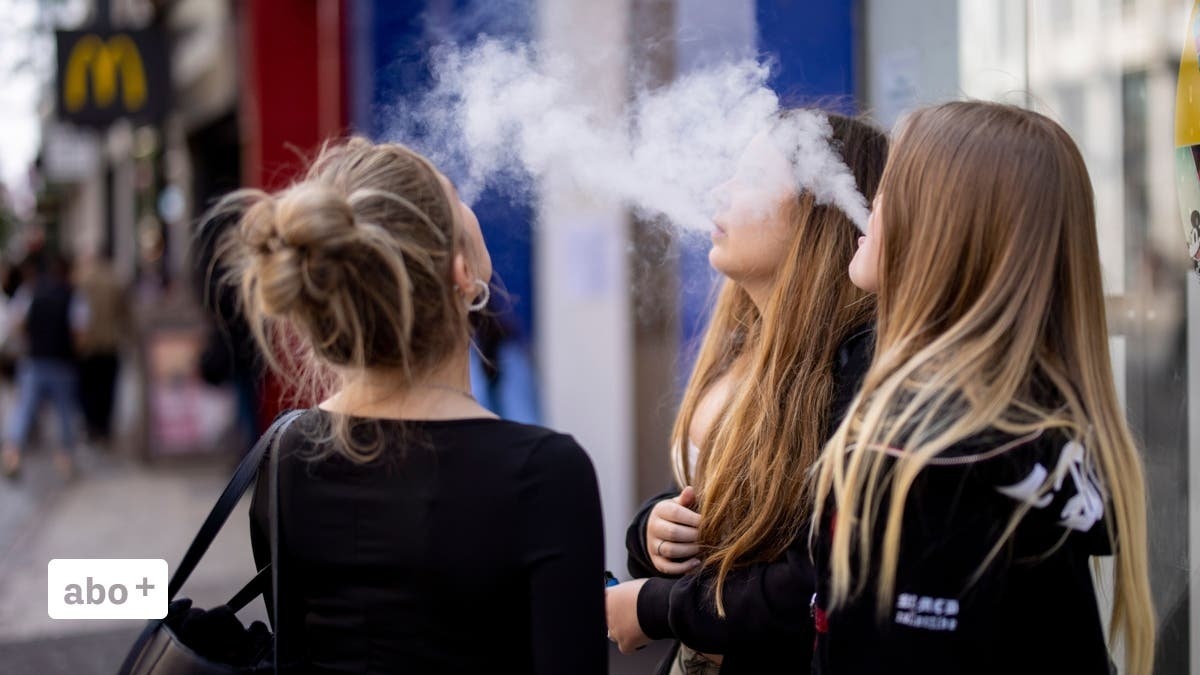
According to the Swiss newspaper "Schweizer Nachrichten," the cantonal parliament of Solothurn, Switzerland passed a law in mid-May this year banning the sale of disposable e-cigarettes. Following the lead of Valais, Jura, and Bern, Solothurn is the latest canton to take proactive measures to ban such e-cigarettes, drawing widespread attention for its focus on environmental protection and youth safety.
In the debate, lawmakers pointed out that disposable e-cigarettes pose a threat to the environment. Although the lithium-ion batteries of these e-cigarettes should be recycled, 80% of the waste ultimately ends up in landfills or nature. At the same time, for the health of youth, the parliament unanimously believes that the sale of such products should be immediately discontinued.
Green Party member Rebekka Matter-Linder stated:
"It is imperative to implement a ban as soon as possible to prevent the younger generation from being exposed to these addictive gateway products."
However, some lawmakers oppose the state ban and argue that national legislation should be promoted instead. At the same time, these lawmakers also support the goal of the bill to protect youth and the environment. However, since October 2024, the newly revised national Tobacco Products Act has banned the sale of e-cigarettes to minors.
In response, Tobias Schneider, the owner of the main e-cigarette online store "Shisha Heaven," expressed skepticism. He believes that the sales ban is not enough to prevent youth consumption. He pointed out:
"Under the new regulations, the price of disposable e-cigarettes has increased due to higher taxes and their capacity has been limited. As a result, teenagers may choose to switch to reusable products."
Schneider's company is taking proactive measures to reduce the sale of disposable products in order to support environmental protection. He believes that the government should enforce sales bans on minors more strictly and suggests using identity scanning technology to verify customer ages. Additionally, he recommends using the increased tax revenues for prevention measures.
We welcome news tips, article submissions, interview requests, or comments on this piece.
Please contact us at info@2firsts.com, or reach out to Alan Zhao, CEO of 2Firsts, on LinkedIn
Notice
1. This article is intended solely for professional research purposes related to industry, technology, and policy. Any references to brands or products are made purely for objective description and do not constitute any form of endorsement, recommendation, or promotion by 2Firsts.
2. The use of nicotine-containing products — including, but not limited to, cigarettes, e-cigarettes, nicotine pouchand heated tobacco products — carries significant health risks. Users are responsible for complying with all applicable laws and regulations in their respective jurisdictions.
3. This article is not intended to serve as the basis for any investment decisions or financial advice. 2Firsts assumes no direct or indirect liability for any inaccuracies or errors in the content.
4. Access to this article is strictly prohibited for individuals below the legal age in their jurisdiction.
Copyright
This article is either an original work created by 2Firsts or a reproduction from third-party sources with proper attribution. All copyrights and usage rights belong to 2Firsts or the original content provider. Unauthorized reproduction, distribution, or any other form of unauthorized use by any individual or organization is strictly prohibited. Violators will be held legally accountable.
For copyright-related inquiries, please contact: info@2firsts.com
AI Assistance Disclaimer
This article may have been enhanced using AI tools to improve translation and editorial efficiency. However, due to technical limitations, inaccuracies may occur. Readers are encouraged to refer to the cited sources for the most accurate information.
We welcome any corrections or feedback. Please contact us at: info@2firsts.com