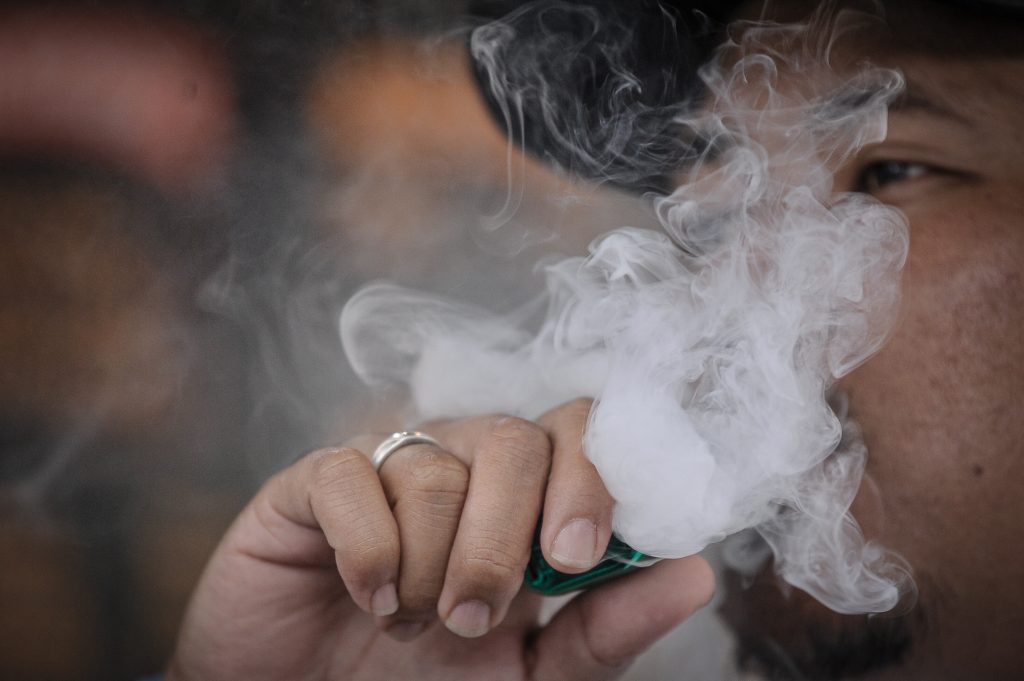
According to recent reports by New Zealand media outlet nzherald, the mother of a teenage smoker has expressed "extreme fear" over the government's plan to repeal certain anti-smoking laws, believing it would be a "regressive step" for future generations. Advocates of youth e-cigarette salons, on the other hand, lean towards the belief that the government is prioritizing tax cuts over the health of our children.
The coalition government plans to repeal certain provisions of the 2022 Labour legislation, which were set to significantly reduce the number of tobacco retailers, mandate the removal of a majority of nicotine from tobacco products, and implement the world's first ban on smoking among the younger generation.
The government will use the money saved to fund tax cuts. The government states that it understands parents' concerns about teenage smoking and e-cigarette use, but it is repealing pending smoke-free legislation because it believes there are better ways to assist with smoking cessation. It will continue its efforts to reduce smoking rates and enhance e-cigarette regulations.
Megan Verney, a mother from the Bay area, believes that the government has changed its goal of making New Zealand a smoke-free zone without a suitable replacement. She expressed that New Zealand has made significant progress, but now feels like the "rug has been suddenly pulled out from under us". Meanwhile, an anonymous mother with six children in the Bay area expressed "extreme anger" towards the plan to repeal smoke-free measures.
Marnie Wilton, chairperson of Smokefree Kids New Zealand and a mother of two, expressed her "shock" and "anger" towards the proposed legislation repeal. She believes that if the government fails to demonstrate moral leadership on smoking, she does not believe it can address the issue of youth e-cigarette use.
Letitia Harding, the Chief Executive Officer of the Asthma and Respiratory Foundation, expressed concern that the cancellation of these measures could foster the normalization of smoking and e-cigarette use.
The coalition government's plan to abolish smoking bans has raised concerns among parents of teenage smokers. In response, government officials have adhered to tobacco companies' spokespersons who assert that the group believes e-cigarette products have played a "crucial role" in the decline of smoking rates in New Zealand.
A spokesperson for the Ministry of Health in New Zealand has stated that the government's revenue from tobacco consumption taxes decreased from $1.98 billion in the 2019/19 fiscal year to $1.666 billion in the 2022/23 fiscal year. E-cigarette products are not subject to consumption taxes. Annual returns from specialized e-cigarette retailers indicate that the market sales in 2022 amounted to approximately $404 million.
We welcome news tips, article submissions, interview requests, or comments on this piece.
Please contact us at info@2firsts.com, or reach out to Alan Zhao, CEO of 2Firsts, on LinkedIn
Notice
1. This article is intended solely for professional research purposes related to industry, technology, and policy. Any references to brands or products are made purely for objective description and do not constitute any form of endorsement, recommendation, or promotion by 2Firsts.
2. The use of nicotine-containing products — including, but not limited to, cigarettes, e-cigarettes, nicotine pouchand heated tobacco products — carries significant health risks. Users are responsible for complying with all applicable laws and regulations in their respective jurisdictions.
3. This article is not intended to serve as the basis for any investment decisions or financial advice. 2Firsts assumes no direct or indirect liability for any inaccuracies or errors in the content.
4. Access to this article is strictly prohibited for individuals below the legal age in their jurisdiction.
Copyright
This article is either an original work created by 2Firsts or a reproduction from third-party sources with proper attribution. All copyrights and usage rights belong to 2Firsts or the original content provider. Unauthorized reproduction, distribution, or any other form of unauthorized use by any individual or organization is strictly prohibited. Violators will be held legally accountable.
For copyright-related inquiries, please contact: info@2firsts.com
AI Assistance Disclaimer
This article may have been enhanced using AI tools to improve translation and editorial efficiency. However, due to technical limitations, inaccuracies may occur. Readers are encouraged to refer to the cited sources for the most accurate information.
We welcome any corrections or feedback. Please contact us at: info@2firsts.com