Guardian Reports Aggressive Marketing of Tobacco Alternatives on Social Media

Industry Insight by 2FIRSTS.ai
Dec.08.2023
Guardian Reports Aggressive Marketing of Tobacco Alternatives on Social Media
Millions of social media users, especially young people, are exposed to nicotine pouch and e-cigarette advertisements, according to a study.

In recent days, according to a report from The Guardian, a study has revealed that hundreds of millions of social media users are exposed to posts promoting nicotine pouches and e-cigarettes. Particularly concerning is the impact on young people, as they have become the primary target of advertising campaigns promoting smoking alternatives.


The study, conducted by The Campaign for Tobacco-Free Kids, reveals the aggressive tactics employed by companies to promote smoking alternatives through discounted offers, freebies, and paid influencers.


The organization issued a warning that these advertisements are constantly flooding social media and attracting countless young people to browse. The report states that 40% of the audience is under the age of 25, with 16 million viewers under the age of 18. The majority of views come from Instagram.


In the first study of its kind, a charitable organization examined three brands: Velo, a nicotine pouch sold by British American Tobacco; Vuse, an e-cigarette also sold by BAT; IQOS, a heated tobacco product sold by Philip Morris International, the manufacturer of Marlboro cigarettes.


A spokesperson for a tobacco company in the UK and US has stated that the company explicitly states that their e-cigarettes and nicotine pouches are "only meant for adult smokers and nicotine users." They have further emphasized that anyone seeking to establish a brand partnership with them must be at least 25 years old and should "ensure that the majority of their followers are above 18 years of age.


A spokesperson for Philip Morris stated that they are unable to provide a comprehensive response due to the inability to fully analyze the report. The spokesperson said that responsible sales and marketing are the company's top priority. They further mentioned that the company communicates its products to adult audiences.


Yolanda Richardson, CEO of Smoke-free Kids Movement, believes that this report "should sound the alarm on improper marketing.


The charity organization expressed its hope that social media companies would bear legal responsibility and proactively identify and remove any illegal marketing of tobacco and nicotine products on their platforms.


Further research reveals that these posts promoting smoking alternatives have garnered over 3.4 billion views on social media platforms. This data highlights the significant role the smoking alternatives market holds in social media advertising, emphasizing the urgent need for regulation and oversight.


We welcome news tips, article submissions, interview requests, or comments on this piece.

Please contact us at info@2firsts.com, or reach out to Alan Zhao, CEO of 2Firsts, on LinkedIn


Notice

1.  This article is intended solely for professional research purposes related to industry, technology, and policy. Any references to brands or products are made purely for objective description and do not constitute any form of endorsement, recommendation, or promotion by 2Firsts.

2.  The use of nicotine-containing products — including, but not limited to, cigarettes, e-cigarettes, nicotine pouchand heated tobacco products — carries significant health risks. Users are responsible for complying with all applicable laws and regulations in their respective jurisdictions.

3.  This article is not intended to serve as the basis for any investment decisions or financial advice. 2Firsts assumes no direct or indirect liability for any inaccuracies or errors in the content.

4.  Access to this article is strictly prohibited for individuals below the legal age in their jurisdiction.


Copyright


This article is either an original work created by 2Firsts or a reproduction from third-party sources with proper attribution. All copyrights and usage rights belong to 2Firsts or the original content provider. Unauthorized reproduction, distribution, or any other form of unauthorized use by any individual or organization is strictly prohibited. Violators will be held legally accountable.

For copyright-related inquiries, please contact: info@2firsts.com


AI Assistance Disclaimer


This article may have been enhanced using AI tools to improve translation and editorial efficiency. However, due to technical limitations, inaccuracies may occur. Readers are encouraged to refer to the cited sources for the most accurate information.

We welcome any corrections or feedback. Please contact us at: info@2firsts.com

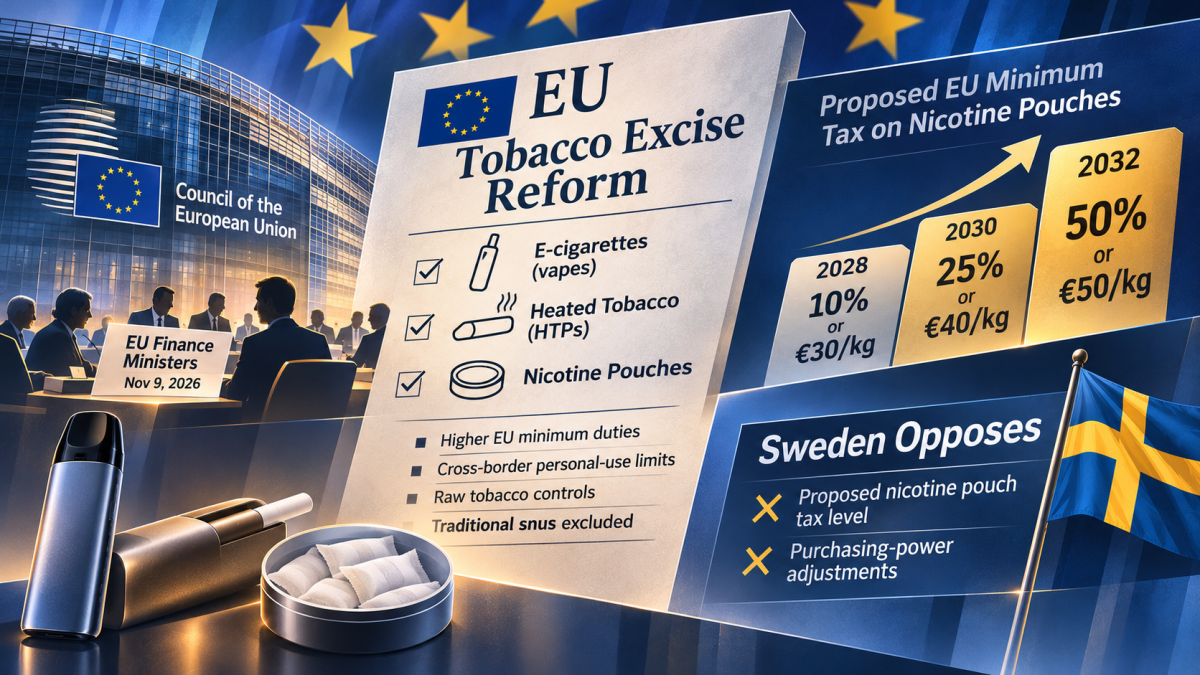
EU Vape, Heated Tobacco and Nicotine Pouch Tax Reform Reaches Ministerial Talks: Sweden Opposes Proposed 2032 Minimum of 50% of Retail Price or €50/kg for Nicotine Pouches
EU finance ministers are scheduled to discuss tobacco excise reform on November 9, 2026, seeking agreement on higher minimum duties for conventional tobacco and a common EU minimum tax framework covering e-cigarettes, heated tobacco and nicotine pouches. A November 5 Council document identifies nicotine pouch taxation as the main outstanding issue. The Irish Council presidency proposes phased increases, reaching 50% of retail selling price or €50 per kilogram in 2032. Sweden has formally said it cannot support the current compromise, objecting to both the proposed nicotine pouch tax burden and the adjustment of minimum rates based on national purchasing power. The package also addresses cross-border personal-use reference quantities, raw tobacco controls and the continued exclusion of traditional tobacco snus.
Regulations
Nov.10
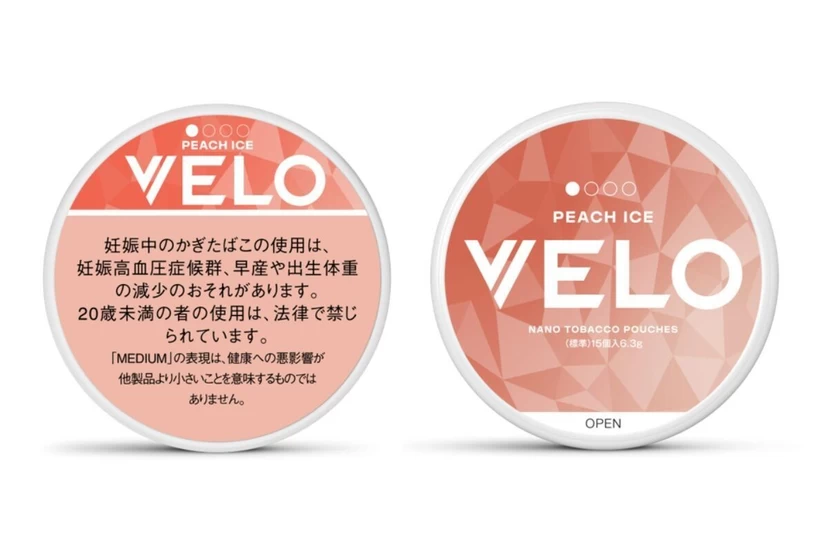
Product | BAT Expands VELO Peach Ice Medium to FamilyMart Stores Nationwide in Japan
British American Tobacco Japan (BAT Japan) expanded VELO Peach Ice Medium to FamilyMart stores nationwide in Japan from September 7, 2026. The oral tobacco product first launched on July 6 and had previously been sold through VELO's official online store, glo Store Ginza and tobacco retailers. It combines peach flavor with menthol cooling at a Medium strength level and is priced at JPY 360. Japanese tobacco retailers list 15 pouches per pack. The move adds the new SKU to an existing nationwide FamilyMart distribution network for VELO rather than marking the brand's first entry into the convenience-store chain.
Sep.15
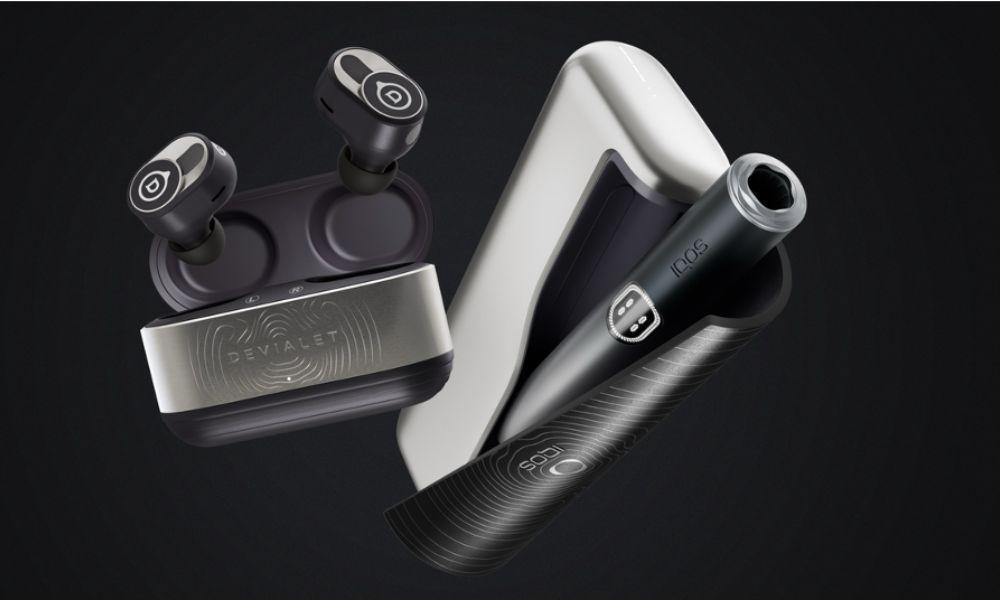
Product | Philip Morris Japan Teams Up With Renowned French Audio Brand DEVIALET for Limited-Edition IQOS Priced 60% Above Standard Model
Philip Morris Japan (PMJ) launched the limited-edition IQOS ILUMA i PRIME Soundsorial Model in collaboration with French audio brand DEVIALET on October 1, 2026. Featuring sound-wave patterns, a silver-and-black finish and a gradient holder, the heated tobacco device is priced at JPY 15,980, including tax, and is available at four IQOS stores in Japan. According to Japanese media citing a PMJ representative, about 1,900 units were allocated to the Japanese retail market. A separate Soundsorial Collection, combining the device with DEVIALET Gemini II earbuds, includes 440 sets allocated to Japan for a membership prize draw.
product
Oct.23
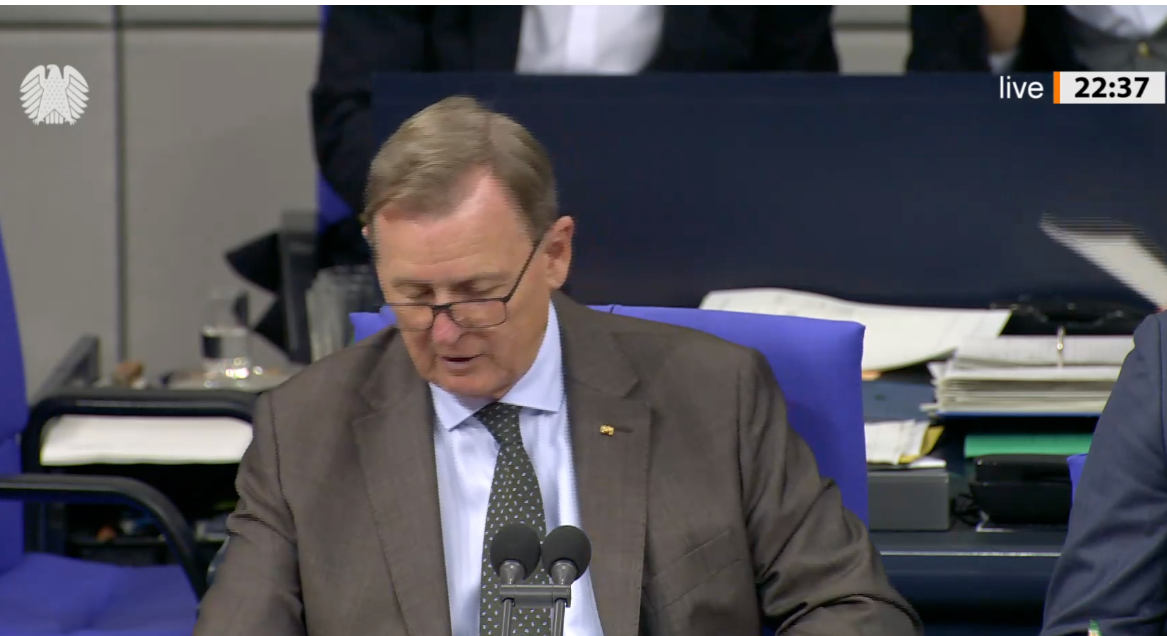
German Bundestag Passes Tobacco Tax Hikes: Vape Liquid Duty to Reach €0.44/ml, Heated Tobacco Taxes to Rise and Cigarettes Seen Near €12 a Pack
Germany's Bundestag passed amendments to the Tobacco Tax Act on October 15, 2026, setting out annual excise tax increases from 2027 through 2030 for e-cigarette liquids, heated tobacco, cigarettes and other tobacco products. Under the Finance Committee's amended bill, duty on qualifying e-liquids will rise from €0.32/ml in 2026 to €0.44/ml in 2030, an increase of 37.5%. Heated tobacco will retain its tax calculation based on 80% of the corresponding cigarette excise duty. The average price of a 20-cigarette pack is projected to approach €12 by 2030, with some brands potentially reaching €14. The legislation is projected to generate approximately €11.8 billion in additional tax revenue over four years and remains subject to further legislative procedures.
Regulations
Oct.19
Special Report | How Capital Is Reassessing the Global Tobacco and Modern Nicotine Industry: Lessons from a New York Forum
Capital is reassessing the global tobacco and modern nicotine industry as heated tobacco, vaping and nicotine pouches reshape demand, profitability and regulation. At the 2026 New Approaches Summit in New York, investors and analysts examined whether smoke-free growth can sustain earnings, how regulation shapes startup value, and whether shareholder engagement can be more effective than divestment. The debate points to a broader shift: tobacco transition is increasingly becoming a capital-allocation, governance and valuation question.
Capital Markets
Oct.05
Australia Adds 6-Methylnicotine to Schedule 9 Prohibited Substances, Effective October 1
Australia's Therapeutic Goods Administration published a final decision on September 25 to classify 6-methylnicotine as a Schedule 9 prohibited substance under the Poisons Standard, effective October 1, 2026. TGA said the chemical has been reported in e-cigarette liquids sold in Australia and marketed as nicotine-free or nicotine alternatives, while evidence also indicates its use in preparations such as oral pouches. The government originally proposed a Schedule 7 classification but ultimately adopted the stricter Schedule 9 designation, citing acute toxicity, dependence risk, use in unapproved consumer products and misleading marketing.
News
Sep.29 by 2Firsts Perspectives