Disclaimer:
1.Exclusively published by 2Firsts with the author’s permission.
2.The views expressed in this article are solely those of the author.
A Different Kind of Tobacco: Understanding India's Smokeless Landscape
By Dr. Kiran Melkote
Tobacco use remains a formidable public health challenge worldwide. But while at the global level most attention focuses on smoking, India grapples with the additional burden of significant smokeless tobacco (SLT) consumption. Unlike Swedish snus and modern oral products, which are well-established as less harmful alternatives to cigarettes, India’s traditional SLTs present considerable health risks. Coupled with regulatory inattention, the persistent popularity of these products reveals a troubling picture with a poor long-term outlook for public health.
Market Profile: A Colossal and Complex Landscape
Contrary to the situation in most other countries, factory-made cigarettes represent a small share of India’s tobacco market. Of the 267 million Indian tobacco users, only 28 million consume the “white” cigarettes familiar to Western smokers, with 72 million preferring bidis (traditional, unfiltered cigarettes rolled in tendu leaf). The overwhelming majority of Indian tobacco users—200 million people—consume SLT. (Global Adult Tobacco Survey 2)
India’s SLT market is not only significant, but it also continues to grow. Straits Research projects it to reach $10.4 billion by 2026, exhibiting a compound annual growth rate of 10.4% from 2019 to 2026. While cigarette consumption might fluctuate due to targeted control measures, the SLT market demonstrates resilience due to its affordability, accessibility and deep-rooted social acceptance. Moreover, studies indicate that factors like poverty and food insecurity contribute to SLT use, with some using it to suppress hunger.
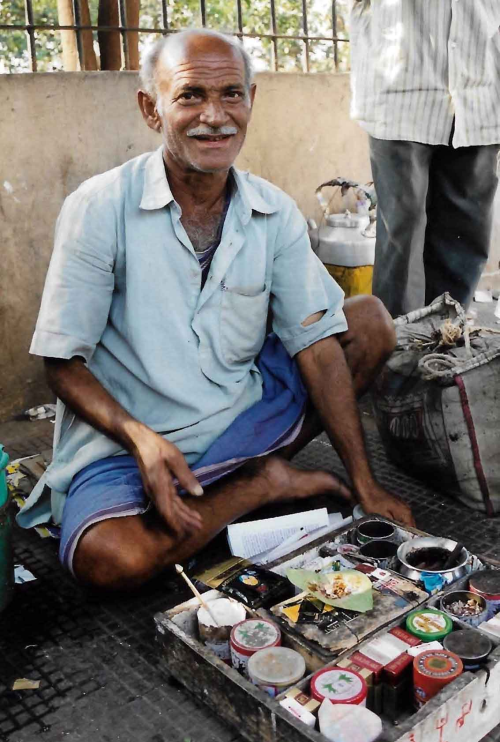
The SLT landscape in India is diverse, with several popular product types. These include chewing tobacco products like khaini, zarda, gutkha (a mix of tobacco, areca nut and other ingredients) and pan masala with tobacco. These products contain a complex mix of ingredients, some of which pose significant health risks.
Industry Profile: Employment, Fragmentation and Influence
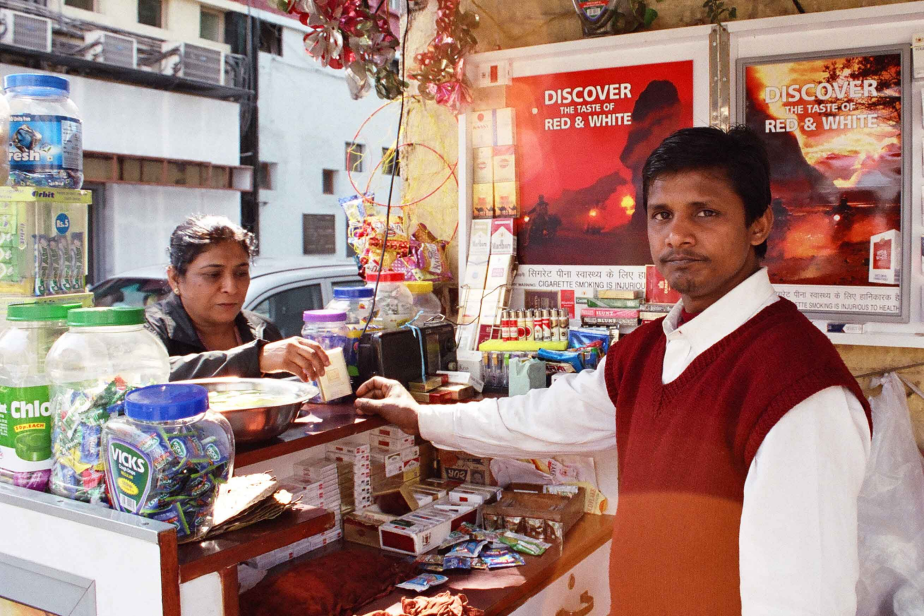
The Indian tobacco industry, including SLT, plays a significant role in the nation's economy. It provides direct and indirect employment to approximately 45.7 million people, including farmers, laborers and factory workers, as well as those involved in processing, manufacturing and exporting. The industry also contributes substantially to the country's revenue generation and foreign exchange earnings.
Whereas India’s factory-made cigarette industry is dominated by a handful of large and heavily mechanized players, the SLT sector features numerous small and medium-sized players, alongside larger entities. This fragmentation poses challenges for regulation and standardization.
The SLT industry’s economic significance and contribution to employment also give it political clout, which can complicate tobacco control initiatives, as demonstrated by an example shared by one producer on condition of anonymity. According to this source, government connections provide advance warning of enforcement actions, allowing him to divert production to other locations. This arrangement enables the manufacturer to keep six or seven of his eight factories operational at any time despite frequent raids.
Risk Profile: A Grave Health Threat
Whereas at the global level, SLTs are often promoted as lower-risk alternatives to cigarettes, the Indian variety has decidedly less stellar tobacco harm reduction (THR) credentials than, say, Swedish snus or nicotine pouches. In fact, Indian SLTs have been identified as a major etiological factor in the country’s disproportionately high rate of oral cancer cases.
This increased risk is a result of several factors, including higher levels of tobacco-specific nitrosamines due to the heat curing or roasting processes; the presence of areca nut (a known carcinogen); and the common practices of prolonged use and quid retention. The combination of these factors makes Indian SLT “uniquely deadly,” in the view of some experts.
Compounding this problem, many Indian SLT users are only vaguely aware of these risks. While health warnings are mandated on product packaging, their effectiveness is constrained by factors such as health literacy, cultural beliefs and the addictive nature of the products. Meanwhile, the impact of campaigns to discourage SLT use is often limited by the deep-rooted socioeconomic factors driving consumption, as well as the lack of focus on tackling tobacco dependence.
Regulation: A Complex and Evolving Landscape
India’s SLT industry is regulated primarily by the Ministry of Health and Family Welfare. The principal legislation governing tobacco products, including SLT, is the Cigarettes and Other Tobacco Products Act (COTPA) of 2003. However, implementation and enforcement of its rules are hampered by numerous challenges, including industry interference and legal hurdles.
SLT taxes, meanwhile, suffer from a lack of uniformity and often lag behind those levied on cigarettes. The smaller pack sizes and low unit prices also negate the effect of taxation. Experts advocate for a more equitable and higher taxation regime across all tobacco products, with standardization of pack sizes to deter consumption.
Alternatives: Harm Reduction and the Indian Context
While THR has gained traction globally, it has made limited headway in India. Less-harmful SLTs such as Swedish snus and nicotine pouches are currently unavailable in the country, leaving consumers dependent on higher-risk traditional products. Reduced-risk products face several hurdles in India, including regulatory restrictions, a lack of public awareness and misconceptions about nicotine, cultural preferences for traditional SLT products, and concerns about affordability and accessibility.
Overcoming these hurdles requires a nuanced approach that combines effective cessation strategies with pragmatic harm reduction measures tailored to the Indian context. This involves:
· Developing India-specific interventions that address the sociocultural and economic drivers of SLT use
· Implementing comprehensive and effectively enforced regulations
· Exploring the role of less harmful alternatives while carefully considering the Indian context where social determinants like poverty drive SLT use.
· Prioritizing public health while respecting individual rights and promoting informed decision-making.
On World No Tobacco Day, it is imperative to renew our commitment to tackling the SLT epidemic in India with evidence-based strategies, compassion and a focus on saving lives.

An orthopedic surgeon practicing in the Delhi region, Dr. Kiran Melkote is a director at the Association for Harm Reduction Education and Research, a body of healthcare professionals from diverse disciplines united by an interest in harm reduction as a tool for improving public health.
As a former smoker, Melkote is a passionate advocate for harm reduction especially in the context of tobacco use. He is actively working on tobacco cessation and nicotine substitution as twin strategies for saving lives affected by tobacco use.
Melkote is also enrolled in the advanced management program in healthcare at the Indian School of Business and is vice president and director at Aavinyaa Strategies.
Image courtesy of Kiran Melkote