Key Takeaways
- Japan will raise tobacco product taxes and corporate income tax from April 1.
- A second tobacco tax increase is scheduled for October, and a personal income tax increase is planned for January.
- The government expects the three tax hikes to generate JPY 1.3 trillion in annual revenue in fiscal 2027, or about USD 8.15 billion based on the implied rate used in the report.
- The revenue will support a five-year defense spending increase of JPY 43 trillion, or about USD 269.58 billion based on the implied rate used in the report.
- The Finance Ministry expects tobacco tax increases to generate JPY 44 billion in fiscal 2026, JPY 116 billion in fiscal 2027, and then JPY 212 billion annually thereafter.
2Firsts, March 27, 2026
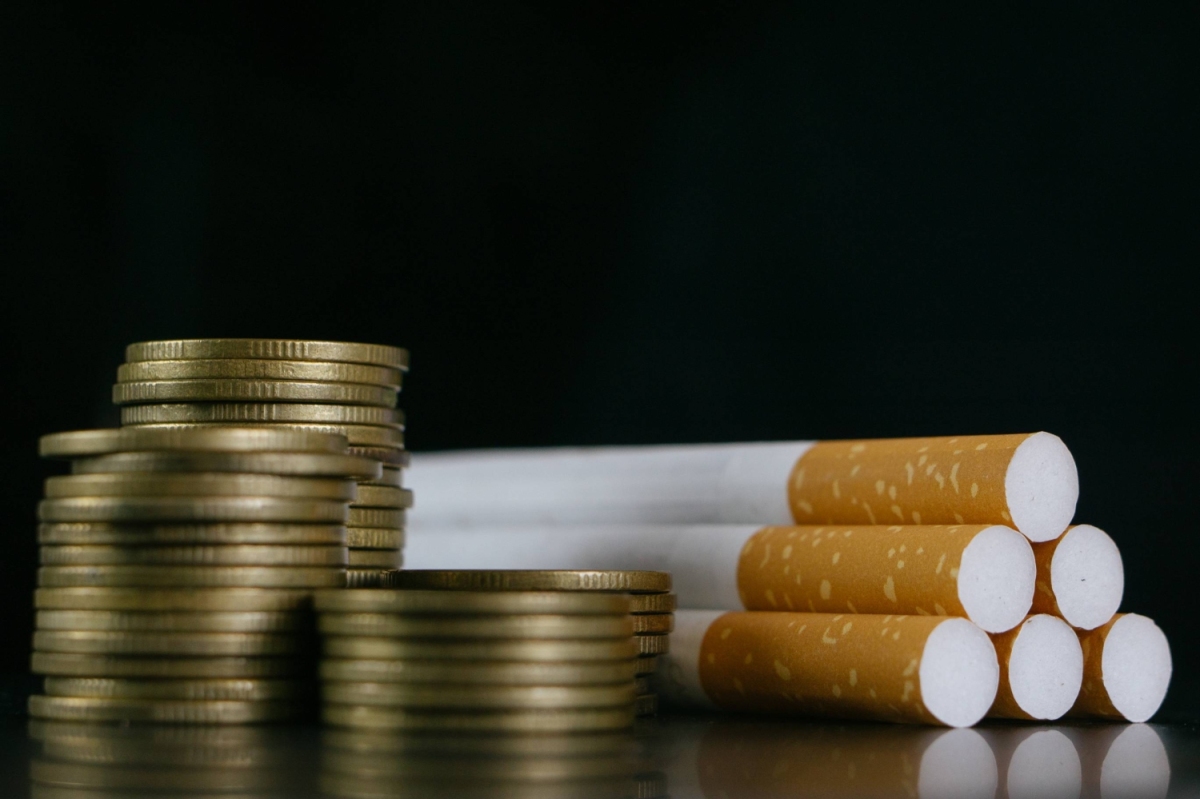
According to Japan Times,Japan will raise taxes on tobacco products and corporate income from April 1, marking the first of several levies that will be used to help fund an increased defense budget.
Japan will raise tobacco taxes in April and October, with a personal income tax increase planned for January
A second tobacco tax increase is scheduled for October, while personal income tax will be raised in January. The Japanese government expects the three tax hikes to generate JPY 1.3 trillion in annual revenue in fiscal 2027, equivalent to about USD 8.15 billion based on the implied exchange rate used in the report.
That revenue will be used to support a five-year defense spending increase totaling JPY 43 trillion, or about USD 269.58 billion based on the implied rate used in the report, under a plan that began in 2023.
Taxes on both cigarettes and heated tobacco products will rise, and the gap between them will narrow
Taxes will rise on both conventional cigarettes and heated tobacco products. While the tax burden on heated tobacco products has typically been much lower than that on cigarettes, the difference between the two will narrow with the new adjustments.
Philip Morris Japan announced last month that it would raise prices by JPY 40 to JPY 50 per pack on 50 heated tobacco products from April 1, equivalent to about USD 0.25 to USD 0.31 based on the implied rate used in the report. Japan Tobacco said it would increase prices on 37 products by JPY 20 to JPY 30 from April, or about USD 0.13 to USD 0.19.
Neither company has announced how it will respond to the further tax increase scheduled for October.
The Finance Ministry expects tobacco tax and corporate tax changes to generate the bulk of the new revenue
Japan’s Finance Ministry projected in December that higher tobacco taxes would generate JPY 44 billion in revenue in fiscal 2026, or about USD 276 million based on the implied rate used in the report, and JPY 116 billion in fiscal 2027, or about USD 727 million. Annual revenue would later rise to JPY 212 billion, or about USD 1.33 billion, following further tobacco tax increases from April 2027.
The corporate income tax increase will take the form of a 4% surcharge applied to the amount remaining after JPY 5 million, or about USD 31,346, is deducted from a company’s corporate tax liability for each fiscal year. In addition to larger companies that record losses in a given year, 94% of small and medium-sized enterprises with total corporate tax liability below JPY 5 million will also be exempt.
The Finance Ministry expects the new corporate tax to generate JPY 576 billion in revenue this year, or about USD 3.61 billion, JPY 923 billion in 2027, or about USD 5.79 billion, and then JPY 869 billion annually thereafter, or about USD 5.45 billion.
Parliament is discussing a bill that would raise income tax by 1% from January as the third funding measure for defense spending. That measure is expected to generate JPY 256 billion annually, or about USD 1.61 billion.
In addition, the income tax increase will follow a reduction in a separate reconstruction levy imposed after the March 11, 2011 Great East Japan Earthquake. That levy will be lowered from 2.1% to 1.1%, but its duration will be extended by 10 years to 2047.
The three defense-related tax measures together are expected to generate about JPY 1.3 trillion a year. At the same time, the government is aiming to secure more than JPY 9 trillion in defense spending for fiscal 2026, or about USD 56.42 billion, which would allow it to reach its target of 2% of GDP about two years ahead of schedule.
Image source: The Japan Times
We welcome news tips, article submissions, interview requests, or comments on this piece.
Please contact us at info@2firsts.com, or reach out to Alan Zhao, CEO of 2Firsts, on LinkedIn
Notice
1. This article is intended solely for professional research purposes related to industry, technology, and policy. Any references to brands or products are made purely for objective description and do not constitute any form of endorsement, recommendation, or promotion by 2Firsts.
2. The use of nicotine-containing products — including, but not limited to, cigarettes, e-cigarettes, nicotine pouchand heated tobacco products — carries significant health risks. Users are responsible for complying with all applicable laws and regulations in their respective jurisdictions.
3. This article is not intended to serve as the basis for any investment decisions or financial advice. 2Firsts assumes no direct or indirect liability for any inaccuracies or errors in the content.
4. Access to this article is strictly prohibited for individuals below the legal age in their jurisdiction.
Copyright
This article is either an original work created by 2Firsts or a reproduction from third-party sources with proper attribution. All copyrights and usage rights belong to 2Firsts or the original content provider. Unauthorized reproduction, distribution, or any other form of unauthorized use by any individual or organization is strictly prohibited. Violators will be held legally accountable.
For copyright-related inquiries, please contact: info@2firsts.com
AI Assistance Disclaimer
This article may have been enhanced using AI tools to improve translation and editorial efficiency. However, due to technical limitations, inaccuracies may occur. Readers are encouraged to refer to the cited sources for the most accurate information.
We welcome any corrections or feedback. Please contact us at: info@2firsts.com