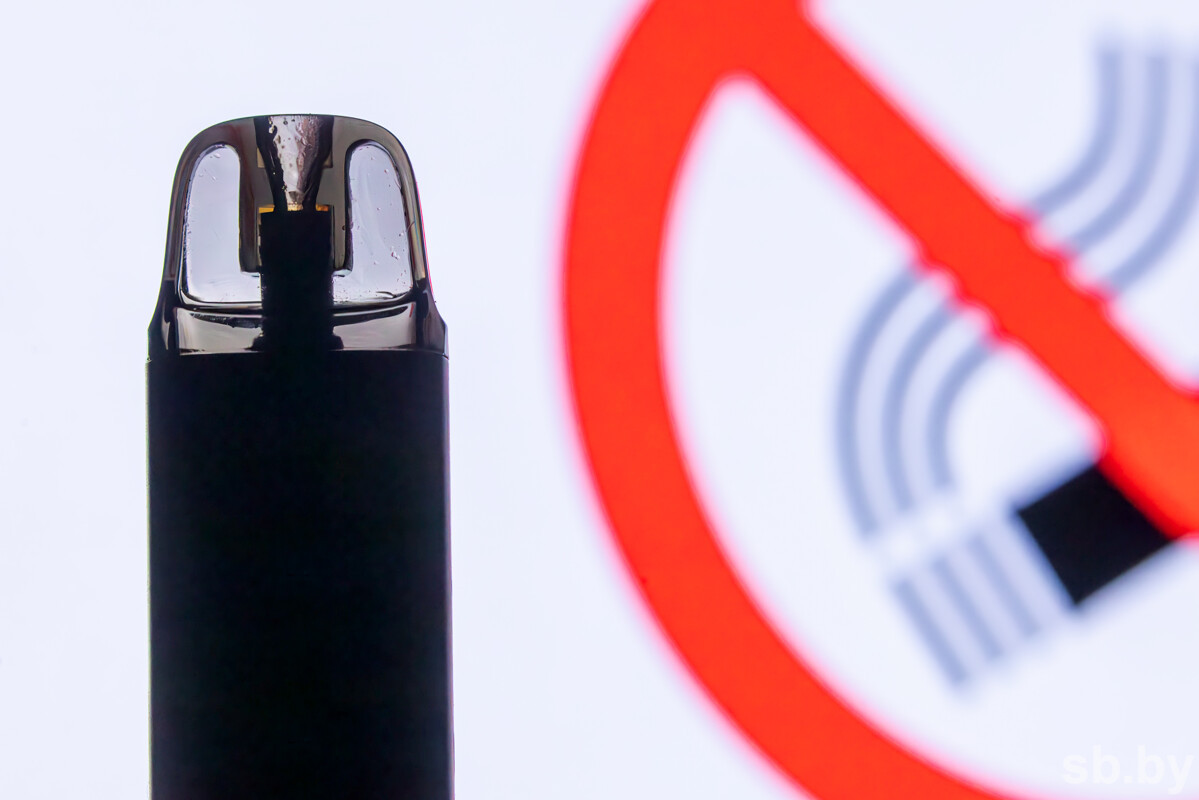
According to an announcement on the official website of the Australian Department of Health on June 25th, Australian Health Minister Mark Butler declared that the Senate is set to pass a bill that will completely ban the use of recreational e-cigarettes.
Starting from July 1st, only therapeutic e-cigarettes can be sold, and they can only be sold through pharmacies.
In addition, starting from October 1, 2024, individuals who want to use e-cigarettes for treatment will no longer need a prescription. Instead, they will be able to purchase e-cigarettes directly from pharmacies, with the products being kept behind the counter. Customers will only need to show identification to prove they are over 18 years old in order to make a purchase.
Butler stated in a press conference on Tuesday (the 25th)
Now, since the first time I announced our intentions in this field, I have been very clear that we are determined to return e-cigarettes to their original purpose: a therapeutic product. I have stated that in Australia, e-cigarettes can only be legally purchased through pharmacies as therapeutic products. It has been revealed that when legislation is submitted to the Senate this week, the government will propose amendments to allow legally compliant e-cigarettes, meeting standards set by the Therapeutic Goods Administration (TGA), to be purchased not only with a doctor's prescription from pharmacies, but also as so-called "Schedule 3" medicines from October 1. This is a very common therapeutic pathway that allows certain medicines (such as emergency contraceptives, pseudoephedrine, various asthma medications) to be obtained through discussion with a pharmacist (not a retail assistant or pharmacy assistant).
Butler has expressed the government's determination to eliminate the recreational use of e-cigarettes in Australia, particularly emphasizing the need to take e-cigarettes away from children. He pointed out that approximately one-sixth of high school students are using e-cigarettes, and about a quarter of young people in their teens and twenties are also using e-cigarettes. He emphasized that e-cigarettes are insidious devices designed to addict a new generation to nicotine.
The minister stated that this is the third wave of e-cigarette reform. The first wave occurred on January 1st of this year, when he proposed an import control measure banning the entry of any disposable e-cigarettes into Australia. Since the implementation of this ban, the border forces have seized over 2.5 million e-cigarettes in just a few months.
The second wave, which came into effect in March this year, dictates that non-therapeutic e-cigarettes will be more broadly prohibited from sale and supply. In order to implement and enforce this ban, the Therapeutic Goods Administration (TGA) has established very clear standards for the sale of e-cigarettes in Australia.
The third wave of reforms will be submitted to the Senate this week and, if passed, the sale and supply of e-cigarettes outside of pharmacies will be prohibited starting next Monday, July 1st. Butler noted that this has received support from all health ministers in every jurisdiction, whether controlled by the Liberal or Labor Party. He stated that he is determined to see it pass this week.
When asked about why e-cigarettes will not require a prescription starting October 1st after requiring one from July 1st, the minister explained that the aim is to ensure pharmacists can receive the best guidance on how to handle these new laws.
Since the end of last year, doctors have been receiving these recommendations. We have funded the General Practitioners Association to update their members' clinical guidelines, starting at the end of last year. Visits to doctors have been significantly expanded since January 1, reflecting the timing of the import ban. Therefore, we are very confident that we have established a good arrangement to support general practitioners. Now we want to ensure that we have a similar arrangement to support pharmacists, and the three-month transition period will allow us to do so.
In addition, the minister also emphasized the upcoming e-cigarette law revisions at this press conference, including strict advertising restrictions and amendments allowing direct marketing to pharmacists. They pledged to increase resources for smoking cessation services, especially targeting the issue of nicotine addiction among young people, including promotional and informational measures on social media.
At the same time, he emphasized that the Australian government will not intervene in the pricing of e-cigarettes, viewing it as a matter for the private market, but also underscored the government's commitment to legal enforcement and resource support.
Finally, the minister rebutted the opposition party's proposed tax and regulation plan on e-cigarettes, pointing out that these policies may not be in line with reality and past international experiences, while criticizing the opposition party's attitudes towards tobacco and e-cigarette control.
We welcome news tips, article submissions, interview requests, or comments on this piece.
Please contact us at info@2firsts.com, or reach out to Alan Zhao, CEO of 2Firsts, on LinkedIn
Notice
1. This article is intended solely for professional research purposes related to industry, technology, and policy. Any references to brands or products are made purely for objective description and do not constitute any form of endorsement, recommendation, or promotion by 2Firsts.
2. The use of nicotine-containing products — including, but not limited to, cigarettes, e-cigarettes, nicotine pouchand heated tobacco products — carries significant health risks. Users are responsible for complying with all applicable laws and regulations in their respective jurisdictions.
3. This article is not intended to serve as the basis for any investment decisions or financial advice. 2Firsts assumes no direct or indirect liability for any inaccuracies or errors in the content.
4. Access to this article is strictly prohibited for individuals below the legal age in their jurisdiction.
Copyright
This article is either an original work created by 2Firsts or a reproduction from third-party sources with proper attribution. All copyrights and usage rights belong to 2Firsts or the original content provider. Unauthorized reproduction, distribution, or any other form of unauthorized use by any individual or organization is strictly prohibited. Violators will be held legally accountable.
For copyright-related inquiries, please contact: info@2firsts.com
AI Assistance Disclaimer
This article may have been enhanced using AI tools to improve translation and editorial efficiency. However, due to technical limitations, inaccuracies may occur. Readers are encouraged to refer to the cited sources for the most accurate information.
We welcome any corrections or feedback. Please contact us at: info@2firsts.com