Australian Health Minister Warns Illegal E-cigarette Sellers: Find Alternative Revenue Methods

Regulations by 2FIRSTS.ai
Jan.12.2024
Australian Health Minister Warns Illegal E-cigarette Sellers: Find Alternative Revenue Methods
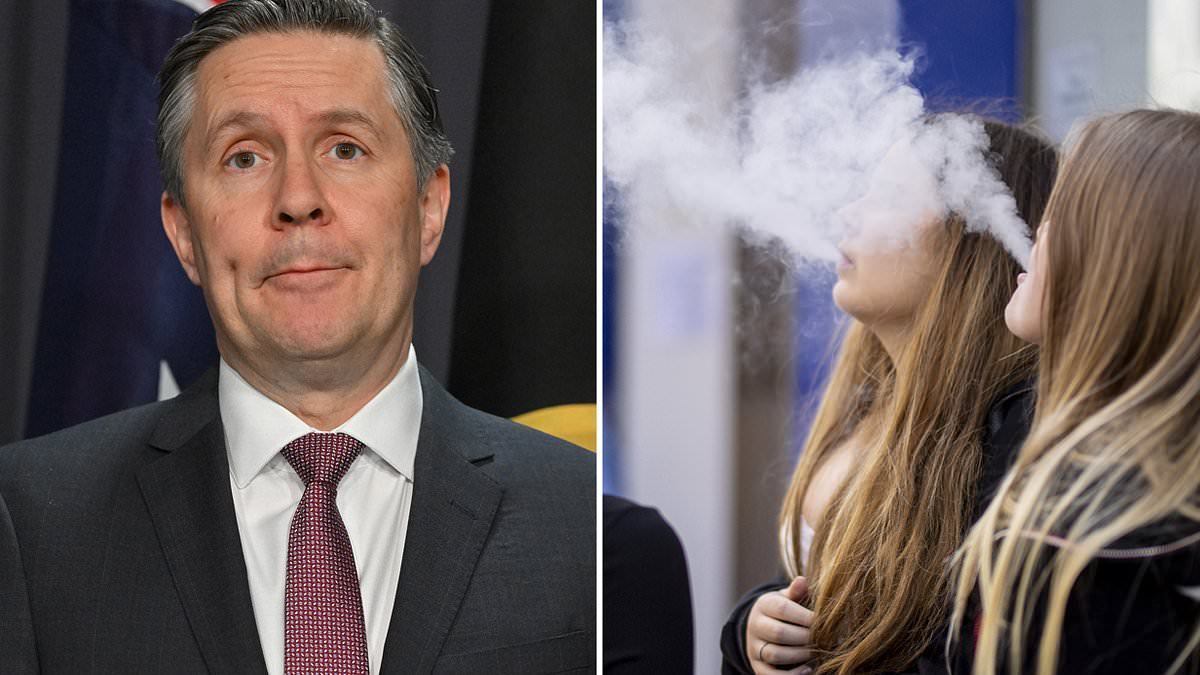
Australian Health Minister, Mark Butler, warns businesses selling illegal e-cigarettes to find other sources of profit.

According to a report from the Daily Mail, Australian Health Minister Mark Butler has issued a warning to retailers who sell illegal e-cigarettes on the market that they will have to find alternative means of making a profit. He has also dismissed the idea of regulating e-cigarettes in a similar manner to tobacco and alcohol.


This warning was issued after the Australian Daily Mail demonstrated the ease of purchasing such prohibited devices, despite Butler implementing an import ban on disposable e-cigarettes on January 1st this year.


As you walk along Sydney's bustling Golden Street in the city center, you will find at least 20 independent and chain stores selling illegal nicotine e-cigarettes, illicit cigarettes, and other related devices. Purchasing an e-cigarette is as effortless as buying a can of soda or a newspaper, often without the need for identification verification. The average price for one e-cigarette is approximately 25 Australian dollars.


Minister Butler informed the Daily Mail Australia that the government will not turn a blind eye to this situation's unfolding. He has instructed businesses in this trade sector to explore alternative avenues for profitability.


E-cigarette stores intentionally setting up near schools is an apparent targeting of children by the industry.


In 2021, in accordance with regulations introduced by the previous Morrison government, the sale of e-cigarettes containing nicotine has been deemed illegal. However, many retailers continue to openly sell these products in illegal ways, with some even incorrectly labeling them as nicotine-free. To address the loopholes in the previous legislation and crack down on the supply of e-cigarettes in convenience stores, Minister Butler implemented a nationwide ban on the importation of disposable e-cigarettes on January 1st. Retailers can still sell existing stock imported prior to January 1st, as long as it is nicotine-free.


Changes in the draft design include the establishment of a new access method that allows doctors and nurses to prescribe therapeutic e-cigarettes for smokers or individuals in need of nicotine dependency control.


However, former federal police officer Rohan Pike has stated that enforcing the import ban on disposable e-cigarettes will prove challenging for the Australian Border Force (ABF), and the black market will continue to thrive.


Criminal gangs are importing e-cigarettes from China and selling them to retailers, thus boosting their profit margins.


Over 90% of e-cigarettes sold in Australia are black-market products.


Brian Marlow, the director of the Australian legal e-cigarette lobbying group, has stated that the import ban simply allows retailers to charge consumers higher prices due to the risks associated with importing and selling these products. He suggests that market restrictions, the establishment of product standards, granting licenses to retailers, and imposing heavy penalties for selling to minors will help eliminate the black market.


Australia should follow the examples of New Zealand, the UK, and other countries worldwide in implementing regulations for e-cigarettes," he said. "We should allow the sale of high-quality e-cigarettes and regulate them in a similar manner as we do with adult-restricted products such as alcohol.


Achieving this would enable adults to access products that are safer than the disposable ones commonly found in China, without being burdened by exorbitant levels of nicotine.


In response to Marlo's suggestion, Minister Butler responded, "The only groups that would benefit from regulating and selling e-cigarettes are those who profit from children becoming addicted to nicotine - big tobacco companies and tobacco retailers.


We welcome news tips, article submissions, interview requests, or comments on this piece.

Please contact us at info@2firsts.com, or reach out to Alan Zhao, CEO of 2Firsts, on LinkedIn


Notice

1.  This article is intended solely for professional research purposes related to industry, technology, and policy. Any references to brands or products are made purely for objective description and do not constitute any form of endorsement, recommendation, or promotion by 2Firsts.

2.  The use of nicotine-containing products — including, but not limited to, cigarettes, e-cigarettes, nicotine pouchand heated tobacco products — carries significant health risks. Users are responsible for complying with all applicable laws and regulations in their respective jurisdictions.

3.  This article is not intended to serve as the basis for any investment decisions or financial advice. 2Firsts assumes no direct or indirect liability for any inaccuracies or errors in the content.

4.  Access to this article is strictly prohibited for individuals below the legal age in their jurisdiction.


Copyright


This article is either an original work created by 2Firsts or a reproduction from third-party sources with proper attribution. All copyrights and usage rights belong to 2Firsts or the original content provider. Unauthorized reproduction, distribution, or any other form of unauthorized use by any individual or organization is strictly prohibited. Violators will be held legally accountable.

For copyright-related inquiries, please contact: info@2firsts.com


AI Assistance Disclaimer


This article may have been enhanced using AI tools to improve translation and editorial efficiency. However, due to technical limitations, inaccuracies may occur. Readers are encouraged to refer to the cited sources for the most accurate information.

We welcome any corrections or feedback. Please contact us at: info@2firsts.com

Russia's State Duma Passes Tobacco and Nicotine Ingredient Disclosure Bill, Targeting 2027 End to Trade-Secret Protection for Certain Harmful Ingredient Data
Russia's State Duma passed a government-sponsored amendment on November 11, 2026, by 414 votes to none, seeking to prevent businesses from classifying information on the presence and number of types of certain harmful ingredients in tobacco and nicotine-containing products as trade secrets. The measure covers ingredients capable of increasing nicotine dependence or exhibiting toxic, carcinogenic, mutagenic or reproductive toxicity, including substances that acquire such properties during heating or smoldering. Bill No. 1286415-8 would amend Article 5 of Federal Law No. 98-FZ on Commercial Secrets and is scheduled to take effect on January 1, 2027. The bill has cleared all three readings in the State Duma but has not completed the remaining legislative procedures.
Regulations
Nov.12 by 2Firsts Perspectives
Malaysia's Poisons Board Backs New Vape Nicotine Exemption After Unanimously Opposing 2023 Proposal
Malaysia's Poisons Board has endorsed Health Minister Dzulkefly Ahmad's proposal to exempt liquid nicotine used in vaping products from the Poisons List, according to a November 2, 2026, report by CodeBlue. The Board unanimously opposed a similar proposal in 2023, but the government proceeded with the exemption. The Kuala Lumpur High Court invalidated the 2023 decision in May 2026, and the government withdrew its appeal in August. No new ministerial order has been published. The development raises questions about the interaction between Malaysia's two regulatory frameworks and the treatment of RM354.51 million in excise duties collected on e-cigarette and vape products between May 2023 and June 11, 2026.
Regulations
Nov.03
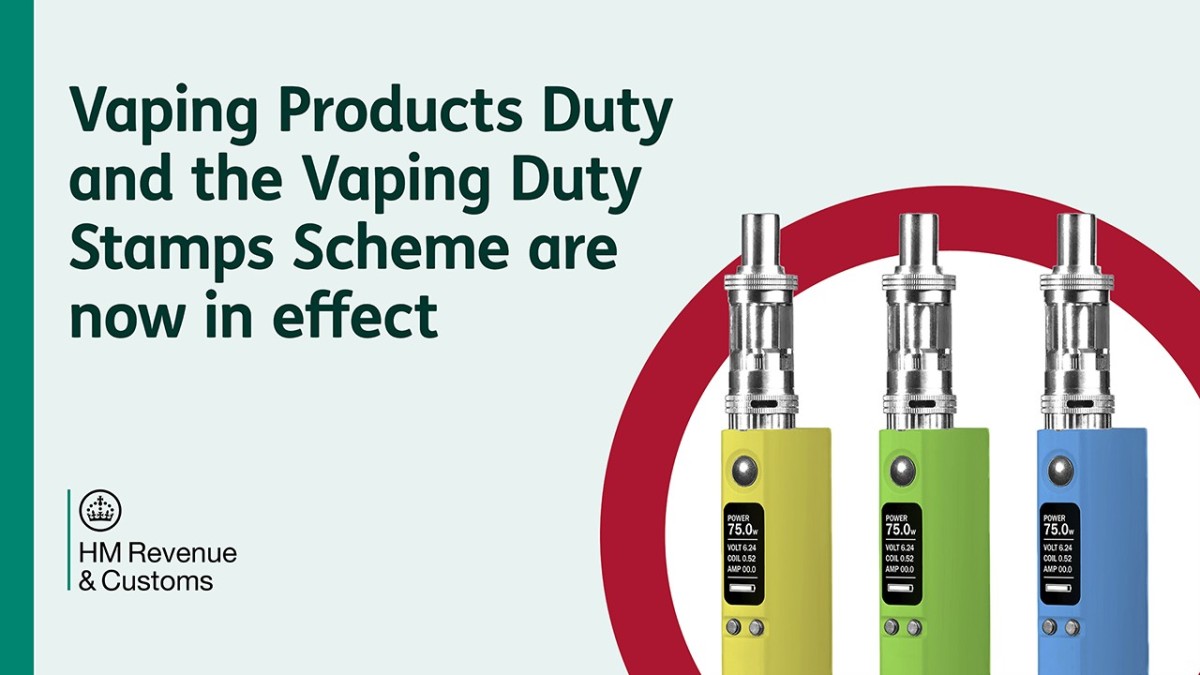
UK HMRC Launches Vape Duty Stamps on October 1, Ushering in Supply-Chain Traceability as Chinese Exporters Face New Compliance Hurdles
HM Revenue & Customs put the UK's Vaping Products Duty and Vaping Duty Stamps Scheme into effect on October 1. All vaping liquids manufactured in or imported into the UK are now subject to duty at £2.20 per 10ml, regardless of nicotine content. The stamp regime will introduce digital functionality designed to provide traceability throughout the supply chain, with approved manufacturers, importers and warehousekeepers required to report product movements and retailers and consumers eventually able to scan stamps to verify authenticity. China exported $177 million of vape-related products to the UK in August, up 51.4% year over year, increasing the significance of the new compliance regime for China's Shenzhen-centered vape supply chain.
Regulations
Oct.04
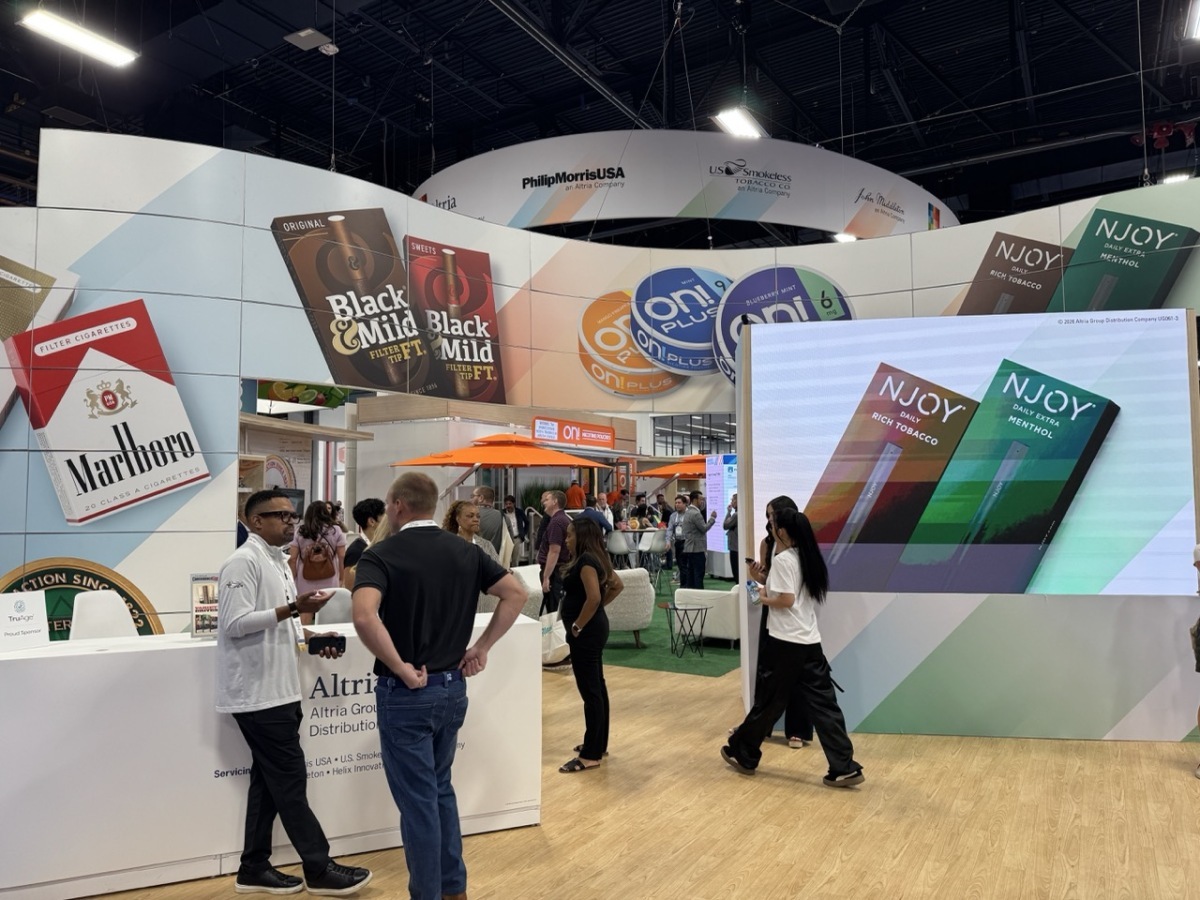
Special Report | Altria's NACS Booth Raises Questions Over U.S. Tobacco Advertising Warnings
During its coverage of Altria's booth at NACS Show 2026, 2Firsts documented product displays that prompted questions about U.S. tobacco advertising warning requirements. Following public comments from a former FDA official, 2Firsts sought responses from Altria and independently consulted U.S. regulatory lawyer Azim Chowdhury. Altria maintained that its B2B communications complied with applicable laws, while Chowdhury explained that federal warning rules provide no general trade-show exemption for e-cigarettes and nicotine pouches. The special report examines the broader regulatory implications.
Nov.04
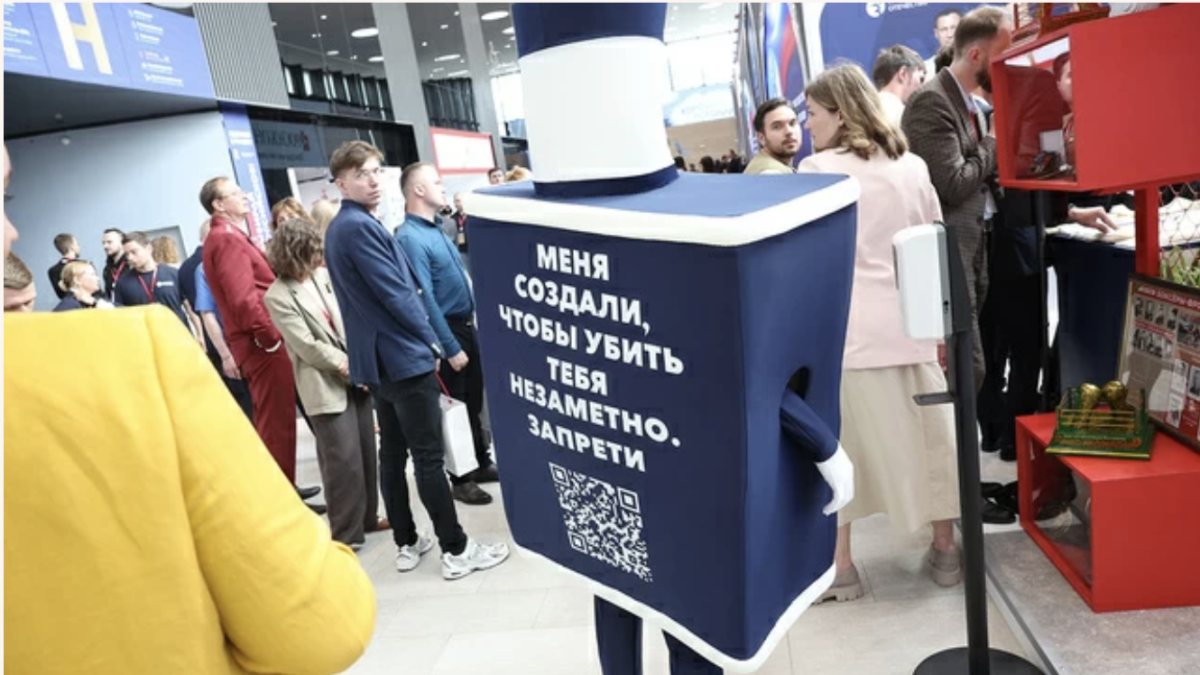
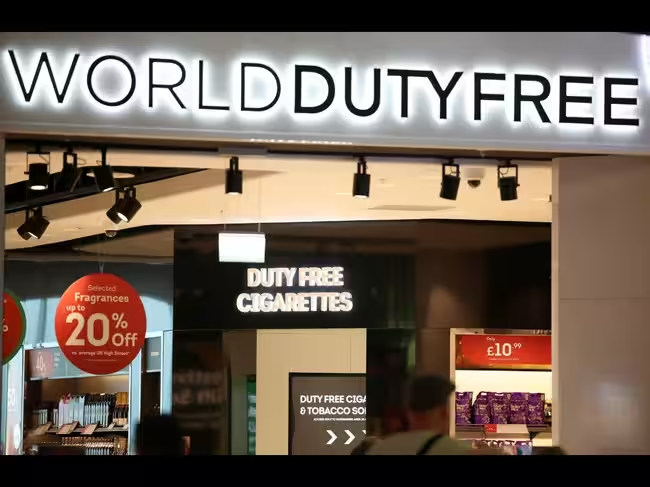
India Duty-Free Nicotine Pouch Sales Face Regulatory Test as ZYN, FOX Classification Remains Open
The Bombay High Court has ruled that airport duty-free shops are not exempt from India's domestic regulatory laws merely because they operate beyond the customs barrier, leaving in place a sales halt covering ZYN and FOX nicotine pouches at Mumbai's international airport. The court, however, did not determine that the products necessarily qualify as "drugs" under India's Drugs and Cosmetics Act. The retailers have four weeks to submit product information to the appropriate authorities, including CDSCO, which must complete its review within 30 days of receiving the submissions.
Sep.24
South Korea Constitutional Court Upholds Volume-Based E-Liquid Tax, With Challenged Rates at KRW 370 and KRW 628 per Milliliter
South Korea's Constitutional Court has upheld fixed taxes on nicotine-containing e-cigarette liquids based on solution volume, ruling that challenged provisions imposing KRW 370 per milliliter in individual consumption tax and KRW 628 per milliliter in tobacco consumption tax do not violate the Constitution. The cases stemmed from historical disputes involving importers that reported nicotine as being extracted from tobacco stems rather than leaves. South Korea has since broadened its tobacco definition to include synthetic nicotine, while current tax laws provide reduced rates for certain products not derived from tobacco.
Sep.18