Key Points
- BAT called for greater retailer participation in future nicotine regulation discussions.
- The company said retailers provide valuable consumer and market feedback.
- The UK vape market is undergoing multiple regulatory changes.
- Disposable vape restrictions and Vaping Products Duty are increasing compliance requirements.
- Communication among regulators, businesses and retailers is becoming a key industry issue.
2Firsts
July 29, 2026
According to UK retail publication Talking Retail, British American Tobacco (BAT) has called for greater retailer involvement in shaping future nicotine product regulations, arguing that frontline market feedback should play a larger role in policy discussions.
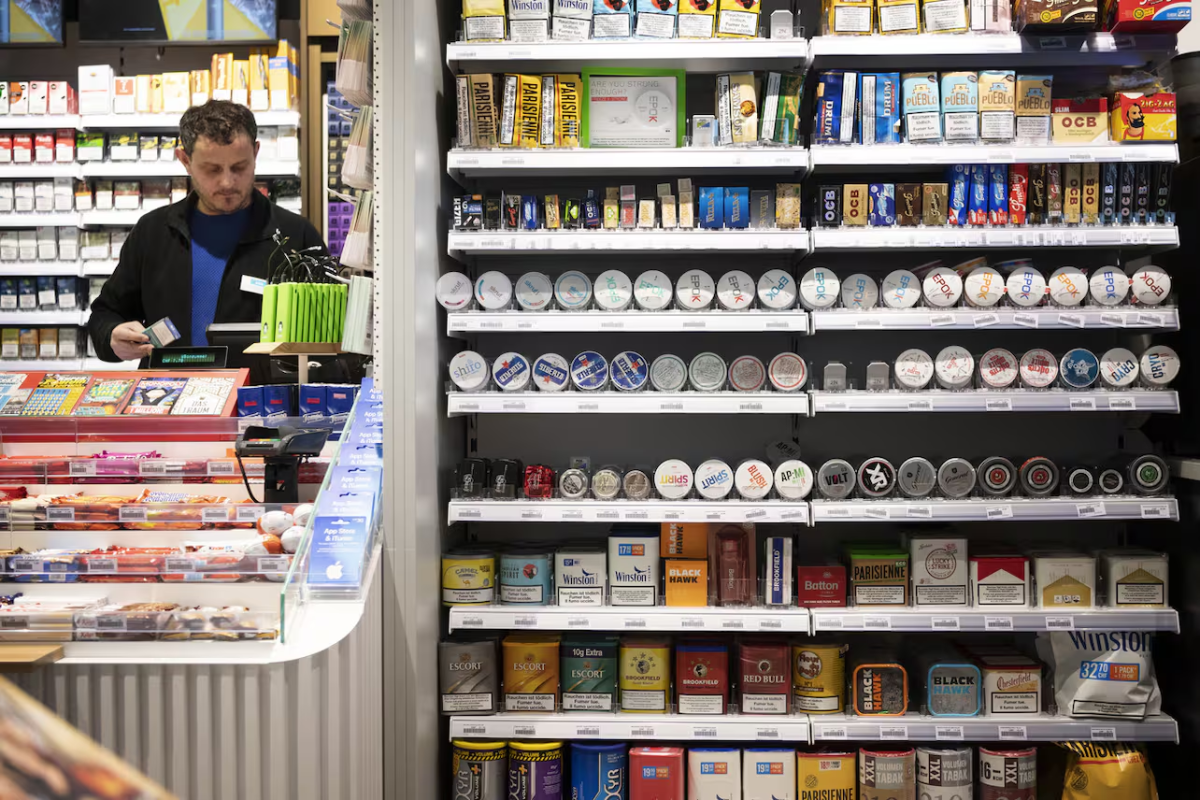
BAT said retailers are closest to consumers and market developments, providing valuable insight into product demand, consumer behavior and regulatory implementation challenges.
The comments come as the UK nicotine market continues to undergo regulatory changes, including the disposable vape ban, Vaping Products Duty and efforts to address illicit vape sales.
BAT Calls for Retailer Participation in Future Rules
BAT said future nicotine regulations should incorporate more feedback from retailers operating at the consumer level.
The company argued that retailers can provide practical insight into how regulations affect purchasing behavior, product availability and compliance challenges.
For BAT, involving retailers earlier in the policy process could improve the practicality and effectiveness of regulatory measures.
The views represent BAT’s position and do not constitute UK government policy decisions.
UK Nicotine Market Faces Ongoing Regulatory Changes
The UK vape market has undergone several major regulatory developments in recent years.
The government has implemented restrictions on disposable vapes and moved forward with Vaping Products Duty policies. Regulators have also continued efforts to address illicit vape products entering the market.
These changes have affected retail operations.
Legal retailers must adapt to evolving product requirements, tax changes and compliance responsibilities.
Retailers Become Key Part of Regulatory Implementation
As nicotine regulation expands, retailers are playing a more important role in policy implementation.
Retailers not only sell products but also provide consumer information, support compliance checks and offer market feedback.
BAT argued that incorporating retailer perspectives during rule development could help regulators identify practical challenges before policies are implemented.
For regulators, balancing public health goals, market oversight and legitimate business operations remains a key challenge.
Industry and Regulators Debate Future Nicotine Rules
BAT has continued engaging in UK nicotine market discussions, including issues related to illicit product enforcement, retailer compliance and consumer protection.
The company’s latest comments reflect broader industry efforts to influence how future nicotine regulations are designed and implemented.
As the UK continues adjusting its framework for vapes and other nicotine products, cooperation among regulators, businesses and retailers may become an important factor shaping future rules.
Follow 2Firsts for the latest updates on global tobacco and nicotine regulation, industry developments and market trends.
Cover Image source: Talking Retail
Disclaimer
This article is provided solely for professional research, industry discussion, and informational purposes. Any references to brands, companies, products, technologies, or policies are made for factual reporting and analytical purposes only, and do not constitute endorsement, recommendation, promotion, or advertising by 2Firsts.
Nicotine-containing products, including but not limited to cigarettes, e-cigarettes, heated tobacco products, and nicotine pouches, carry significant health risks. Readers are responsible for complying with all applicable laws and regulations in their respective jurisdictions, including age restrictions and access limitations.
The information contained in this article should not be regarded as investment, legal, medical, regulatory, or commercial advice. While 2Firsts strives to ensure the accuracy and reliability of its content, it does not assume liability for any direct or indirect loss arising from errors, omissions, inaccuracies, or reliance on the information contained herein.
This article is not intended for individuals below the legal age for accessing tobacco or nicotine-related information in their jurisdiction.
Copyright Notice
This article is either original content produced by 2Firsts or content reproduced, translated, summarized, or adapted from third-party sources with attribution where applicable. The intellectual property rights of the original content remain with 2Firsts or the respective original rights holders.
No individual or organization may copy, reproduce, distribute, republish, modify, translate, or otherwise use this content without prior authorization. Any unauthorized use may result in legal action.
For copyright-related inquiries, corrections, or removal requests, please contact: info@2firsts.com.
AI-Assisted Translation and Editing Notice
Portions of this article may have been translated, edited, or reviewed with the assistance of artificial intelligence tools to improve efficiency and readability. Due to the limitations of AI-assisted translation and editing, discrepancies, omissions, or inaccuracies may exist when compared with the original source.
Where applicable, readers are advised to refer to the original source for the most complete and accurate information. If you identify any errors or believe that any content infringes upon your rights, please contact us at info@2firsts.com, and we will review and address the matter promptly.