Key Points
- Lawmaker Jeong Jin-wook has repeatedly called for stronger investigations into synthetic nicotine vape businesses.
- The dispute centers on nicotine sources, product labeling, tax regulation and supply-chain transparency.
- Allegations regarding business practices have not been fully confirmed by authorities.
- South Korea expanded tobacco definitions in 2026 to include synthetic nicotine products.
- Government agencies said some tax loss estimates cannot currently be verified.
2Firsts
July 27, 2026
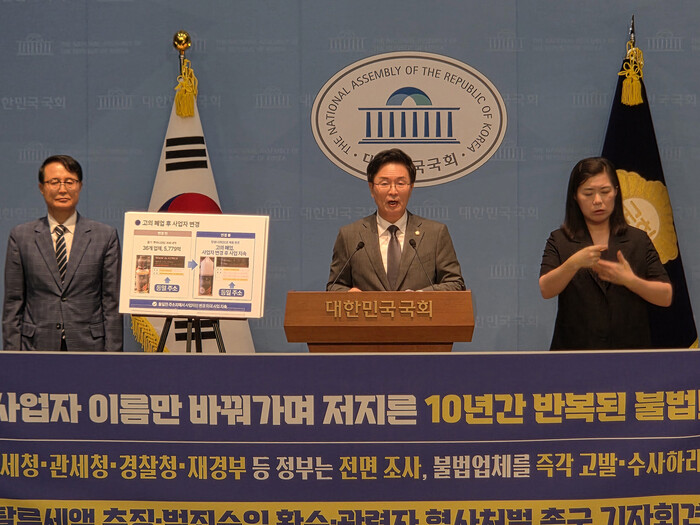
South Korea’s debate over synthetic nicotine vape regulation is intensifying, with lawmaker Jeong Jin-wook calling for stronger government investigations into liquid synthetic nicotine vape manufacturers and sellers.
According to Newsfreezone, JNILBO and other Korean reports, Jeong held his third press conference on the issue following previous statements on June 23 and July 14.
Jeong alleged that some companies may have avoided regulation through changes in product labeling, corporate structures and reported ingredient information. He called for a coordinated investigation involving government agencies, customs authorities, tax officials and police.
The allegations remain claims made by the lawmaker and his office, and have not been fully confirmed by government investigations or judicial findings.
South Korea’s Synthetic Nicotine Vape Debate Continues
The central issue in South Korea’s synthetic nicotine vape debate is whether synthetic nicotine products should be regulated as tobacco products.
For years, some liquid vape products using synthetic nicotine existed in a regulatory gray area, creating disputes over whether they fell under the country’s tobacco regulations.
South Korea implemented amendments to its Tobacco Business Act on April 24, 2026, expanding the definition of tobacco products to include synthetic nicotine.
Jeong argued that some businesses previously used different product descriptions to avoid tobacco taxes and regulatory requirements.
Lawmaker Raises Concerns Over Label Changes
At his July 23 press conference, Jeong said some companies had changed product descriptions over time to avoid regulation.
According to his claims, products shifted from high-concentration nicotine liquids to so-called stem nicotine, synthetic nicotine and similar nicotine substances.
Jeong argued that such changes may have been used to avoid regulatory obligations.
He also alleged that some businesses continued operating after enforcement actions by changing company names or business entities.
These claims have not yet been fully verified by authorities.
Tax Loss Estimates Remain Disputed
Tax implications are another major part of the controversy.
Jeong previously claimed that the market could involve more than 16 trillion won (approximately US$11 billion) in lost tax revenue and urged government investigations.
However, South Korean finance and customs authorities said the estimate could not be verified because official sales statistics for synthetic nicotine products were unavailable before regulatory changes.
Government agencies said they had continued strengthening oversight through import declarations and ingredient analysis.
Customs Cases Increase Regulatory Attention
South Korea has previously investigated cases involving nicotine source declarations.
According to data obtained by lawmaker Kim Young-joo from the Korea Customs Service, authorities identified 110 product cases between November 2022 and July 2023 involving alleged false declarations of natural nicotine as synthetic nicotine.
The products totaled 449,100 milliliters.
South Korean authorities have said they have used ingredient analysis and import reviews to strengthen identification of nicotine product sources.
Synthetic Nicotine Rules Raise Supply Chain Requirements
As South Korea expands tobacco regulation, vape companies may face higher supply-chain transparency requirements.
Future regulatory attention may focus on:
nicotine sources;
ingredient documentation;
import declarations;
product labeling;
manufacturer information.
For companies relying on cross-border vape supply chains, transparency around raw materials and production processes is becoming increasingly important.
South Korea’s Vape Market Moves Toward Stricter Compliance
South Korea’s synthetic nicotine debate reflects a broader global trend in vape regulation.
Regulators are increasingly moving beyond sales controls and consumer protection toward questions including:
who manufactures products;
where ingredients originate;
how products enter markets;
whether companies meet tax and regulatory obligations.
For vape companies, future competitiveness will depend not only on product innovation but also on supply-chain management and compliance capabilities.
Whether South Korea will establish a dedicated investigation body or introduce additional enforcement measures remains to be seen.
Follow 2Firsts for the latest updates on global tobacco and nicotine regulation, industry developments and market trends.
Cover Image source: newsfreezone