Key Points
- The Ohio Supreme Court is reviewing a case involving flavored vape sales.
- The dispute centers on whether states can use consumer protection laws to regulate unauthorized vape products.
- Ohio officials argue such sales raise consumer protection concerns.
- Retailers argue vape regulation is primarily a federal matter under FDA authority.
- The ruling could influence state-level vape regulatory approaches.
2Firsts
August 6, 2026
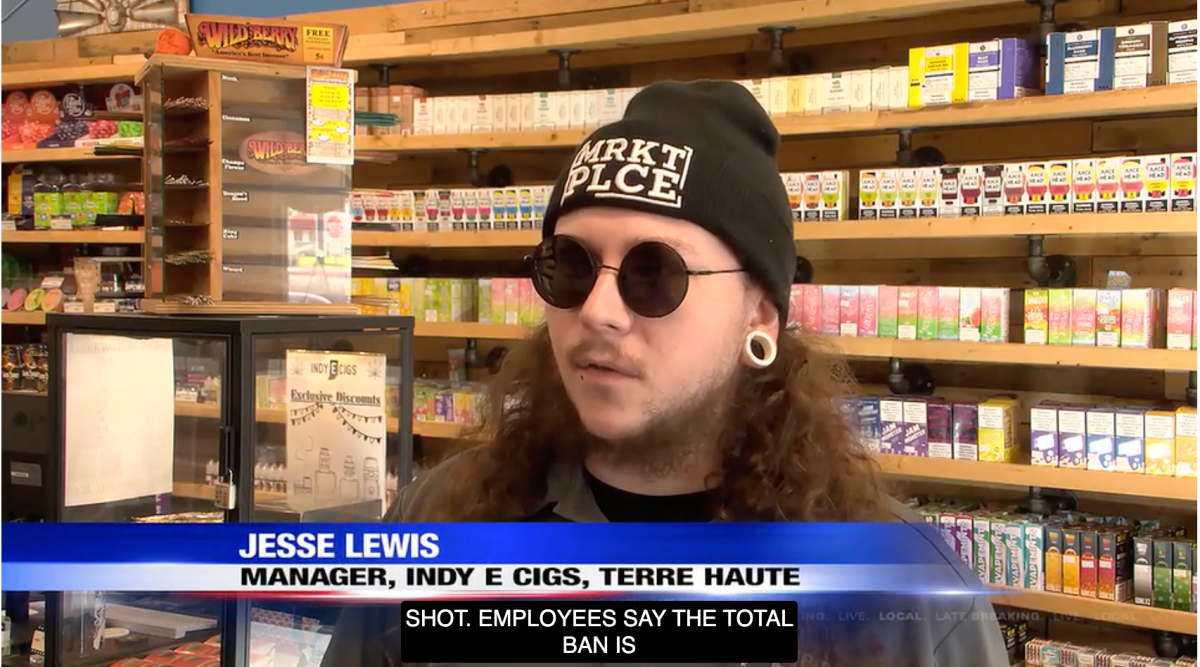
According to U.S. media outlets NBC4 Columbus and Signal Ohio, the Ohio Supreme Court is hearing a case involving flavored vape sales, with the dispute focused on whether state authorities can use consumer protection laws to take action against retailers selling unauthorized vape products.
The case involves the Ohio Attorney General’s Office and vape retailers. The dispute centers on federal tobacco regulatory authority, the scope of state consumer protection laws and the sale of vape products that have not received authorization from the U.S. Food and Drug Administration (FDA).
The court has not issued a final ruling.
Ohio Supreme Court Reviews Flavored Vape Sales Dispute
The case involves legal action taken by Ohio authorities against vape retailers.
Ohio officials argue that some retailers sold flavored vape products that had not received FDA authorization and that such sales may involve consumer deception.
The retailers involved include:
- Central Tobacco and Stuff in Delaware County, among others.
Retailers argue that regulation of vape products falls under federal tobacco authority and that states cannot create additional requirements through consumer protection laws.
State Authority vs Federal Tobacco Regulation
The central legal question is:
Whether state consumer protection laws can be used to restrict sales of unauthorized vape products.
Ohio officials argue that consumers are entitled to accurate information and that selling unauthorized products may raise consumer protection concerns.
Retailers argue that tobacco product regulation is primarily governed by the FDA under the Family Smoking Prevention and Tobacco Control Act, and that state actions may be limited by federal law.
The dispute involves the legal principle of federal preemption, which determines whether federal law limits state regulatory actions.
Flavored Vapes and FDA Authorization Rules
The case is linked to the U.S. regulatory framework for vape products.
Under current U.S. rules, vape manufacturers generally need FDA authorization before products can be legally marketed.
Ohio officials argue that unauthorized products should not remain on the market.
Supporters of state action argue that stronger oversight of flavored vapes may help reduce youth access to nicotine products.
Retailers, however, warn that expanding state enforcement authority could further reduce the range of products available to legal businesses.
Ruling Could Shape State Vape Regulation
The outcome of the case could have implications beyond Ohio.
A ruling supporting the state’s position could expand states’ ability to use consumer protection laws in vape enforcement.
A ruling supporting retailers could limit states’ ability to impose additional restrictions outside the federal tobacco regulatory framework.
As U.S. states continue developing different approaches to vape regulation, the case will be closely watched as a test of the relationship between state authority and federal tobacco oversight.
Follow 2Firsts for the latest updates on global tobacco and nicotine regulation, industry developments and market trends.
Cover Image source: Signal Ohio
Disclaimer
This article is provided solely for professional research, industry discussion, and informational purposes. Any references to brands, companies, products, technologies, or policies are made for factual reporting and analytical purposes only, and do not constitute endorsement, recommendation, promotion, or advertising by 2Firsts.
Nicotine-containing products, including but not limited to cigarettes, e-cigarettes, heated tobacco products, and nicotine pouches, carry significant health risks. Readers are responsible for complying with all applicable laws and regulations in their respective jurisdictions, including age restrictions and access limitations.
The information contained in this article should not be regarded as investment, legal, medical, regulatory, or commercial advice. While 2Firsts strives to ensure the accuracy and reliability of its content, it does not assume liability for any direct or indirect loss arising from errors, omissions, inaccuracies, or reliance on the information contained herein.
This article is not intended for individuals below the legal age for accessing tobacco or nicotine-related information in their jurisdiction.
Copyright Notice
This article is either original content produced by 2Firsts or content reproduced, translated, summarized, or adapted from third-party sources with attribution where applicable. The intellectual property rights of the original content remain with 2Firsts or the respective original rights holders.
No individual or organization may copy, reproduce, distribute, republish, modify, translate, or otherwise use this content without prior authorization. Any unauthorized use may result in legal action.
For copyright-related inquiries, corrections, or removal requests, please contact: info@2firsts.com.
AI-Assisted Translation and Editing Notice
Portions of this article may have been translated, edited, or reviewed with the assistance of artificial intelligence tools to improve efficiency and readability. Due to the limitations of AI-assisted translation and editing, discrepancies, omissions, or inaccuracies may exist when compared with the original source.
Where applicable, readers are advised to refer to the original source for the most complete and accurate information. If you identify any errors or believe that any content infringes upon your rights, please contact us at info@2firsts.com, and we will review and address the matter promptly.