Key Points
- From September 1, 2026, market participants handling covered vape devices must register with the Chestny ZNAK digital labeling system.
- From December 1, newly manufactured or imported reusable e-cigarettes and similar devices must carry mandatory digital codes and be reported into circulation.
- Chestny ZNAK issued additional import guidance in early September covering registration, system access and labeling procedures for imported products.
- The rules focus on reusable vaping devices and should not be described as a single new labeling mandate for all vape products; some liquids and other nicotine products are already covered by separate labeling requirements.
2Firsts
September 15, 2026
Russia's digital labeling regime for reusable e-cigarettes and similar personal vaping devices entered its first mandatory implementation phase in September 2026.
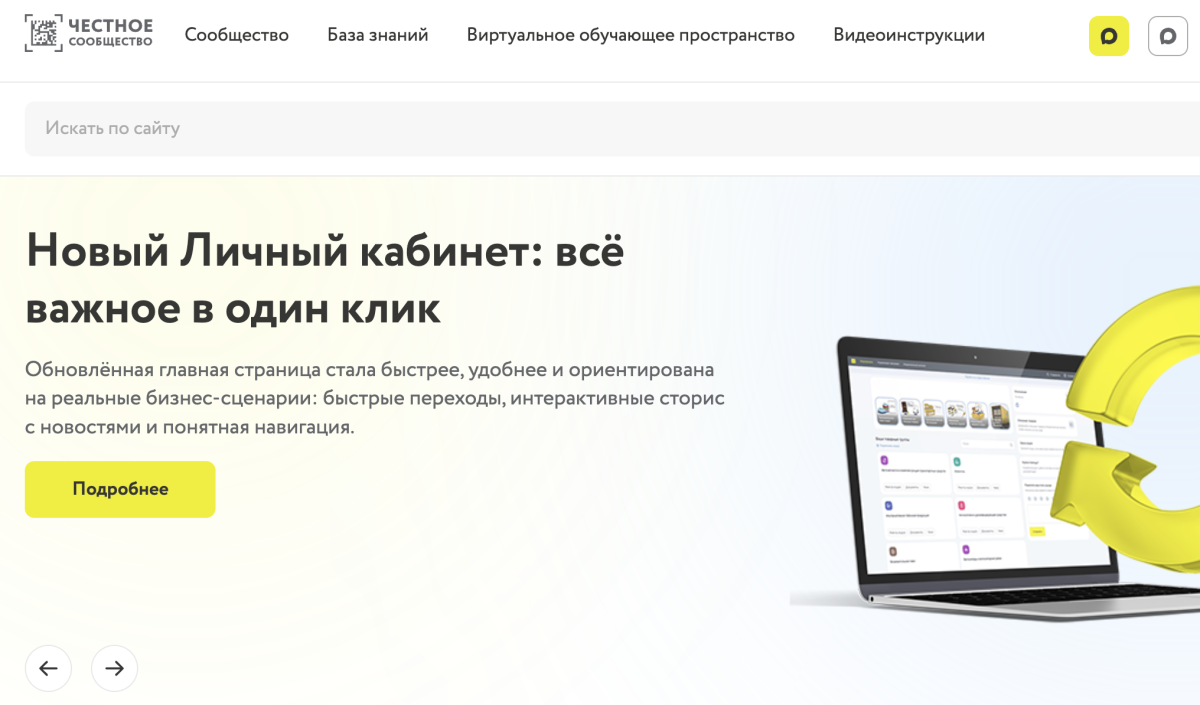
Under the implementation timetable published by Russia's national Chestny ZNAK digital tracking system, manufacturers, importers and other relevant market participants have been required to register with the system since September 1.
From December 1, newly manufactured and imported covered devices will be subject to mandatory digital labeling and reporting when placed into circulation.
The change marks the transition from Russia's earlier voluntary pilot for vaping-device labeling to a phased mandatory regime.
Registration Begins in September, Product Coding in December
The latest rules cover e-cigarettes and similar reusable personal electronic vaporization devices, which have been added to Russia's digital labeling framework for radio-electronic products.
Implementation is being introduced in stages.
From September 1, 2026, manufacturers, importers and other relevant businesses must register with Chestny ZNAK and complete the necessary technical connections.
From December 1, newly manufactured or imported covered vaping devices must carry the required digital identification code and be reported into circulation.
September 1 therefore marks the start of mandatory participation in the system rather than the date on which all covered products immediately became subject to physical labeling requirements.
Russia Issues Import Guidance as Implementation Begins
Following the start of mandatory registration, Chestny ZNAK issued additional operational guidance in early September for products manufactured outside Russia.
Under the guidance, importers, as the first owners of imported goods after they enter the Russian market, are required to register with the system, complete relevant agreements and follow the prescribed process for labeling and reporting imported products.
The guidance shows that implementation has moved beyond the legislative and scheduling stage into practical onboarding for companies and importers.
Foreign manufacturers and their Russian import partners will now need to prepare system accounts, product information, code ordering and import-data processes ahead of the December labeling requirement.
Tracking Requirements Expand Further in 2027
Russia is phasing in the broader traceability requirements through 2027.
From June 1, 2027, mandatory reporting of information during product circulation will expand.
From December 1, 2027, reporting on products leaving circulation will also become mandatory.
Transition arrangements apply to some unlabeled inventory manufactured or imported before December 1, 2026. Certain goods purchased before that date but released by customs later may also be eligible for post-import labeling within specified deadlines.
The framework therefore goes beyond a one-time labeling requirement and establishes a digital traceability system covering registration, production or import, market circulation and eventual withdrawal from circulation.
From Voluntary Pilot to Mandatory Regime
Russia began preparing the framework well before the September 2026 implementation date.
In July 2025, reusable e-cigarettes and similar devices entered a voluntary Chestny ZNAK labeling pilot.
Authorities later considered mandatory timelines and extended the pilot period to give businesses more time to adapt technical systems and operating processes.
In May 2026, the Russian government formally adopted Resolution No. 577, bringing covered vaping devices into the mandatory labeling framework and establishing the phased implementation that begins with registration in September and product coding in December.
2Firsts previously reported on the voluntary pilot and earlier regulatory proposals.
The main development in September is that the voluntary preparation phase has now given way to legally required registration and technical onboarding.
New Rules Extend Digital Tracking to the Device Side
The latest mandatory expansion primarily targets reusable vaping devices and similar personal electronic vaporization systems.
It should therefore not be described as a blanket requirement that all vaping products in Russia became newly subject to labeling in September.
Russia already has separate digital labeling requirements covering certain tobacco, vaping-liquid and nicotine-related product categories. The latest rules extend that broader tracking framework to vaping hardware.
The change forms part of Russia's wider effort to bring tobacco and nicotine products under digital product-identification and circulation controls.
Russia has also been tightening other tobacco and nicotine rules in 2026, including measures covering online sales, minimum pricing and market circulation.
With mandatory product coding due to begin in December, importers, distributors and device brands will increasingly need to incorporate Chestny ZNAK compliance into their Russian market-entry and supply-chain processes.
Follow 2Firsts for timely updates on global tobacco and nicotine regulations, market developments and industry trends.
Cover Image: Chestny ZNAK
Disclaimer
This article is provided solely for professional research, industry discussion, and informational purposes. Any references to brands, companies, products, technologies, or policies are made for factual reporting and analytical purposes only, and do not constitute endorsement, recommendation, promotion, or advertising by 2Firsts.
Nicotine-containing products, including but not limited to cigarettes, e-cigarettes, heated tobacco products, and nicotine pouches, carry significant health risks. Readers are responsible for complying with all applicable laws and regulations in their respective jurisdictions, including age restrictions and access limitations.
The information contained in this article should not be regarded as investment, legal, medical, regulatory, or commercial advice. While 2Firsts strives to ensure the accuracy and reliability of its content, it does not assume liability for any direct or indirect loss arising from errors, omissions, inaccuracies, or reliance on the information contained herein.
This article is not intended for individuals below the legal age for accessing tobacco or nicotine-related information in their jurisdiction.
Copyright Notice
This article is either original content produced by 2Firsts or content reproduced, translated, summarized, or adapted from third-party sources with attribution where applicable. The intellectual property rights of the original content remain with 2Firsts or the respective original rights holders.
No individual or organization may copy, reproduce, distribute, republish, modify, translate, or otherwise use this content without prior authorization. Any unauthorized use may result in legal action.
For copyright-related inquiries, corrections, or removal requests, please contact: info@2firsts.com.
AI-Assisted Translation and Editing Notice
Portions of this article may have been translated, edited, or reviewed with the assistance of artificial intelligence tools to improve efficiency and readability. Due to the limitations of AI-assisted translation and editing, discrepancies, omissions, or inaccuracies may exist when compared with the original source.
Where applicable, readers are advised to refer to the original source for the most complete and accurate information. If you identify any errors or believe that any content infringes upon your rights, please contact us at info@2firsts.com, and we will review and address the matter promptly.