U.S. Expands Illicit Vape Enforcement as ATF Brings PACT Act Powers Into Trade Fraud Task Force

News
Sep.28
U.S. Expands Illicit Vape Enforcement as ATF Brings PACT Act Powers Into Trade Fraud Task Force
The U.S. Bureau of Alcohol, Tobacco, Firearms and Explosives said on September 23 that it has joined the interagency Trade Fraud Task Force to strengthen enforcement against illegal, misdeclared and smuggled vape and tobacco products. ATF will bring its authority under the Prevent All Cigarette Trafficking Act into the task force, including registration, reporting, shipping and record-inspection requirements covering interstate sales of electronic nicotine delivery systems. ATF said the move will strengthen its ability to trace illicit products from U.S. points of entry through domestic trafficking and distribution networks.

Key Points

  • ATF joined the Trade Fraud Task Force on September 23 to help target illegal, misdeclared and smuggled vape and tobacco products.
  • ATF enforces PACT Act registration, reporting, shipping and recordkeeping requirements for interstate ENDS sales and maintains the PACT Act non-compliant list.
  • ATF Director Rob Cekada specifically referenced “illicit Chinese vapes,” although the announcement did not identify specific brands, companies or new enforcement cases.
  • ATF's move comes as CBP separately considers collecting foreign export documentation to increase visibility into U.S. import supply chains.

2Firsts

September 28, 2026

The U.S. Bureau of Alcohol, Tobacco, Firearms and Explosives said on September 23 that it has joined the interagency Trade Fraud Task Force to help combat illegal, misdeclared and smuggled vape, nicotine and tobacco products entering U.S. commerce.

ATF said its participation will allow the task force to use the agency's statutory authority under the Prevent All Cigarette Trafficking Act, or PACT Act, to trace illicit tobacco and vape products from U.S. points of entry through domestic trafficking and distribution networks.

ATF Brings PACT Act Authority Into Joint Enforcement

The Trade Fraud Task Force was launched in August 2025 by the Department of Justice and Homeland Security Investigations to identify and dismantle schemes involving false customs declarations, mislabeled shipments and other practices used to evade U.S. import requirements.

ATF's participation adds its enforcement authority over interstate sales of tobacco products and electronic nicotine delivery systems, or ENDS.

Congress enacted the PACT Act in 2010 and expanded its coverage to ENDS in 2021.

Businesses that sell or advertise covered products in interstate commerce are required to register with ATF and applicable state or local tobacco-tax authorities.

Applicable sellers must also submit monthly shipment reports to state or local tax administrators in jurisdictions where covered products were shipped.

Delivery sellers are subject to applicable labeling, shipping, recordkeeping and age-verification requirements, as well as state and local licensing, regulatory and tax laws.

ATF also maintains a PACT Act non-compliant list. Carriers and other delivery services covered by the law are prohibited from delivering covered products on behalf of entities placed on the list.

ATF also has authority to inspect relevant records and refer violations for criminal prosecution.

Enforcement Reaches Domestic Distribution Networks

ATF said its participation will strengthen the task force's ability to trace illicit vape and tobacco products from points of entry into domestic trafficking networks.

The Trade Fraud Task Force's mandate covers importers, customs brokers, downstream distributors, commercial end-users and other supply-chain participants. Its enforcement priorities include false declarations, transshipment, mislabeling and duty evasion.

The Justice Department said in July that the task force had surpassed $1 billion in civil and criminal recoveries, penalties, forfeitures and publicly charged losses less than a year after its launch.

The figure covers trade-fraud matters across industries and is not specific to illicit vape enforcement.

ATF's participation brings its registration, reporting, shipping, delivery and record-inspection authority for ENDS into the task force's enforcement framework.

ATF Director References 'Illicit Chinese Vapes'

ATF Director Rob Cekada said the joint effort would target criminal networks profiting from trade fraud and specifically referenced “illicit Chinese vapes” among the products the agency is seeking to remove from the U.S. market.

The September 23 announcement did not identify individual Chinese manufacturers, vape brands, importers or distributors, and it did not announce a new seizure or prosecution linked directly to ATF joining the task force.

ATF also cited industry estimates indicating that unauthorized products account for a majority of U.S. e-cigarette sales, with most manufactured overseas and entering domestic distribution chains.

The agency did not identify the source or provide a specific percentage for those estimates in its announcement.

CBP Is Also Considering Broader Import Documentation

ATF's announcement comes as U.S. Customs and Border Protection separately considers collecting more foreign export and supply-chain documentation.

CBP issued an advance notice of proposed rulemaking on September 2 considering requirements that could include foreign export documentation submitted by exporters to customs authorities in their home countries, along with measures to collect more information on parties involved in U.S. imports and trace imported-goods supply chains.

CBP said the proposal is intended to improve its ability to identify illicit imports, particularly goods transshipped to evade U.S. customs and trade requirements.

The proposal remains under consultation and has not been adopted as a final rule.

China Customs data previously analyzed by 2Firsts showed that China exported about $1.98 billion of vape and related products to the U.S. during the first seven months of 2026, up 8.4% year over year. July exports totaled about $404.2 million, up 53.5%.

The Chinese customs data reflect declared exports and do not indicate whether individual products have FDA marketing authorization.

ATF and FDA Have Separate Regulatory Roles

ATF's participation in the Trade Fraud Task Force does not change the Food and Drug Administration's responsibility for tobacco-product market authorization.

FDA oversees marketing authorization and related tobacco-product regulation.

ATF enforces PACT Act requirements covering registration, reporting, shipping, delivery and recordkeeping for interstate ENDS sales, while the Trade Fraud Task Force investigates false import declarations, mislabeling, transshipment, duty evasion and other forms of trade fraud.

ATF's entry brings those domestic shipping and distribution authorities into the task force's joint enforcement work.

Follow 2Firsts for updates on U.S. vape regulation, cross-border trade and supply-chain enforcement.

Cover Image generated by AI
2FIRSTS | DOJ Trade Fraud Task Force Tops $1 Billion in Cases, Putting Vape Supply Chains at Risk of Fraud Enforcement
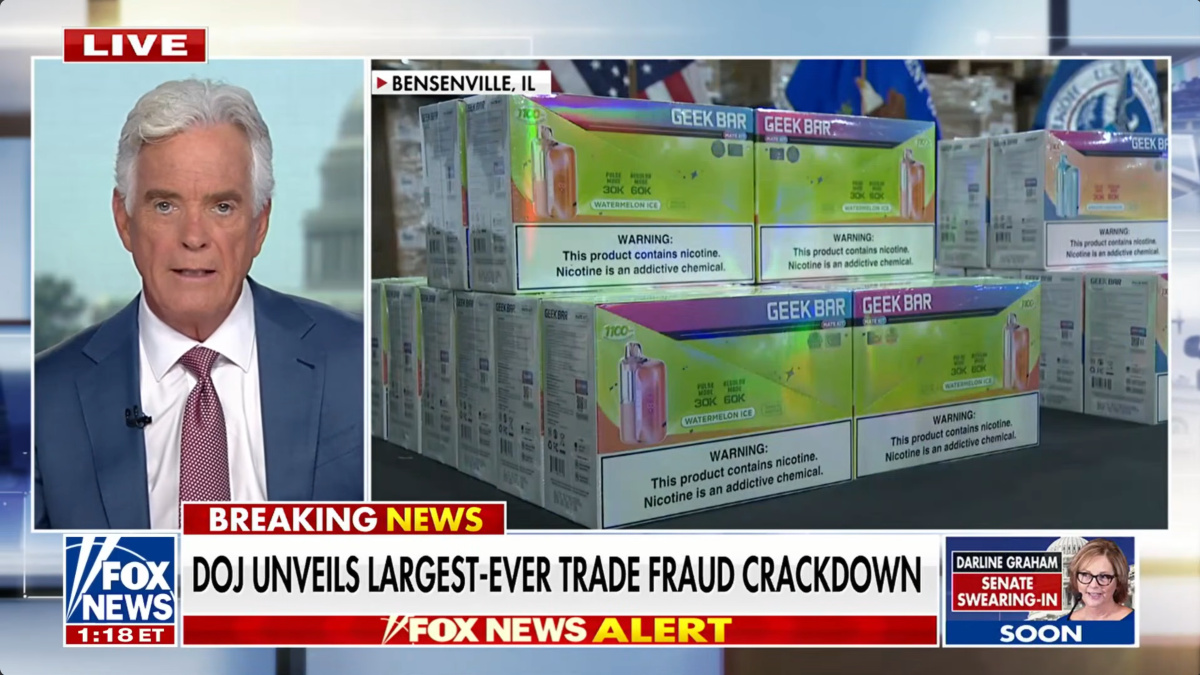
According to the U.S. Department of Justice (DOJ), Fox News and other reports, the DOJ’s Trade Fraud Task Force (TFTF) has been linked to more than $1 billion in recoveries, penalties, forfeitures and publicly charged losses in less than one year. The task force focuses on trade fraud issues including country-of-origin fraud, illegal transshipment, false declarations and tariff evasion. While vape products are not the main source of the $1 billion figure, the industry’s reliance on global manufacturing and cross-border supply chains places it within broader U.S. trade enforcement scrutiny. The development suggests that U.S. oversight of cross-border vape products may increasingly extend beyond product authorization into import compliance, supply-chain transparency and corporate accountability.
www.2firsts.com

Australia Adds 6-Methylnicotine to Schedule 9 Prohibited Substances, Effective October 1
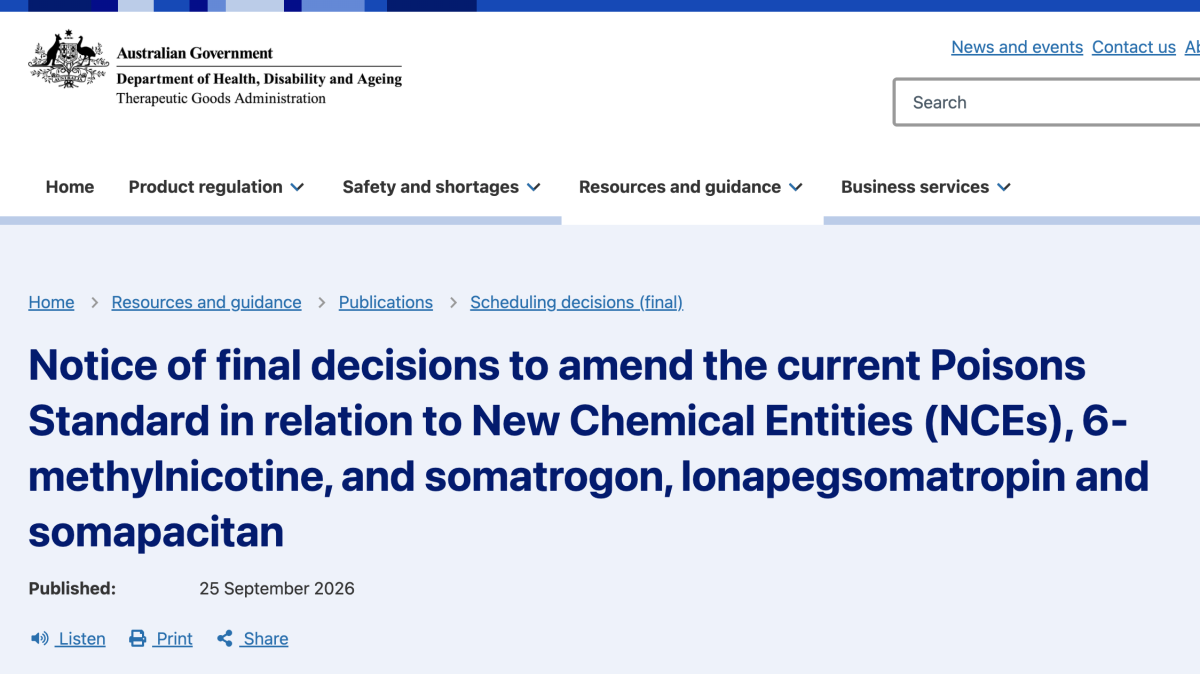
Australia's Therapeutic Goods Administration published a final decision on September 25 to classify 6-methylnicotine as a Schedule 9 prohibited substance under the Poisons Standard, effective October 1, 2026. TGA said the chemical has been reported in e-cigarette liquids sold in Australia and marketed as nicotine-free or nicotine alternatives, while evidence also indicates its use in preparations such as oral pouches. The government originally proposed a Schedule 7 classification but ultimately adopted the stricter Schedule 9 designation, citing acute toxicity, dependence risk, use in unapproved consumer products and misleading marketing.
News
Sep.29 by 2Firsts Perspectives
Russia’s Vape Device Labeling Regime Enters Force: Registration Starts in September, Mandatory Coding in December
Russia's digital labeling regime for reusable e-cigarettes and similar personal vaping devices entered its first mandatory phase in September 2026. From September 1, manufacturers, importers and other market participants must register with the national Chestny ZNAK tracking system. From December 1, newly manufactured and imported covered devices will be required to carry digital identification codes and be reported as entering circulation. Russia has also issued new operational guidance for imports, marking the transition from a voluntary pilot to phased mandatory implementation.
Sep.15
Special Report | From New York to Washington: How FDA’s Tobacco Center Is Reworking Product Review
FDA’s Center for Tobacco Products is reshaping how it approaches tobacco product review. Based on 2Firsts’ on-site reporting in New York and Washington, this report traces CTP’s emerging direction: stronger links between PMTA and tobacco harm reduction, more category-specific review, greater emphasis on decision-relevant science, more predictable timelines and expanded use of sPMTA for product modifications. CTP also acknowledged major constraints, including just nine PMTA review teams, persistent backlogs and limits on hiring capacity.
Regulations
Oct.08
U.S. Military Could Test Nicotine Pouches and Vapes for Smoking Cessation as Washington Examiner Cites ZYN and Potential $4 Billion Reduction in Related Defense Costs
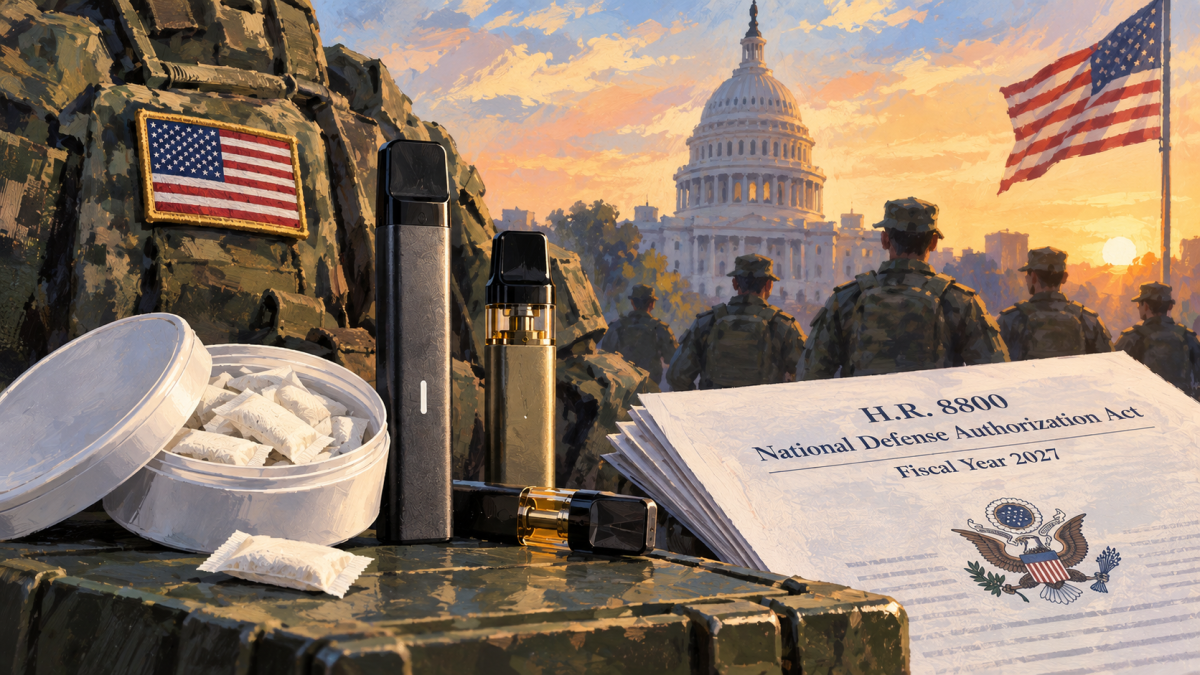
The House-passed FY2027 National Defense Authorization Act includes a provision authorizing the defense secretary to conduct a one-year smoking-cessation pilot for active-duty service members. Section 707 lists counseling, nicotine gum and patches alongside what the bill calls "electric nicotine delivery systems," nicotine pouches and heat-not-burn products. A recent Washington Examiner op-ed cited ZYN as an example in arguing for the provision, but the legislation does not name any commercial brand or supplier. ZYN is made by PMI-owned Swedish Match USA, with specified products holding FDA marketing authorizations and modified risk orders.
Sep.20
Germany Probes 7.6 Million Illegal Vape Case With Estimated €33.3 Million Tax Loss; Four Chinese Manufacturer Employees Under Investigation, Some Packaging in Enforcement Images Resembles FUMOT Products
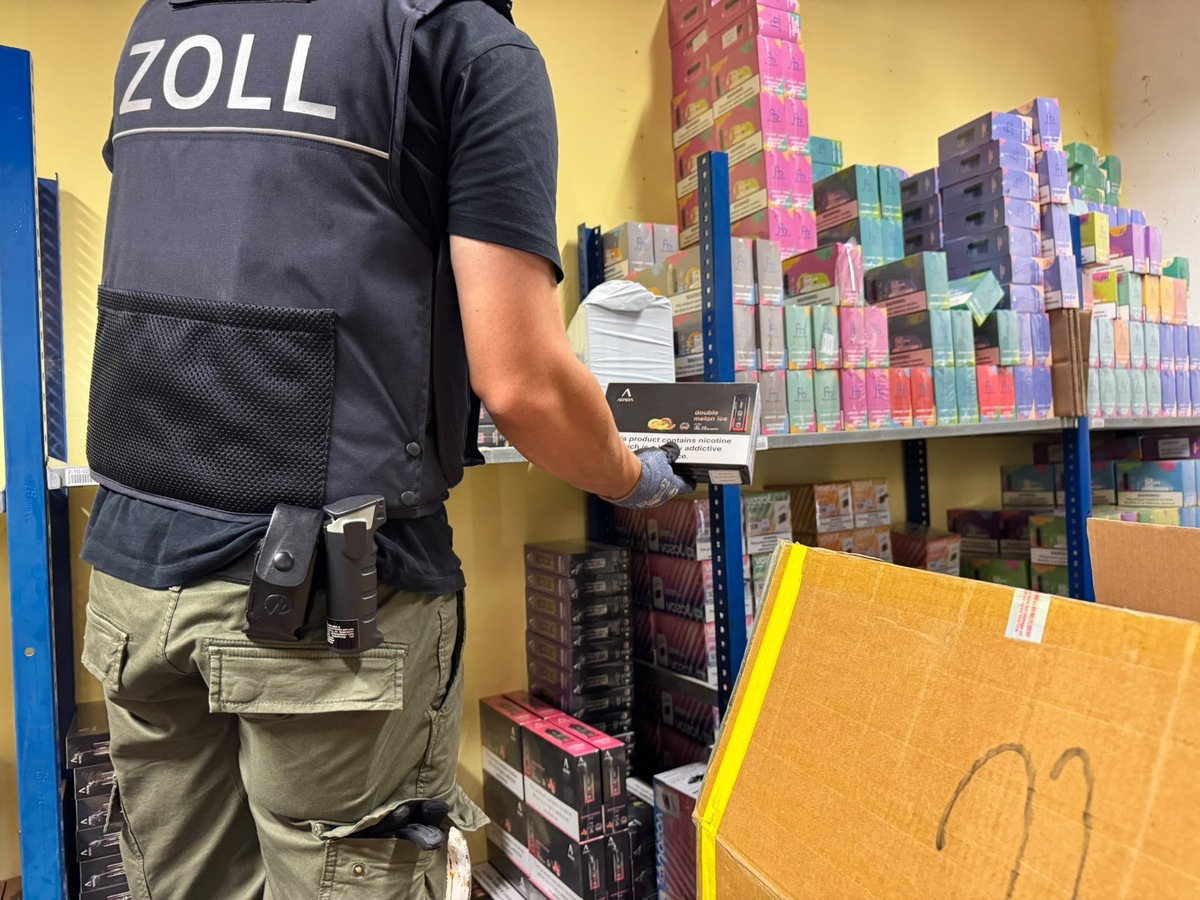
German prosecutors and customs authorities are conducting a criminal investigation into an alleged cross-border organised vape network. Authorities say that between January 2024 and March 2025, four employees of an unnamed Chinese e-cigarette manufacturer allegedly built a network of sales agents and wholesalers that brought more than 7.6 million nicotine disposable vapes into Germany, causing an estimated €33.3 million in excise-tax losses. The manufacturer has not been named. Some products visible in enforcement images have packaging resembling products from FUMOT’s portfolio. European regulatory records from 2024, FUMOT’s public overseas-sales materials and records involving German vape importer and distribution company Zamu-Pro GmbH also show FUMOT/RandM products and German distribution activity during the period covered by the investigation.
Sep.21
FDA Unifies Tobacco Registration and Product Listing Form Across Product Categories
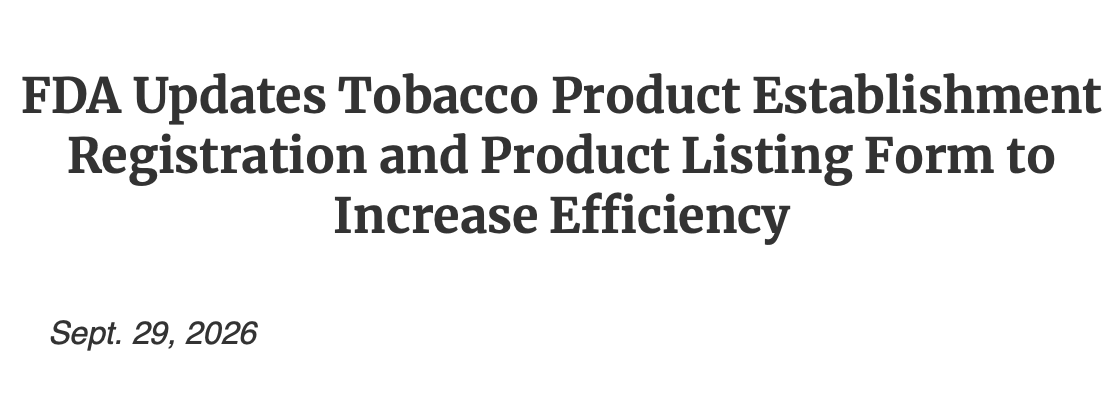
The U.S. FDA has consolidated two tobacco establishment registration and product listing forms into a redesigned Form FDA 3741 covering all regulated product categories, including e-cigarettes, heated tobacco products and nicotine pouches. The current requirements remain limited to domestic establishments. Separately, the FDA has proposed extending registration and product listing requirements to foreign manufacturers, signaling greater regulatory attention to manufacturing entities and product-level information across the tobacco and nicotine supply chain.
FDA
Sep.30