Russia's State Duma Passes Tobacco and Nicotine Ingredient Disclosure Bill, Targeting 2027 End to Trade-Secret Protection for Certain Harmful Ingredient Data

Regulations
Nov.12
Russia's State Duma Passes Tobacco and Nicotine Ingredient Disclosure Bill, Targeting 2027 End to Trade-Secret Protection for Certain Harmful Ingredient Data
Russia's State Duma passed a government-sponsored amendment on November 11, 2026, by 414 votes to none, seeking to prevent businesses from classifying information on the presence and number of types of certain harmful ingredients in tobacco and nicotine-containing products as trade secrets. The measure covers ingredients capable of increasing nicotine dependence or exhibiting toxic, carcinogenic, mutagenic or reproductive toxicity, including substances that acquire such properties during heating or smoldering. Bill No. 1286415-8 would amend Article 5 of Federal Law No. 98-FZ on Commercial Secrets and is scheduled to take effect on January 1, 2027. The bill has cleared all three readings in the State Duma but has not completed the remaining legislative procedures.

Key Points

  • Russia's State Duma passed Bill No. 1286415-8 on November 11 by 414 votes to none, proposing changes to trade-secret protections for tobacco and nicotine product ingredient information.
  • Information concerning the presence and number of types of specified harmful ingredients would no longer qualify for trade-secret protection.
  • The measure covers ingredients that increase nicotine dependence or exhibit toxic, carcinogenic, mutagenic or reproductive toxicity, including substances that acquire such properties during heating or smoldering.
  • The proposed effective date is January 1, 2027, two months earlier than originally planned, subject to completion of the remaining legislative process.

2Firsts

November 12, 2026

Russia's State Duma passed an amendment on November 11 that would prevent businesses from classifying certain harmful ingredient information in tobacco and nicotine-containing products as trade secrets. The measure is scheduled to take effect on January 1, 2027, covering tobacco products and nicotine-containing products as defined under Russian law, including applicable vaping products.

According to parliamentary records, Bill No. 1286415-8 received 414 votes in favor, none against and no abstentions in its third reading. Another 36 lawmakers did not vote.

The bill would amend Article 5 of Federal Law No. 98-FZ on Commercial Secrets, dated July 29, 2004, to exclude information on the presence and number of types of specified harmful ingredients from trade-secret protection.

The provisions cover substances that may increase nicotine dependence or exhibit toxic, carcinogenic, mutagenic or reproductive toxicity, including ingredients that may acquire such properties during heating or smoldering.

State Duma Passes Amendment Limiting Trade-Secret Protection for Harmful Ingredient Data

The Russian government submitted Bill No. 1286415-8 to the State Duma on July 10, 2026. Lawmakers approved it in the first reading on October 1.

The chamber passed the measure in its second and third readings on November 11, completing its consideration in the lower house.

Article 5 of Russia's Law on Commercial Secrets lists categories of information that cannot be protected as trade secrets. The amendment would add specified ingredient information concerning tobacco and nicotine-containing products to that list.

The measure covers substances capable of increasing nicotine dependence or causing toxic, carcinogenic, mutagenic or reproductive effects. It also includes ingredients that may acquire such hazardous properties during heating or smoldering.

In the explanatory materials accompanying the bill, the Russian government said existing trade-secret protections had restricted public access to some ingredient information relevant to the potential health effects of tobacco and nicotine products.

State Duma Speaker Vyacheslav Volodin said after the vote that information about harmful ingredients in tobacco and vaping products should not be protected as commercially confidential.

The amendment concerns information on the presence and number of types of specified harmful ingredients. It does not establish a blanket requirement to disclose complete product formulations, proprietary manufacturing processes or the precise concentration of every chemical substance.

January 2027 Start Would Change Ingredient Confidentiality Rules for Manufacturers

The bill was originally scheduled to take effect on March 1, 2027. During the State Duma's consideration, lawmakers moved the proposed commencement date forward to January 1, 2027.

Under Russia's legislative process, the measure still requires consideration by the Federation Council, presidential signature and official publication before becoming law.

Its scope covers tobacco products and nicotine-containing products. For manufacturers of vaping and other nicotine products within those statutory categories, the amendment would change the legal conditions under which qualifying harmful ingredient information can be treated as commercially confidential.

The measure addresses the confidentiality status of product information rather than directly prohibiting the manufacture or sale of the products concerned.

Russian legal materials link the initiative to the country's broader policy on reducing tobacco and other nicotine product consumption through 2035.

As of November 12, 2026, Bill No. 1286415-8 had completed all three readings in the State Duma. January 1, 2027 remains its proposed effective date.

Follow 2Firsts for timely updates on global tobacco and nicotine regulations, market developments and industry trends.

Cover Image: Vedomosti

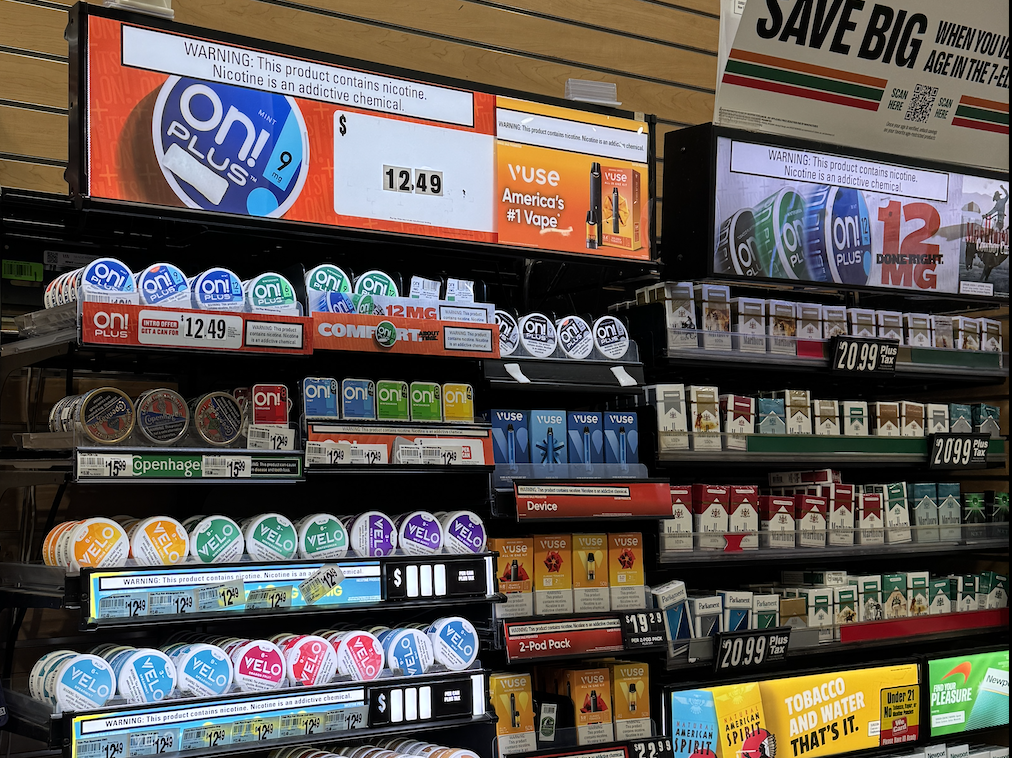
2Firsts Interview | Cigarette Sales Fall as Smokeless Alternatives Gain in U.S. Convenience Stores, NACS Says
Ahead of the 2026 NACS Show, 2Firsts interviewed Chris Rapanick, NACS managing director of research, on changes reshaping the U.S. convenience-store tobacco and nicotine market. NACS data show cigarette sales declining while smokeless alternatives, including nicotine pouches, continue to grow. The interview also examines higher OTP margins, shifting backbar space, weaker store traffic, regulatory uncertainty and NACS’ outlook for 2027, offering a retailer-side view of one of the world’s largest nicotine markets.
Interview
Oct.03
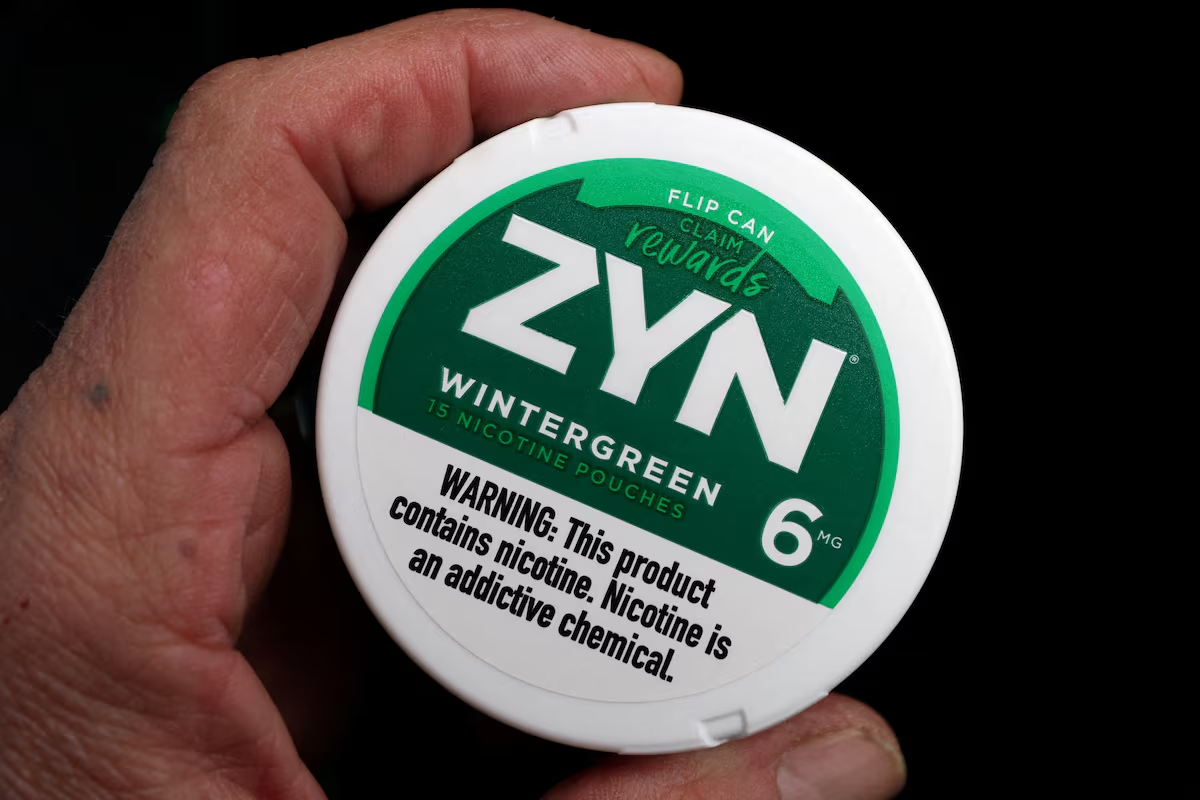
India Steps Up Nicotine Pouch Enforcement as ZYN, White Fox Circulate and Drug Panel Urges Halt to New Nicotine Formulations
India's Ministry of Health and Family Welfare has directed states to step up enforcement against nicotine pouch sales, citing increased availability through online and offline channels and concern about nicotine exposure among children. Reuters reported that international brands including ZYN and White Fox are being sold in India. A study led by ICMR-NICPR found pouches in seven of 10 surveyed locations and identified 68 brands and 445 flavors online. Separately, India's Drugs Technical Advisory Board recommended in August that no new nicotine formulation be approved.
Regulations
Sep.28 by 2Firsts Perspectives
UK HMRC Launches Vape Duty Stamps on October 1, Ushering in Supply-Chain Traceability as Chinese Exporters Face New Compliance Hurdles
HM Revenue & Customs put the UK's Vaping Products Duty and Vaping Duty Stamps Scheme into effect on October 1. All vaping liquids manufactured in or imported into the UK are now subject to duty at £2.20 per 10ml, regardless of nicotine content. The stamp regime will introduce digital functionality designed to provide traceability throughout the supply chain, with approved manufacturers, importers and warehousekeepers required to report product movements and retailers and consumers eventually able to scan stamps to verify authenticity. China exported $177 million of vape-related products to the UK in August, up 51.4% year over year, increasing the significance of the new compliance regime for China's Shenzhen-centered vape supply chain.
Regulations
Oct.04
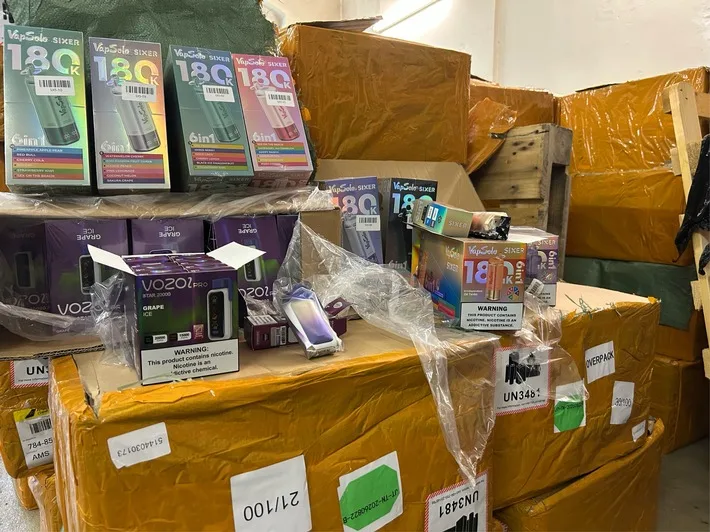
German Customs Seize 115,800 Vapes in €1.4 Million Tax Case
Germany's Magdeburg Main Customs Office seized 115,800 untaxed e-cigarettes containing a combined 4.366 million mL of e-liquid during four truck inspections between August 10 and September 4, 2026. The seizures prevented an estimated €1.397 million in tax losses and set a record for the customs office's jurisdiction. Criminal proceedings have been initiated against four truck drivers. The case follows a separate German investigation involving more than 7.6 million illicit vapes and an estimated €33.3 million in excise-tax losses.
Enforcement
Oct.13
Product | PMI Launches TEREA Black Mint Pearl in Japan, Adding First Capsule Variant to Black Range With Nationwide Rollout From October 19
Philip Morris Japan (PMJ) launched TEREA Black Mint Pearl on October 15, 2026, introducing the first capsule-equipped heated tobacco stick in the TEREA Black range for IQOS ILUMA devices. The product combines a strong menthol profile with a crushable mint capsule and is priced at ¥640 per 20-stick pack, including tax. Sales began at four IQOS stores and selected retail partners on October 15, with distribution expanding to convenience stores and other tobacco retailers nationwide from October 19. The launch brings Japan's TEREA portfolio to 28 variants, including 21 menthol-related products, or 75% of the range.
product
Oct.16 by 2Firsts Perspectives
UK-Listed Consumer Goods Group Supreme Sees Vape Duty as Potential Consolidation Opportunity, Holds FY27 Outlook
UK-listed consumer goods group Supreme plc says it continues to expect FY27 trading to meet market expectations as the Vaping Products Duty takes effect on October 1, while maintaining a comparatively positive view of the new tax and compliance regime. Supreme has said the framework could increase compliance complexity for smaller operators and contribute to market consolidation, while its manufacturing, compliance and distribution scale may allow it to gain share. Its 88Vape brand will retain its value positioning.
Sep.18