BAT Targets South Korean E-Cigarette Market with Ambitious Expansion

BAT by 2FIRSTS.ai
Jan.30.2024
BAT Targets South Korean E-Cigarette Market with Ambitious Expansion
British American Tobacco (BAT) is making a large-scale entry into South Korea's e-cigarette market, aiming to dominate the sector.

British American Tobacco (BAT) is making its first major push into the e-cigarette market in South Korea, according to a report by South Korean media outlet eToday on January 29. The company is investing significant resources to expand its sales network and coverage, aiming to establish its presence in a market primarily dominated by small and medium-sized brands.


According to reports in the tobacco industry, BAT has decided to take strategic measures in markets that have not been entered by other major tobacco companies, aiming to dominate the market. Currently, BAT's share in the domestic market for e-cigarettes in the form of cigarettes is relatively limited, and the company plans to improve performance by increasing its liquid e-cigarette business.


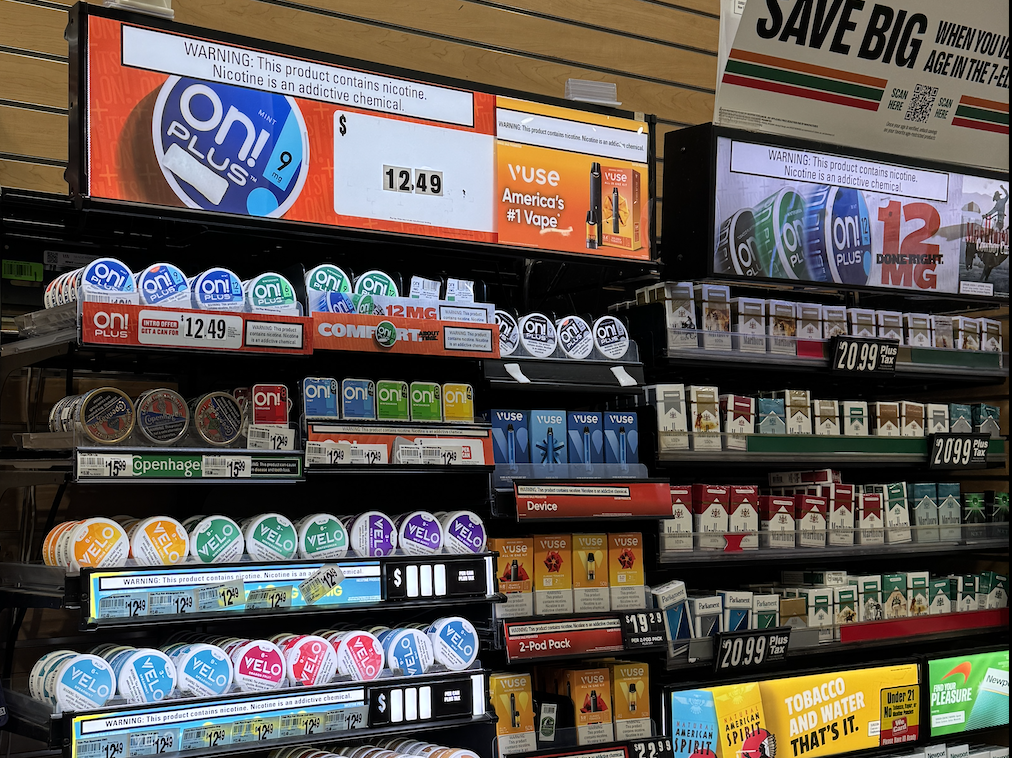
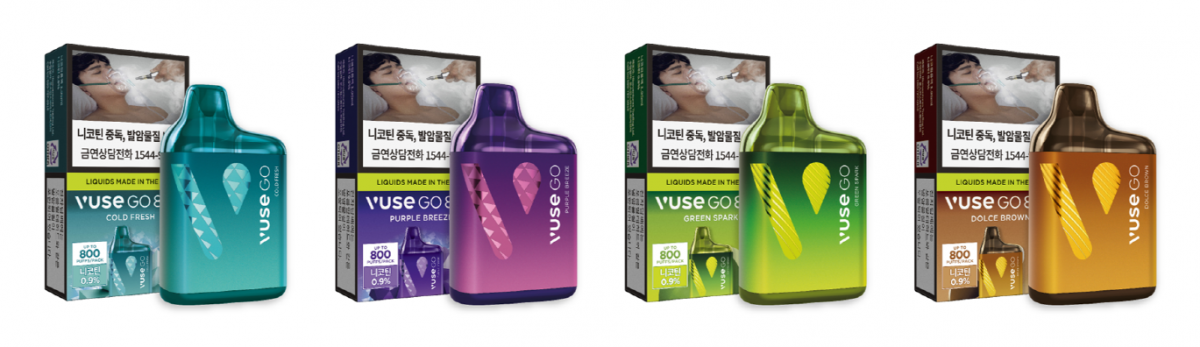
According to reports, BAT will expand the sales of the liquid e-cigarette "Vuse Go 800" to the entire Korean territory starting from this month. This marks the first promotion of this product nationwide in Korea since BAT began selling e-cigarettes in certain areas of the capital region in July last year. As of now, consumers can purchase Vuse Go 800 at over 30,000 convenience stores and e-cigarette shops nationwide in Korea.


This marks the first large-scale move by BAT in the domestic liquid e-cigarette market since 2020. Prior to this, KT&G, MOPHILIPS, and Japan Tobacco International (JTI Korea) did not introduce liquid e-cigarettes, primarily due to government regulatory restrictions. In September and October 2019, the government twice advised the temporary suspension of liquid e-cigarette use following the severe lung injury incidents in the United States. As a result, the market experienced a sharp contraction, with KT&G halting sales of the e-cigarette "Lil Vapor" and US tobacco company JUUL Labs exiting the Korean market in 2020.


According to a study by the European health research institution, EUROMONITOR, the liquid e-cigarette market in South Korea was worth 110 billion Korean won in 2019, but since 2020, the market size has only maintained at 50 billion Korean won. Currently, smaller brands like "Bubble Mon" dominate the e-cigarette market, with no clear "top player" in sight.


British American Tobacco (BAT) has revealed its plans to dominate the liquid e-cigarette market. The company's confidence has been bolstered by Vuse, its brand in the Seoul market, which witnessed a growth of over double its market share within just one month. Despite BAT's relatively smaller share in the domestic tobacco-style e-cigarette market, the company is determined to swiftly establish itself as the leading brand in the domestic liquid e-cigarette market by actively expanding its sales network and product lineup.


We welcome news tips, article submissions, interview requests, or comments on this piece.

Please contact us at info@2firsts.com, or reach out to Alan Zhao, CEO of 2Firsts, on LinkedIn


Notice

1.  This article is intended solely for professional research purposes related to industry, technology, and policy. Any references to brands or products are made purely for objective description and do not constitute any form of endorsement, recommendation, or promotion by 2Firsts.

2.  The use of nicotine-containing products — including, but not limited to, cigarettes, e-cigarettes, nicotine pouchand heated tobacco products — carries significant health risks. Users are responsible for complying with all applicable laws and regulations in their respective jurisdictions.

3.  This article is not intended to serve as the basis for any investment decisions or financial advice. 2Firsts assumes no direct or indirect liability for any inaccuracies or errors in the content.

4.  Access to this article is strictly prohibited for individuals below the legal age in their jurisdiction.


Copyright


This article is either an original work created by 2Firsts or a reproduction from third-party sources with proper attribution. All copyrights and usage rights belong to 2Firsts or the original content provider. Unauthorized reproduction, distribution, or any other form of unauthorized use by any individual or organization is strictly prohibited. Violators will be held legally accountable.

For copyright-related inquiries, please contact: info@2firsts.com


AI Assistance Disclaimer


This article may have been enhanced using AI tools to improve translation and editorial efficiency. However, due to technical limitations, inaccuracies may occur. Readers are encouraged to refer to the cited sources for the most accurate information.

We welcome any corrections or feedback. Please contact us at: info@2firsts.com

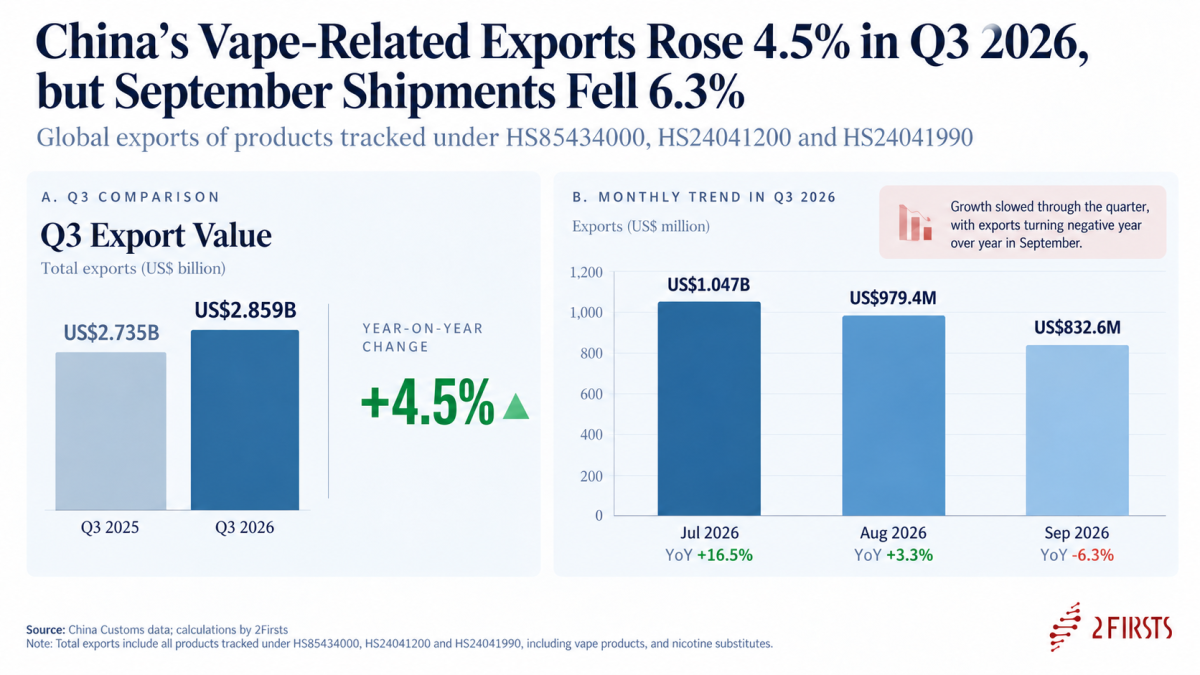
China’s Vape-Related Exports Rose 4.5% in Q3 2026 as 21.6% Growth in Shipments to the UK Offset a Decline in Shipments to the US
China's vape-related exports rose 4.5% year over year to $2.86 billion in the third quarter of 2026, led by stronger shipments to the United Kingdom as exports to the United States declined. UK-bound shipments increased 21.6%, adding $81.9 million, while US exports fell 5.2%, or $53.6 million. Growth weakened through the quarter, with September exports down 6.3% globally and 37.8% to the US. Nicotine-containing vape products accounted for more than 82% of the quarterly net increase, while device exports were nearly flat. Nine-month exports totaled $7.82 billion, up 4.0%.
DATA
Oct.26
Russia Expands Temporary Administration of JTI Assets in Second Round: From Four to All Seven Russian Entities, With Approximately $9.5 Billion in Related Assets
Japan Tobacco Inc. (JT) confirmed on November 9, 2026, that all seven of its Russian entities had been placed under temporary administration after a second presidential decree added three companies to the four designated a day earlier. The additional entities are associated with importing, management, holdings and the former supply of Ploom heated-tobacco devices. JT disclosed approximately ¥1.5 trillion in Russian business-related assets as of September 30, including ¥360 billion in cash and deposits, and approximately ¥200 billion in liabilities. Under its revised FY2026 forecast, Russia accounts for about 25% of adjusted operating profit. JT said operations in Russia were continuing, while the financial impact remained under assessment.
company
Nov.09
U.S. Judge Stays Helix, NJOY Challenge to FDA PMTA Rule Pending New Rulemaking Court Stays Altria's Helix, NJOY Challenge to PMTA Rule as FDA Prepares New Rulemaking
A federal judge in Texas on Oct. 8 granted a joint request by the FDA and plaintiffs including Altria subsidiaries Helix Innovations and NJOY to stay litigation challenging the agency's 2021 PMTA rule. The court cited FDA's anticipated rulemaking concerning the regulation at issue. FDA announced on Sept. 28 that it intends to reassess the PMTA framework and could initiate new rulemaking to replace it. The parties must file a joint status report within 45 days and every 45 days thereafter. A motion by three Reynolds American companies to intervene remains pending.
Regulations
Oct.10
2Firsts Interview | Cigarette Sales Fall as Smokeless Alternatives Gain in U.S. Convenience Stores, NACS Says
Ahead of the 2026 NACS Show, 2Firsts interviewed Chris Rapanick, NACS managing director of research, on changes reshaping the U.S. convenience-store tobacco and nicotine market. NACS data show cigarette sales declining while smokeless alternatives, including nicotine pouches, continue to grow. The interview also examines higher OTP margins, shifting backbar space, weaker store traffic, regulatory uncertainty and NACS’ outlook for 2027, offering a retailer-side view of one of the world’s largest nicotine markets.
Interview
Oct.03
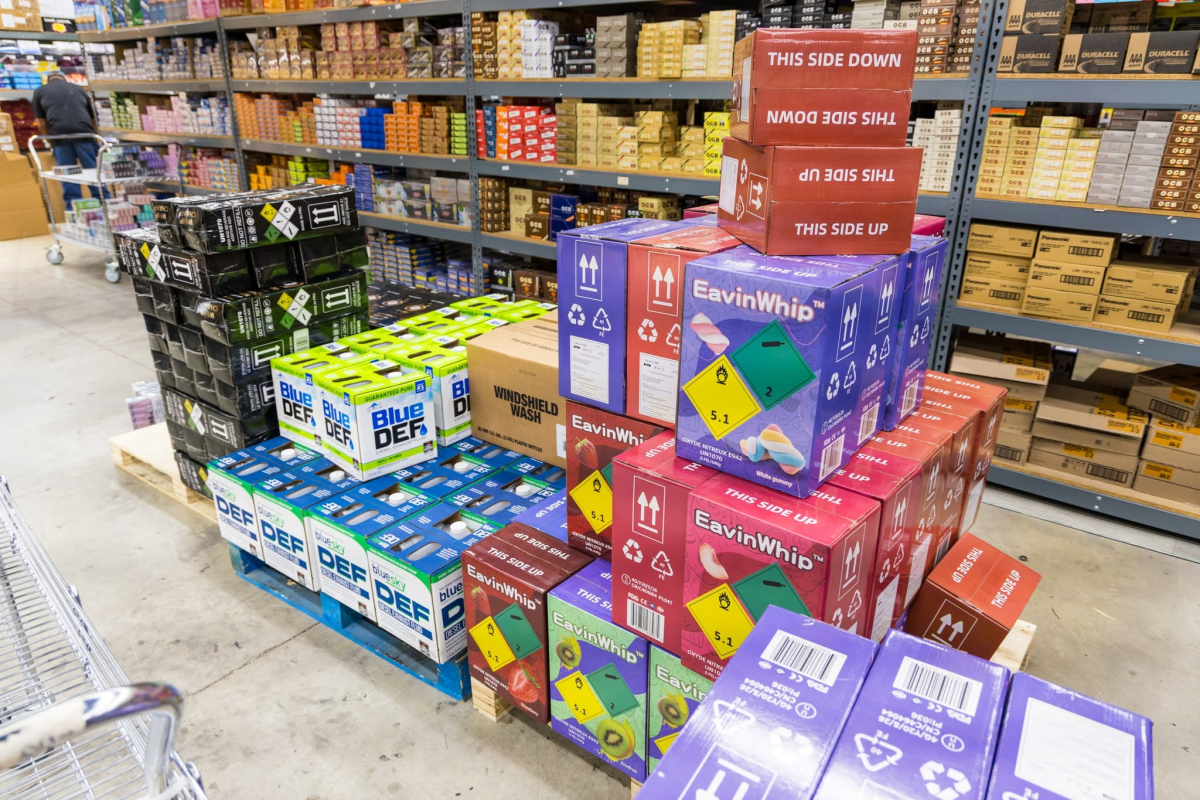
Los Angeles Cracks Down on Illicit Flavored Vapes and Counterfeit Goods: 12 Businesses Searched, 24 Arrested, Eight Truckloads Seized
Los Angeles authorities searched 12 businesses and arrested 24 people during a multi-agency operation targeting illicit flavored vaping products, flavored cigarettes and counterfeit merchandise on October 22, 2026. The Los Angeles County Sheriff's Department said approximately eight tractor-trailer loads of merchandise were seized. Alleged violations involved flavored tobacco sales restrictions, tobacco licensing requirements and counterfeit trademark laws. Local, state and federal agencies participated. Authorities have not disclosed the number, brands or value of vaping products seized. Investigations remain ongoing.
Enforcement
Oct.28
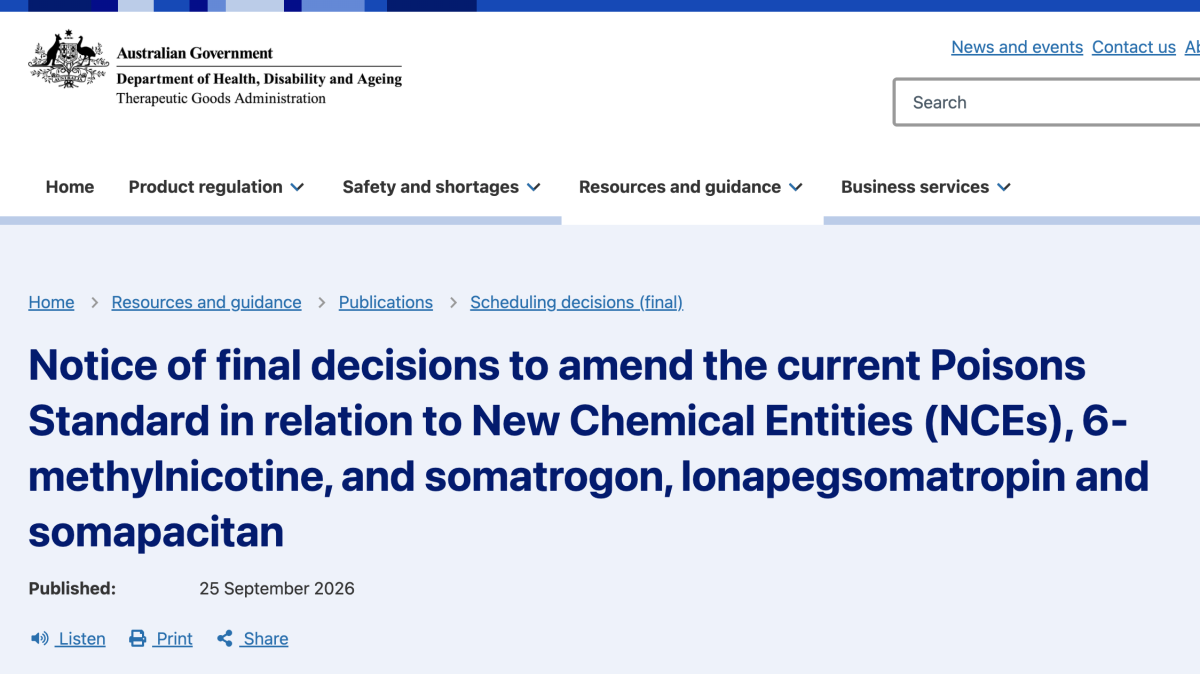
Australia Adds 6-Methylnicotine to Schedule 9 Prohibited Substances, Effective October 1
Australia's Therapeutic Goods Administration published a final decision on September 25 to classify 6-methylnicotine as a Schedule 9 prohibited substance under the Poisons Standard, effective October 1, 2026. TGA said the chemical has been reported in e-cigarette liquids sold in Australia and marketed as nicotine-free or nicotine alternatives, while evidence also indicates its use in preparations such as oral pouches. The government originally proposed a Schedule 7 classification but ultimately adopted the stricter Schedule 9 designation, citing acute toxicity, dependence risk, use in unapproved consumer products and misleading marketing.
News
Sep.29 by 2Firsts Perspectives