Key Highlights:
Controversial Promotional Strategy: E-cigarette brands in Manila, Philippines are attracting young users by giving away free samples in nightclubs, raising questions about compliance with regulations.
Target audience identified: Health organizations believe that such "trial strategies" are clearly aimed at vulnerable young populations.
Possible legal basis: Philippines's RA 11900 strictly prohibits marketing strategies that target minors, including free samples and promotional events.
Expert opinion: The head of ImagineLaw criticized the strategy as "predatory market behavior," emphasizing its potential addiction risk and health hazards.
According to a report by Gmanetwork on April 15, the Philippine public health advocacy group has expressed strong concerns about e-cigarette brands conducting "free trial" promotions in nightclubs and bars. The organization believes that this strategy may violate current national laws and target young consumers.
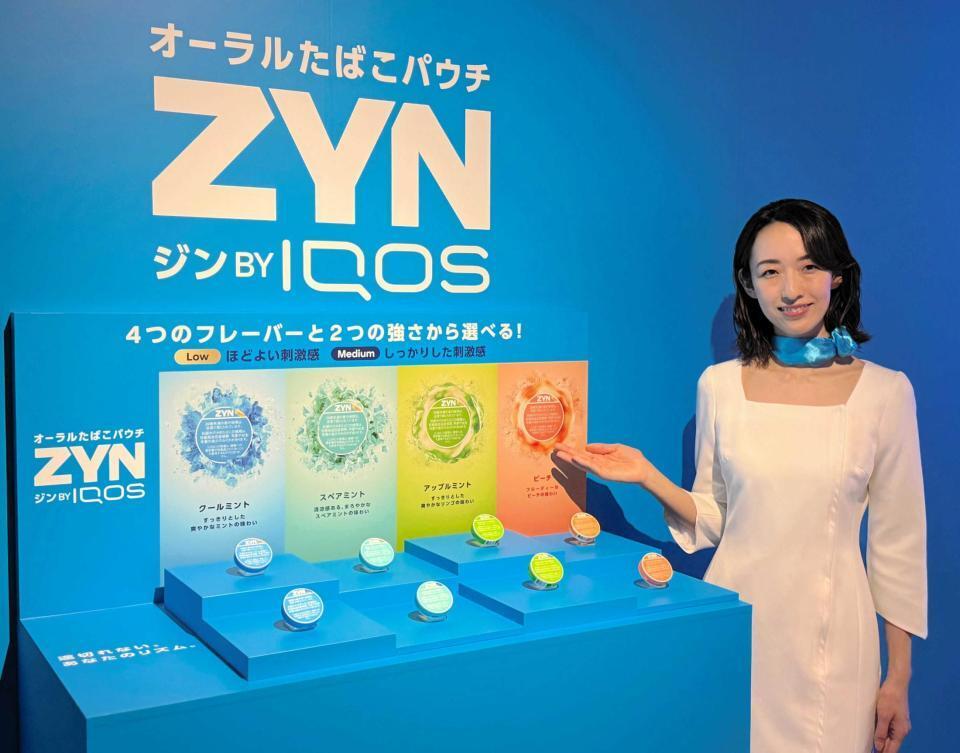
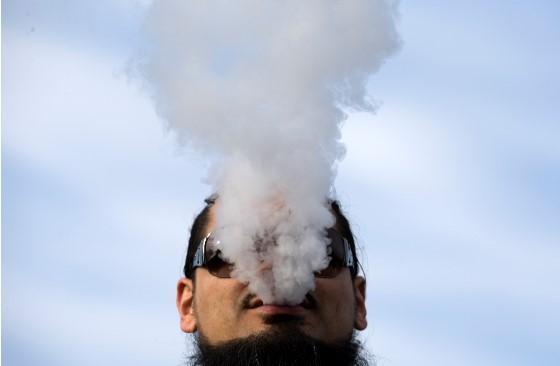
Health experts and advocates point out that representatives from multiple e-cigarette brands have been found distributing free e-cigarette devices and flavor pods to customers at popular hotspots in the Manila metropolitan area, such as bars, for them to try that evening.
ImagineLaw Executive Director Sophia Monica San Luis stated that
This is not only an irresponsible marketing behavior, but also a predatory behavior. The brand is very clear about who their target audience is - young people who go out for fun, are easily influenced by their peers, and have limited awareness of health risks.
The Republic Act No. 11900, also known as the "Vaporized Nicotine and Non-Nicotine Products Regulation Act," passed in the Philippines in 2022, clearly prohibits the promotion of related products to minors and restricts any advertising activities that may appeal to young people. This includes distributing free samples, using youthful design elements, sponsoring various events, and collaborating with public figures.
San Luis further pointed out that such behavior has constituted a clear violation of the law.
The Southeast Asia Tobacco Control Alliance (SEATCA) has also expressed concerns about the trend of "bar marketing" and pointed out that flavored e-cigarettes typically have candy or fruit flavors, as part of a broader strategy to attract first-time users.
The public health organization is currently urging the Department of Trade and Industry (DTI) and the Department of Health (DOH) to investigate and crack down on these illegal promotional activities.
We welcome news tips, article submissions, interview requests, or comments on this piece.
Please contact us at info@2firsts.com, or reach out to Alan Zhao, CEO of 2Firsts, on LinkedIn
Notice
1. This article is intended solely for professional research purposes related to industry, technology, and policy. Any references to brands or products are made purely for objective description and do not constitute any form of endorsement, recommendation, or promotion by 2Firsts.
2. The use of nicotine-containing products — including, but not limited to, cigarettes, e-cigarettes, nicotine pouchand heated tobacco products — carries significant health risks. Users are responsible for complying with all applicable laws and regulations in their respective jurisdictions.
3. This article is not intended to serve as the basis for any investment decisions or financial advice. 2Firsts assumes no direct or indirect liability for any inaccuracies or errors in the content.
4. Access to this article is strictly prohibited for individuals below the legal age in their jurisdiction.
Copyright
This article is either an original work created by 2Firsts or a reproduction from third-party sources with proper attribution. All copyrights and usage rights belong to 2Firsts or the original content provider. Unauthorized reproduction, distribution, or any other form of unauthorized use by any individual or organization is strictly prohibited. Violators will be held legally accountable.
For copyright-related inquiries, please contact: info@2firsts.com
AI Assistance Disclaimer
This article may have been enhanced using AI tools to improve translation and editorial efficiency. However, due to technical limitations, inaccuracies may occur. Readers are encouraged to refer to the cited sources for the most accurate information.
We welcome any corrections or feedback. Please contact us at: info@2firsts.com