Decrease in Smoking Rates Among German Youth: Report

Industry Insight by 2FIRSTS.ai
May.28.2024
Decrease in Smoking Rates Among German Youth: Report
German youth smoking rates have significantly declined since 2001, with more turning to disposable e-cigarettes, a report reveals.

According to a report published by Aerzte Zeitung on May 27, the Federal Center for Health Education in Germany (BZgA) announced on Monday (27th) that the proportion of young smokers in Germany has significantly decreased since 2001.


The report highlights that the number of non-smoking adolescents aged 12 to 17 has reached 83%, while among young adults aged 18 to 25, this proportion is 47%. The proportion of male adolescent smokers has dropped from 27.2% in 2001 to 9.3% in 2015, and is projected to decrease to 7.2% by 2023. Among female smokers aged 12 to 17, the smoking rate decreased from 27.9% in 2001 to 6.1% in 2016, and is expected to stabilize at 6.4% by 2023. The proportion of smokers among the 18 to 25 age group is also decreasing.


According to the survey results, 33.6% of young men and 18.4% of young women are smokers. However, regardless of age group (12-17 or 18-25), disposable e-cigarettes are favored. The survey shows that in the past 30 days, approximately 7% of those aged 12-17 and 12% of those aged 18-25 have used disposable e-cigarettes.


Burkhard Blienert, the official responsible for addiction and drug issues in the German federal government, stated that


It is encouraging to see that the majority of teenagers are very conscious of their health, with an increasing number of young people no longer using cigarettes or tobacco products. However, we must not relax our efforts to combat smoking. On one hand, disposable e-cigarettes, in particular, have a special appeal to teenagers, possibly due to their small size, bright colors, and cheap prices. On the other hand, nearly 127,000 people die each year as a result of smoking. In Germany, lung cancer remains the second most common cancer in men and the third most common cancer in women. Therefore, I hope that we can make progress in restricting advertising, marketing, and sponsorships. Additionally, banning direct advertising at point of sale and tobacco company-sponsored events would have a significant impact.


Johannes Nießen, the interim head of the German Federal Institute for Prevention and Health Education (BIPAM) and the BZgA, stated that


For most teenagers, smoking is still not a popular activity. Data shows that young people are well aware of the dangers of smoking. However, when it comes to other nicotine products, such as e-cigarettes, their sensitivity to health risks is lower. Therefore, we need to strengthen education measures. In particular, the issue of disposable e-cigarettes, which are cheap and easily attract young people to try, the sweet flavors also mask the harm of these products.


We welcome news tips, article submissions, interview requests, or comments on this piece.

Please contact us at info@2firsts.com, or reach out to Alan Zhao, CEO of 2Firsts, on LinkedIn


Notice

1.  This article is intended solely for professional research purposes related to industry, technology, and policy. Any references to brands or products are made purely for objective description and do not constitute any form of endorsement, recommendation, or promotion by 2Firsts.

2.  The use of nicotine-containing products — including, but not limited to, cigarettes, e-cigarettes, nicotine pouchand heated tobacco products — carries significant health risks. Users are responsible for complying with all applicable laws and regulations in their respective jurisdictions.

3.  This article is not intended to serve as the basis for any investment decisions or financial advice. 2Firsts assumes no direct or indirect liability for any inaccuracies or errors in the content.

4.  Access to this article is strictly prohibited for individuals below the legal age in their jurisdiction.


Copyright


This article is either an original work created by 2Firsts or a reproduction from third-party sources with proper attribution. All copyrights and usage rights belong to 2Firsts or the original content provider. Unauthorized reproduction, distribution, or any other form of unauthorized use by any individual or organization is strictly prohibited. Violators will be held legally accountable.

For copyright-related inquiries, please contact: info@2firsts.com


AI Assistance Disclaimer


This article may have been enhanced using AI tools to improve translation and editorial efficiency. However, due to technical limitations, inaccuracies may occur. Readers are encouraged to refer to the cited sources for the most accurate information.

We welcome any corrections or feedback. Please contact us at: info@2firsts.com

Russia's Vape Ban Decisions Reach 17 Regions With 39 More Considering Laws, Putting Over 3,000 St. Petersburg Retail Outlets in Focus
Russia's regional vape retail restrictions are expanding. State Duma Speaker Vyacheslav Volodin said on November 7 that 17 regions had adopted decisions to ban vape sales, while another 39 were preparing or considering similar legislation. On November 12, lawmakers in Leningrad Oblast and the Republic of Karelia adopted bans scheduled to begin on March 1, 2027. A day earlier, St. Petersburg unanimously approved a five-year ban proposal in its first reading. The city has 615 specialist vape shops and more than 2,400 other retail outlets selling vaping products alongside other goods. Under Federal Law No. 186-FZ, enacted in June 2026, Russian regions may prohibit retail sales of electronic nicotine delivery systems and related liquids between March 2027 and March 2032. The legislation also restricts licensed suppliers from delivering covered products to retail premises in regions where bans apply.
Regulations
Nov.13
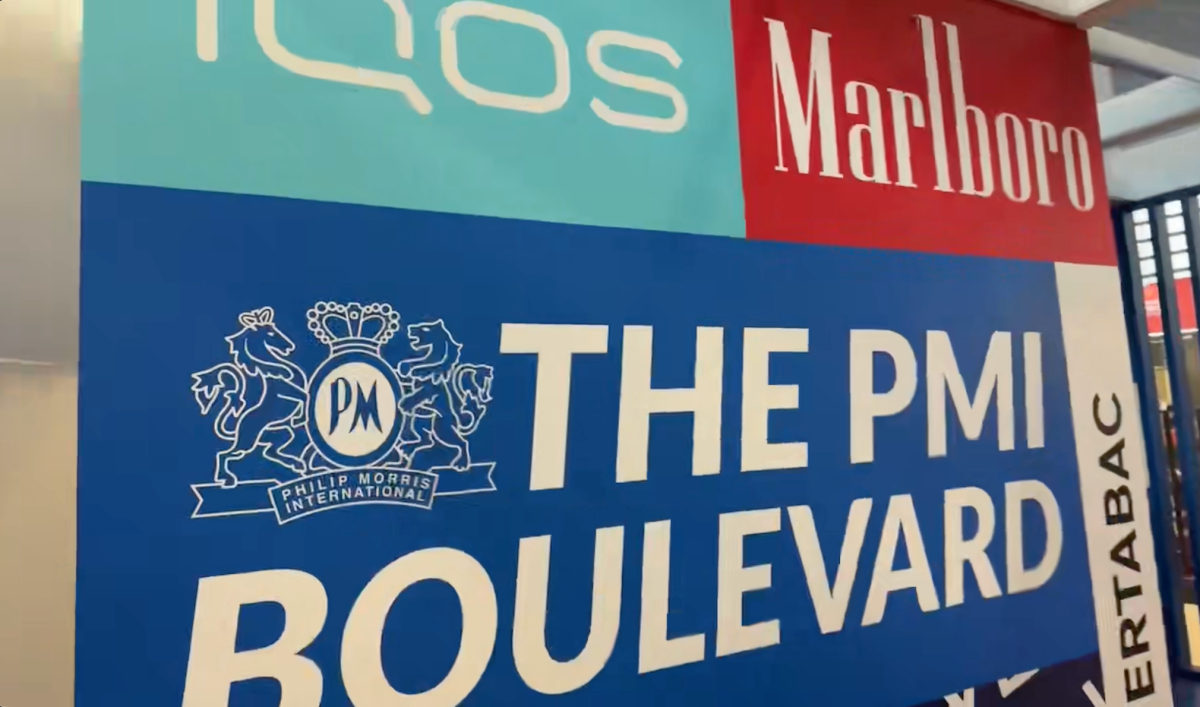
2Firsts On-Site | PMI Brings IQOS, ZYN, VEEV and Marlboro Together at Its “Boulevard” at InterTabac 2026
At InterTabac 2026 in Dortmund, PMI is presenting multiple brands and products along “The PMI Boulevard,” including IQOS, ZYN, VEEV and Marlboro. On-site images captured by 2Firsts show dedicated spaces including the IQOS Boutique, ZYN Café, PMI Gallery and Marlboro Office
Market
Sep.16 by 2Firsts Perspectives
Pennsylvania Lists 163 Vape Products Eligible for Sale, Including Vuse and JUUL; Previously Pending Chinese Brands Such as OXBAR Remain Absent, While Unlisted Products Including Geek Bar Face Enforcement From October 19
Pennsylvania begins enforcing its electronic nicotine delivery system (ENDS) directory restrictions on October 19, 2026. The October 18 directory contained 163 product records from seven manufacturers, including Vuse, JUUL, NJOY, Logic and Naked 100. Geek Bar, RAZ and Lost Mary were absent. BAT, Altria, Japan Tobacco and JUUL collectively accounted for 112 records, or 68.7%, while Imperial Brands' blu had no listings. The directory included 15 disposable vape records, 40 bottled e-liquids and 10 products labeled 0mg, but no open-system refillable devices. Twenty-two manufacturer certifications remained under review. Four Logic models corresponding to Smoore's pending records were listed under the brand owner, while LYCO, OXBAR and Boulder/Rock had no approved directory entries.
Regulations
Oct.19
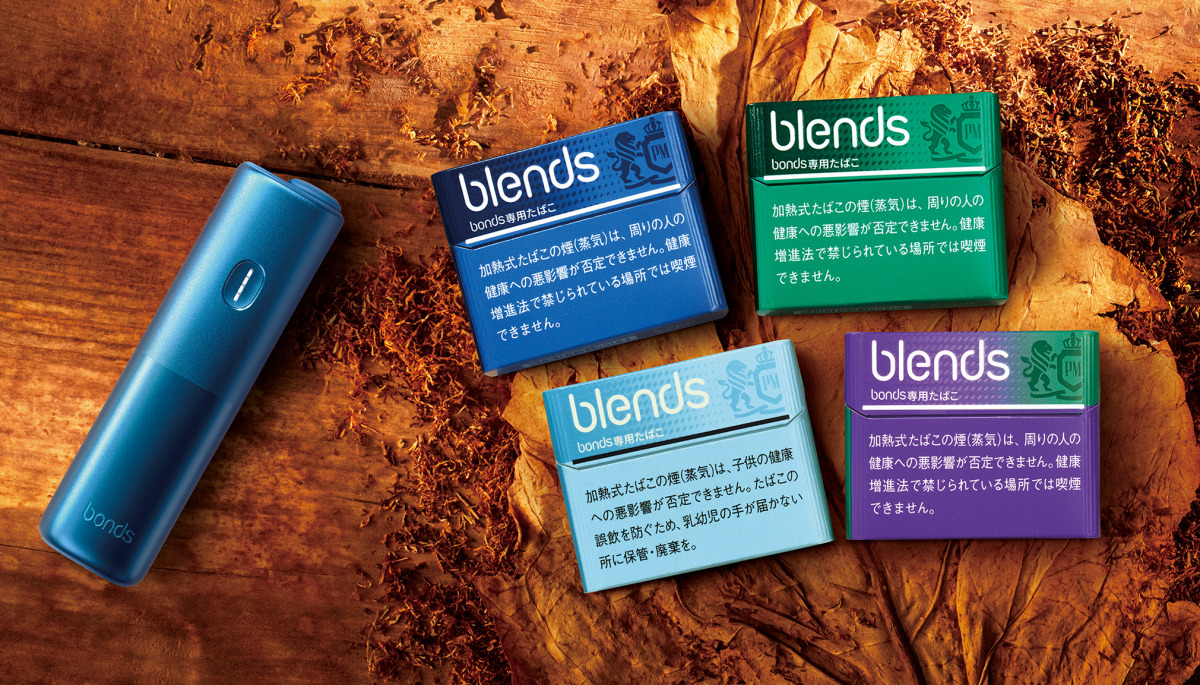
Beyond IQOS ILUMA, PMI Expands Lower-Priced BONDS Heated Tobacco Platform: Seven Markets Added in Q3, With Rollouts in Japan, Europe and North Africa
Philip Morris International (PMI) is expanding the international footprint of BONDS by IQOS, its lower-priced heated tobacco platform. The company's third-quarter 2026 SEC filing shows that BONDS devices and BLENDS tobacco sticks were available in 15 markets at the end of September, up from eight at the end of June. In November, PMI announced plans to extend sales from three to 17 Japanese prefectures and introduced BONDS in Spain and Morocco. The platform uses ROUNDHEAT external heating technology and proprietary tobacco sticks, separate from the IQOS ILUMA system. In Japan, BONDS retails for ¥2,980, approximately 25% below ILUMA i ONE, while BLENDS costs ¥570 per pack. PMI management says BONDS targets cigarette smokers who have not adopted heated tobacco. Separate sales and revenue figures remain undisclosed.
company
Nov.06
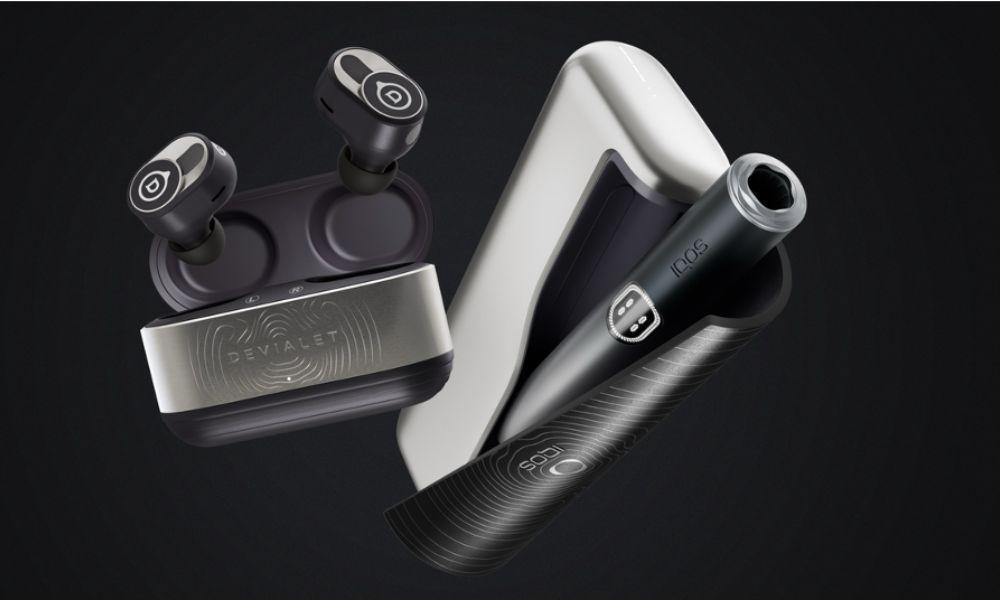
Product | Philip Morris Japan Teams Up With Renowned French Audio Brand DEVIALET for Limited-Edition IQOS Priced 60% Above Standard Model
Philip Morris Japan (PMJ) launched the limited-edition IQOS ILUMA i PRIME Soundsorial Model in collaboration with French audio brand DEVIALET on October 1, 2026. Featuring sound-wave patterns, a silver-and-black finish and a gradient holder, the heated tobacco device is priced at JPY 15,980, including tax, and is available at four IQOS stores in Japan. According to Japanese media citing a PMJ representative, about 1,900 units were allocated to the Japanese retail market. A separate Soundsorial Collection, combining the device with DEVIALET Gemini II earbuds, includes 440 sets allocated to Japan for a membership prize draw.
product
Oct.23
Arizona Turns to a 50% Retail Vape Tax as Tobacco Tax Revenue Falls 47% From 2008
Arizona's First Things First is pushing for an excise tax equal to 50% of the retail price of vaping products, estimating that the measure could generate about $100 million annually. The agency says its tobacco-tax revenue has fallen 47% from 2008 levels. Arizona has attempted to broaden its nicotine tax base in each of the past two years: a 2025 bill proposed a 50% wholesale-price tax, while a 2026 measure shifted to a 50% retail-price tax covering alternative nicotine products and vapor products. Separately, the state enacted HB 4001 this year to establish a new licensing and sales framework for alternative nicotine products.
Sep.21