Key Points
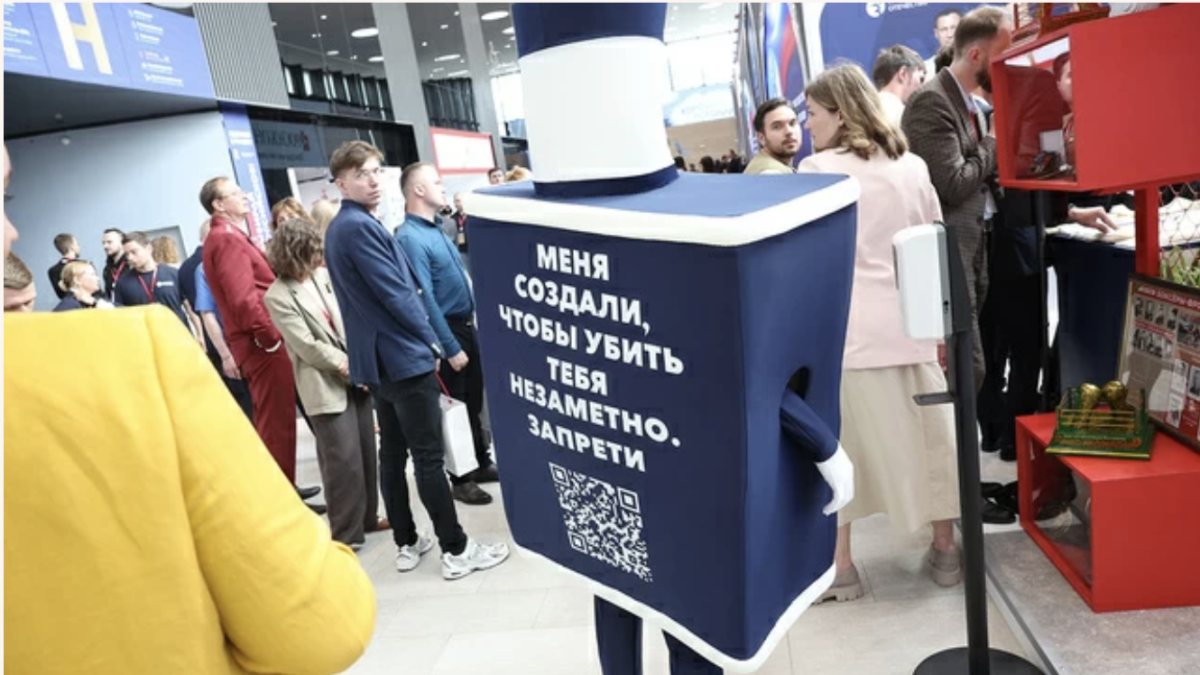
- As of November 7, 17 Russian regions had adopted vape retail ban decisions, with 39 more preparing legislation. The main restrictions are scheduled to begin in March 2027.
- Leningrad Oblast unanimously passed a five-year ban on November 12 with 43 votes in favor. Karelia adopted similar legislation the same day, following Mari El's approval on November 10.
- St. Petersburg passed its proposed ban in the first reading on November 11 by 50 votes to none. The city has 615 specialist vape shops and more than 2,400 mixed-product retail outlets selling vaping products.
- Federal Law No. 186-FZ allows regional bans and restricts licensed businesses from supplying vaping devices and liquids to retail premises in affected regions, with license revocation possible for violations.
2Firsts
November 13, 2026
Russia's regional vape retail bans are expanding after lawmakers in Leningrad Oblast and the Republic of Karelia adopted legislation on November 12 prohibiting sales of electronic nicotine delivery systems and related liquids from March 1, 2027.
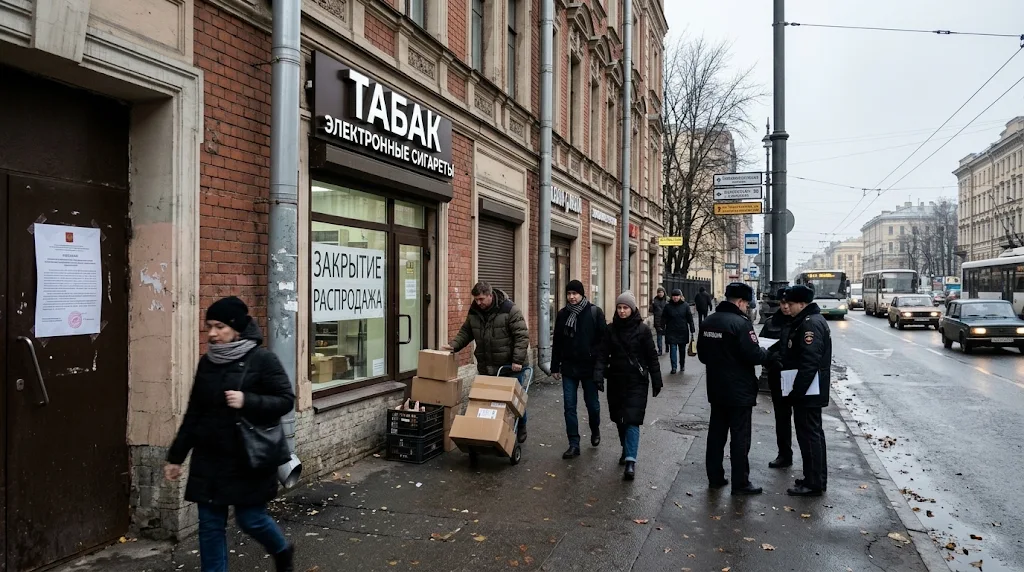
A day earlier, St. Petersburg's legislative assembly approved a similar proposal in its first reading, potentially affecting more than 3,000 retail outlets selling vaping products in Russia's second-largest city.
State Duma Speaker Vyacheslav Volodin said on November 7 that 17 Russian regions had adopted vape retail ban decisions, while another 39 were preparing or considering related legislation.
Those figures reflect the position as of November 7 and have not been recalculated to include subsequent regional developments. Under Federal Law No. 186-FZ, enacted in June 2026, regions may impose temporary retail bans beginning March 1, 2027, for a period of up to five years.
St. Petersburg Advances Ban Affecting More Than 3,000 Vape Retail Outlets
St. Petersburg's legislative assembly approved a bill on November 11 to prohibit retail sales of electronic nicotine delivery systems (ENDS) and related liquids.
All 50 lawmakers voted in favor of the proposal in its first reading.
The ban would run from March 1, 2027, to March 1, 2032.
The proposal was introduced by the assembly's Budget and Finance Committee and its Social Policy and Healthcare Commission.
Denis Chetyrbok, the lawmaker presenting the proposal, said the measure was intended to reduce access to vaping products, particularly among minors and young adults.
Unlike existing restrictions on sales to minors, the proposed ban would apply to consumers of all ages.
According to St. Petersburg's Committee for Industrial Policy, Innovation and Trade, the city has 615 specialist vape shops, representing approximately 0.6% of its retail establishments.
Chetyrbok also said more than 2,400 additional retail outlets sell vaping products alongside other goods, primarily conventional tobacco products.
If enacted, specialist vape retailers may need to change their business models or cease operations, while mixed-product retailers could remove the prohibited products and continue selling other goods.
The bill's sponsors estimated that the measure could reduce local budget revenue by tens of millions of rubles annually. The figure represents a legislative estimate rather than an observed fiscal loss.
Lawmakers are expected to consider the bill further on November 18. As of November 13, the St. Petersburg proposal had not completed the local legislative process.
Leningrad Oblast and Karelia Adopt Bans as Neighboring Regions Coordinate Restrictions
On November 12, lawmakers in Leningrad Oblast, which surrounds St. Petersburg, unanimously passed legislation prohibiting retail sales of vaping devices and related liquids.
The regional assembly completed all three readings at the same sitting, with all 43 participating lawmakers voting in favor.
The ban is scheduled to take effect on March 1, 2027, and remain in place until March 1, 2032. Violations will be subject to applicable administrative penalties.
Leningrad Oblast legislative speaker Sergey Bebenin said the region was coordinating with St. Petersburg to maintain consistent regulatory conditions across the metropolitan area and reduce cross-regional purchases arising from differences in local rules.
The two regions are closely connected through their retail markets and economic activity. Coordinated restrictions would limit opportunities for retailers in neighboring jurisdictions to serve consumers seeking vaping products unavailable in a restricted region.
The Republic of Karelia also adopted legislation on November 12 banning retail sales of electronic nicotine delivery systems and related liquids from March 1, 2027.
Karelia's regional head Artur Parfenchikov said the implementation period would give businesses time to adjust and regulatory authorities time to prepare for enforcement.
The Mari El Republic had already adopted similar legislation on November 10, prohibiting retail sales of the covered products between March 1, 2027, and March 1, 2032.
Kaliningrad Oblast is also considering restrictions. Governor Alexey Besprozvannykh submitted a proposed ban on November 11, with legislative consideration scheduled for November 18.
According to Kaliningrad's economic development authorities, the region has 2,807 outlets selling tobacco products and 2,292 outlets selling nicotine-containing products. The latter figure does not represent exclusively specialist vape stores.
The explanatory materials accompanying the Kaliningrad proposal report 1,237 complaints and 594 identified violations concerning electronic nicotine delivery systems between 2023 and 2026.
| Region | Latest Legislative Development | Proposed Implementation |
|---|---|---|
| St. Petersburg | First-reading approval on November 11, 50 votes in favor; final passage pending | March 1, 2027–March 1, 2032 |
| Leningrad Oblast | Completed three readings on November 12, 43 votes in favor | March 1, 2027–March 1, 2032 |
| Republic of Karelia | Regional assembly adopted the ban on November 12 | From March 1, 2027 |
| Mari El Republic | Regional legislature adopted the law on November 10 | March 1, 2027–March 1, 2032 |
| Kaliningrad Oblast | Bill submitted on November 11, consideration scheduled for November 18 | Proposed March 2027 start |
These developments followed Volodin's November 7 statement. Since some newly reported regional decisions may overlap with the regions previously counted as having adopted or considered restrictions, the figures cannot simply be added together to produce a revised national total.
Federal Law Allows Five-Year Bans and Extends Restrictions to Licensed Suppliers
Federal Law No. 186-FZ, enacted on June 26, 2026, provides the legal basis for regional vape retail bans.
Article 5 authorizes Russian federal subjects to prohibit retail sales of electronic nicotine delivery systems and related liquids between March 1, 2027, and March 1, 2032.
Regional bans cannot extend beyond that five-year period.
The law requires regional authorities to notify the relevant federal regulator after adopting a ban. The regulator must publish and update a list of regions where restrictions apply.
In addition to retail sales restrictions, Article 5 includes provisions affecting the supply of covered products.
Under Parts 5–7, businesses holding specified manufacturing, wholesale or other licenses may not supply electronic nicotine delivery systems and related liquids to licensed retail premises located in regions where bans are in force.
Licensed suppliers violating the restrictions may face revocation of the relevant licenses.
The measures therefore extend beyond specialist vape shops and mixed-product retailers to manufacturers, wholesalers and distributors serving those outlets.
The statutory regional ban targets electronic nicotine delivery systems and their liquids. It does not amount to a general prohibition on conventional cigarettes or heated tobacco products.
Separately, the same federal law introduces a nationwide prohibition on distance sales of tobacco products, nicotine-containing products, hookahs and nicotine consumption devices from March 2027. That provision is distinct from the regional vape retail bans.
As Leningrad Oblast, Karelia and other regions complete their legislative procedures, businesses operating in Russia will need to adjust retail product ranges, distribution arrangements and license compliance according to the restrictions taking effect in each region.
Follow 2Firsts for timely updates on global tobacco and nicotine regulations, market developments and industry trends.
Cover Image generated by AI