Bloomberg-Backed Campaign Wins as Denver Votes to Ban Flavored Nicotine

Nov.05.2025
Bloomberg-Backed Campaign Wins as Denver Votes to Ban Flavored Nicotine
Denver voters have upheld the city’s ban on flavored nicotine products—including fruity vapes and menthol cigarettes—with 72% in favor during the Nov. 4 election. The “Yes on 310” campaign, backed by $5 million from Michael Bloomberg, celebrated the result as a major victory for youth health. Opponents, mostly local vape shop owners, warned of economic harm and called the spending imbalance unfair.

Key Points


  • Result: 72% of voters supported the flavor ban; enforcement expected soon.
  • Context: The 2024 ordinance survives via Referendum 310; repeal effort defeated.
  • Funding: Bloomberg donated $5 million—the largest personal contribution in Denver’s municipal history.
  • Opposition: Vape shop owners cited free choice and small business losses.
  • National Impact: Denver becomes Colorado’s 14th city with flavored nicotine restrictions.


2Firsts, on November 4,2025,—— Voters have decisively supported maintaining Denver’s ban on flavored nicotine products, including fruity e-cigarettes and menthol tobacco, with 72% approval from more than 113,000 ballots counted.


The referendum, known as Measure 310, confirms the 2024 City Council “flavor ban” will remain in force. A “no” vote would have repealed the law.


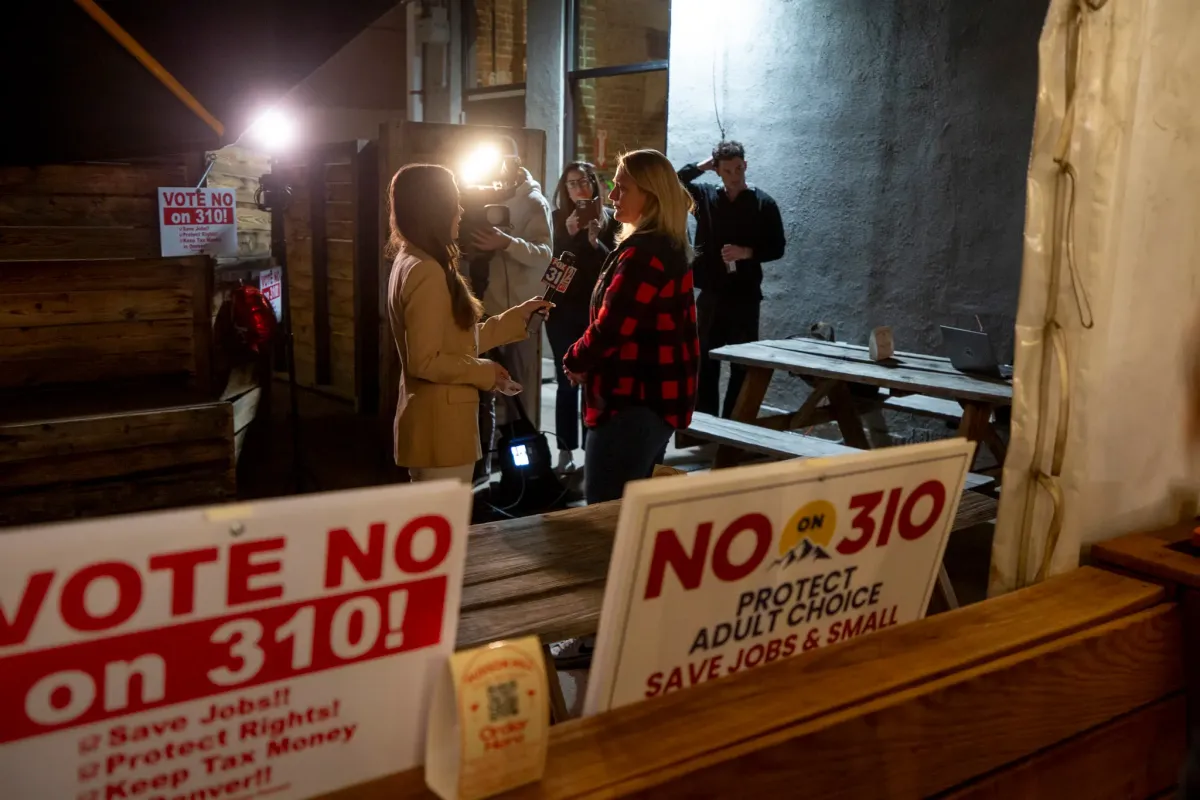
“People care about the health of our children and youth,” said Selena Dunham, outreach coordinator for the Yes on 310 campaign, celebrating the result at Denver’s Spangalang Brewery.


The campaign, branded Denver Kids vs. Big Tobacco, received a record-breaking $5 million donation from Michael Bloomberg, the largest single contribution in the city’s electoral history.


Opponents, led by Citizen Power! and vape shop coalition Rocky Mountain Smoke Free Alliance, raised $652,000. Business owner Phil Guerin said his group was “outspent to the point where voters couldn’t get all the information they needed.”


Denver now joins 13 other Colorado municipalities—including Aspen, Boulder, and Breckenridge—that restrict flavored tobacco sales. Across the U.S., nearly 400 cities and six states have implemented similar measures.


Public health advocates hailed the outcome as a pivotal win for youth protection. “This vote sends a message far beyond Colorado,” said Jodi Radke, regional director of the Campaign for Tobacco-Free Kids.

Image source: Denverite


We welcome news tips, article submissions, interview requests, or comments on this piece.

Please contact us at info@2firsts.com, or reach out to Alan Zhao, CEO of 2Firsts, on LinkedIn


Notice

1.  This article is intended solely for professional research purposes related to industry, technology, and policy. Any references to brands or products are made purely for objective description and do not constitute any form of endorsement, recommendation, or promotion by 2Firsts.

2.  The use of nicotine-containing products — including, but not limited to, cigarettes, e-cigarettes, nicotine pouchand heated tobacco products — carries significant health risks. Users are responsible for complying with all applicable laws and regulations in their respective jurisdictions.

3.  This article is not intended to serve as the basis for any investment decisions or financial advice. 2Firsts assumes no direct or indirect liability for any inaccuracies or errors in the content.

4.  Access to this article is strictly prohibited for individuals below the legal age in their jurisdiction.


Copyright


This article is either an original work created by 2Firsts or a reproduction from third-party sources with proper attribution. All copyrights and usage rights belong to 2Firsts or the original content provider. Unauthorized reproduction, distribution, or any other form of unauthorized use by any individual or organization is strictly prohibited. Violators will be held legally accountable.

For copyright-related inquiries, please contact: info@2firsts.com


AI Assistance Disclaimer


This article may have been enhanced using AI tools to improve translation and editorial efficiency. However, due to technical limitations, inaccuracies may occur. Readers are encouraged to refer to the cited sources for the most accurate information.

We welcome any corrections or feedback. Please contact us at: info@2firsts.com

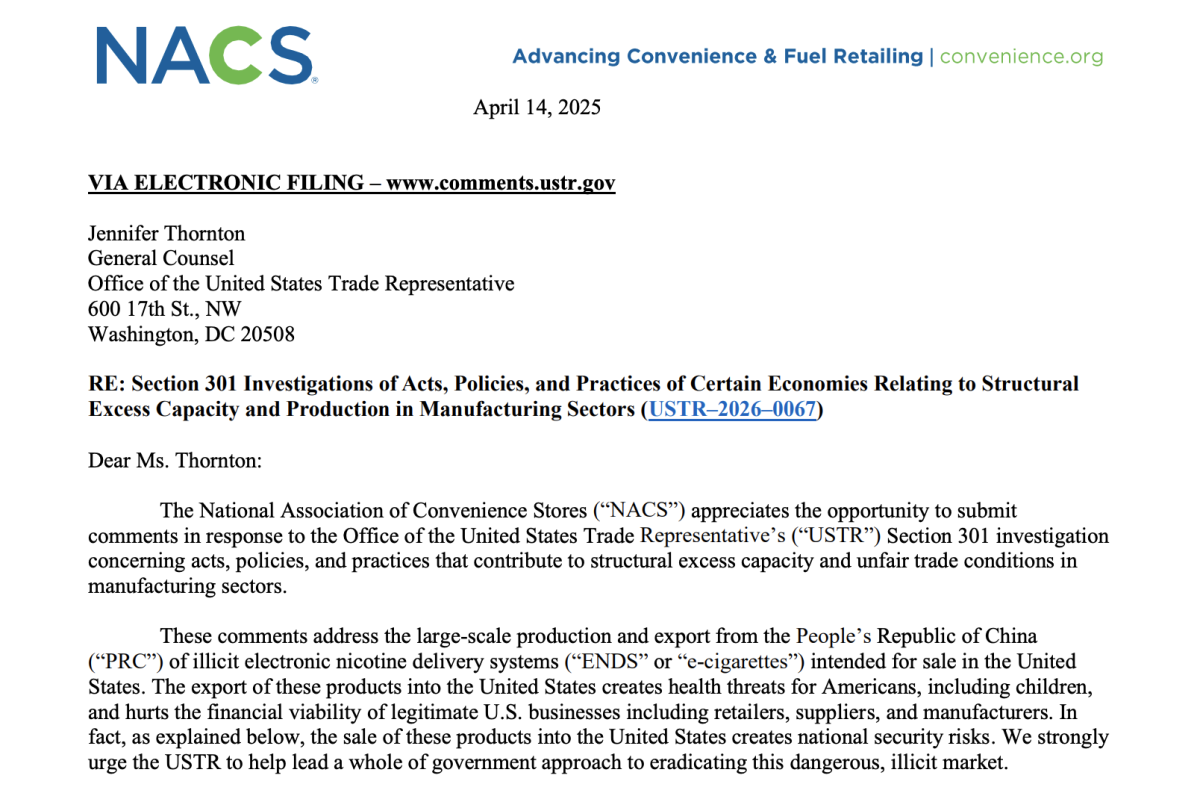
NACS Urges USTR to Address Illegal E-Cigarette Exports in China Trade Engagements
NACS submitted a comment letter to USTR in a proceeding examining unfair trade practices worldwide. The letter focuses on illicit nicotine products made in China and shipped to the United States in violation of U.S. law. NACS said the U.S. electronic nicotine delivery systems market has become dominated by illicit products, mainly disposable e-cigarettes manufactured in China and sold without the marketing authorization required by the U.S. Food and Drug Administration.
Apr.16 by 2FIRSTS.ai
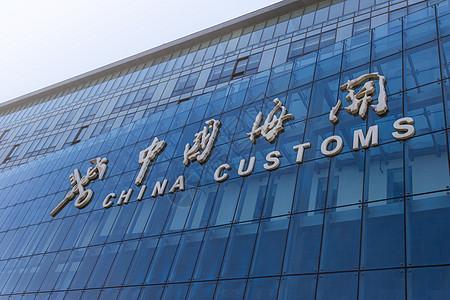
China’s E-cigarette Exports Reach $1.694 Billion in Jan–Feb 2026; U.S., UK, Germany Lead, Japan Rises to Fourth
China Customs Administration released e-cigarette export data for January and February 2025, showing varied monthly performances in 2026.In January, the export value was $940 million, a decrease of 6.2% compared to January 2025's $1.02 billion. In February, the export value was $754 million, a 51.2% increase compared to February 2025's $498 million.
Mar.20 by 2FIRSTS.ai
PMI U.S. to Invest About USD 50 Million in New Business Solutions Center in Tampa
On March 17, PMI U.S. announced an investment of about USD 50 million in a new Business Solutions Center in Tampa, Florida. The center is expected to create about 180 direct and indirect high-skilled jobs and will consolidate business solutions, distribution operations and customer service into one hub.
Mar.18 by 2FIRSTS.ai
Kentucky Governor Signs Tobacco, Nicotine, and Vapor Product Licensing Bill Into Law
A Kentucky bill relating to tobacco, nicotine, and vapor product licensing was signed by the governor on April 10, 2026, and enacted as Acts Chapter 70. The measure sets application requirements for tobacco, nicotine, and vapor product licenses, governs batch licensing, renewals, ownership changes, and denial grounds, and requires the Department of Alcoholic Beverage Control to publish application forms and related regulations within 30 days of the law’s effective date.
Apr.14 by 2FIRSTS.ai
Argentina’s New Nicotine Rules Draw Cautious Optimism and Market Concerns, Local Tobacco Harm Reduction Advocate Says
Argentina’s new tobacco and nicotine framework marks a shift from prohibition toward registration, traceability and health surveillance. Argentine THR advocate Juan Facundo Teme told 2Firsts that adult consumers and parts of the local commercial sector are cautiously optimistic, but concerns remain over flavor limits, registration costs and market access. The policy’s implementation may determine whether Argentina can move informal sales into regulated channels.
May.11
Indonesian Health Ministry Says New Vape Rules Will Cover Age Limits, Advertising, and Product Standards
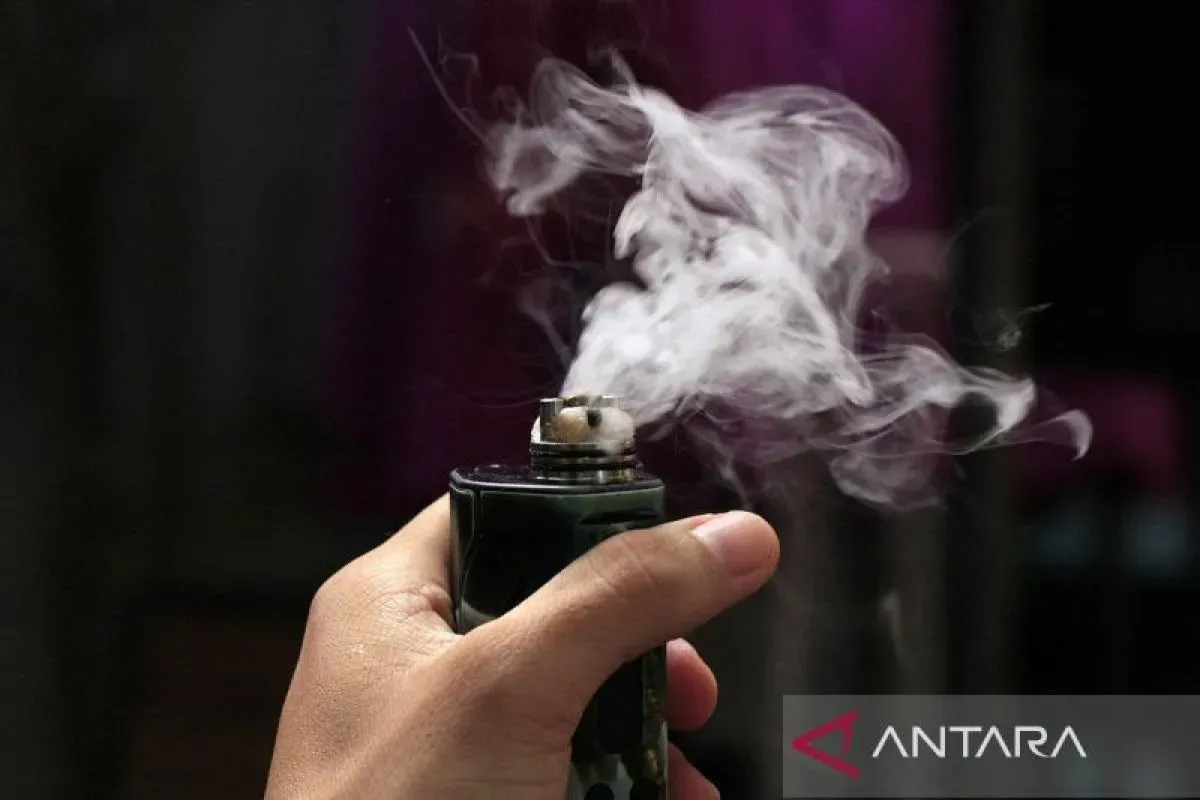
Indonesia’s Ministry of Health is preparing to implement regulations on electronic cigarettes, as provided for in Government Regulation No. 28 of 2024. The ministry said e-cigarettes will be regulated under provisions equivalent to those applied to conventional cigarettes, including age restrictions, advertising controls, product content standards, pictorial health warnings, and bans on use in smoke-free areas.
Apr.16 by 2FIRSTS.ai