FDA Issues 13 Policy Memos on Flavored E-Cigarette Review Methods

Nov.22.2024
FDA Issues 13 Policy Memos on Flavored E-Cigarette Review Methods
FDA has released 13 additional regulatory science policy memos related to the review of premarket applications, detailing the processes and prioritization methods for filing and reviewing PMTAs for flavored e-cigarettes and other products, as well as the basis for specific actions related to environmental assessments.

On November 21st, U.S. Food and Drug Administration (FDA) released additional regulatory science policy memos concerning its review of premarket applications. These memos aim to provide clarity on the agency’s methods and processes for evaluating applications.


The release includes thirteen memos developed between 2020 and 2023 and details FDA's approach to filing and reviewing PMTAs for flavored e-cigarettes and other products, including the criteria for prioritization. The memos also outline the agency's rationale for actions related to environmental assessments.


The memos posted today include:


  • Feb. 20, 2020: To Support the Efficient Filing Review of Premarket Tobacco Product Applications (PMTAs)


  • June 30, 2021: Updated Prioritization of PMTA Filing Reviews (includes an addendum from July 28, 2021)


  • Jan. 21, 2022: Filing Prioritization for PMTAs Received between Sep. 10, 2020, to Nov. 3, 2021 (with an addendum from Feb. 28, 2022)


  • July 9, 2021: ENDS Containing Non-Tobacco Flavored E-Liquid: Approach to PMTAs Not in Substantive Scientific Review (Phase III) (and five addendums from July 28, 2021, Aug. 18, 2021, Nov. 22, 2022, Dec. 7, 2022, and April 27, 2023) 


  • July 16, 2020: Environmental Assessment Criteria to Support Refuse to Accept or Refuse to File Actions on Premarket Applications (with an addendum from May 27, 2021)


FDA notes that these science policy memos provide snapshots of its perspectives at specific times. Consequently, the information may evolve with changes in policies, regulatory frameworks, or regulatory science.  


FDA reviews tobacco product applications based on the specific facts provided in each submission, with findings documented accordingly. As such, the regulatory science policy memos are not intended to serve as tools, guides, or manuals for preparing or submitting applications to FDA.


To support applicants seeking to market new tobacco products, FDA has issued final regulations, including the PMTA final rule. This rule specifies the required content, format, and review procedures for PMTAs and is supplemented by additional guidance documents. FDA also offers resources such as webinars and application tips, which are regularly updated on the CTP's website and social media platforms.


In April 2024, FDA resumed the publication of regulatory science policy memos. With the latest batch released today, the agency has published four sets of memos this year, totaling 26 memos in 2024.

 

Beyond IQOS ILUMA, PMI Expands Lower-Priced BONDS Heated Tobacco Platform: Seven Markets Added in Q3, With Rollouts in Japan, Europe and North Africa
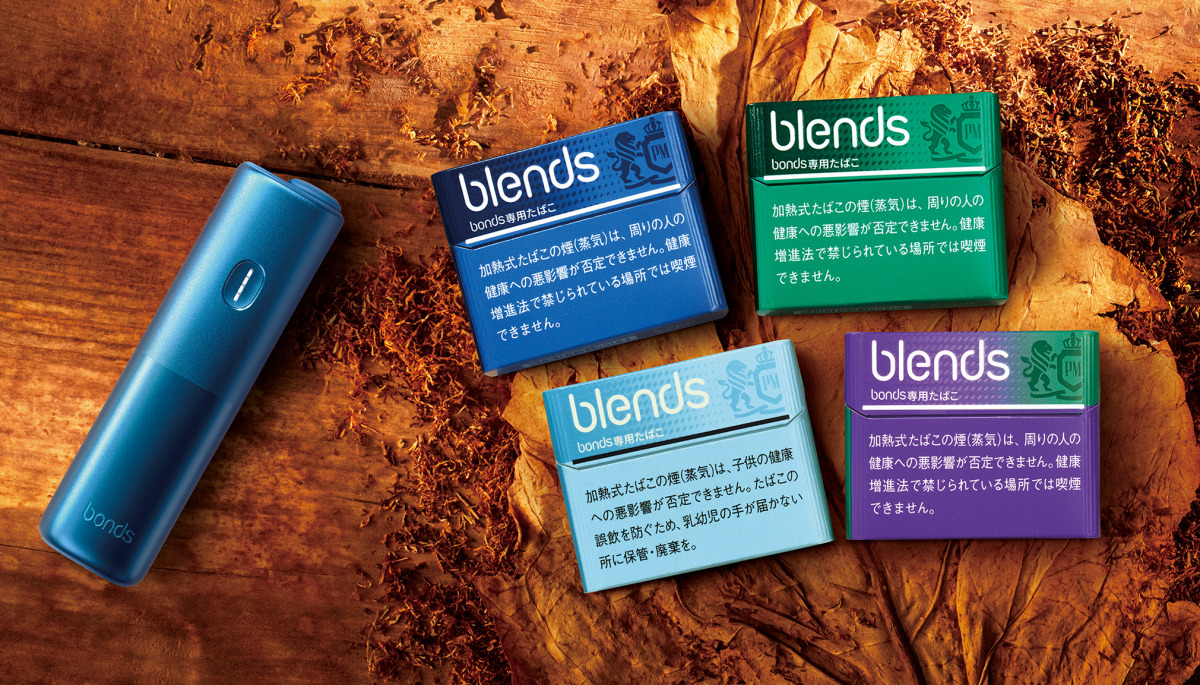
Philip Morris International (PMI) is expanding the international footprint of BONDS by IQOS, its lower-priced heated tobacco platform. The company's third-quarter 2026 SEC filing shows that BONDS devices and BLENDS tobacco sticks were available in 15 markets at the end of September, up from eight at the end of June. In November, PMI announced plans to extend sales from three to 17 Japanese prefectures and introduced BONDS in Spain and Morocco. The platform uses ROUNDHEAT external heating technology and proprietary tobacco sticks, separate from the IQOS ILUMA system. In Japan, BONDS retails for ¥2,980, approximately 25% below ILUMA i ONE, while BLENDS costs ¥570 per pack. PMI management says BONDS targets cigarette smokers who have not adopted heated tobacco. Separate sales and revenue figures remain undisclosed.
company
Nov.06
PMI's IQOS Extends ZAMNA Electronic-Music Partnership to Spain as Vogue España Publishes Branded Content
Philip Morris International's IQOS has extended its partnership with electronic-music event brand ZAMNA to Spain, setting up a House of IQOS at ZAMNA Madrid. Vogue España and Time Out Madrid subsequently published branded content clearly labeled as collaborations with IQOS. PMI has also expanded its company-owned IQOS boutique network in Spain to seven cities this year. The company says IQOS's adjusted heated-tobacco market share in Europe reached 12.6% in the first quarter of 2026, with Spain among its stronger-performing European markets.
Sep.20
NAS 2026 | FDA CTP Director Says PMTA Pathway Is “Predicated on Tobacco Harm Reduction”
At the 2026 New Approaches Summit in New York, FDA Center for Tobacco Products Director Bret Koplow said the PMTA pathway is “predicated on tobacco harm reduction.” He outlined four CTP priorities: youth prevention, helping adults quit or switch to lower-risk products, improving relative-risk communication, and reducing unauthorized products. Koplow also addressed flavored e-cigarettes, public risk perceptions, industry credibility and efforts to make PMTA reviews more efficient and predictable.
Sep.26
PMI Pushes Smoke-Free Business in Latin America as Argentina Lifts Heated Tobacco Ban, Mexico City Share Tops 7%
Philip Morris International (PMI) showcased IQOS heated tobacco systems and nicotine pouch products at Technovation 2026 in Buenos Aires on October 7–8, presenting research on consumer attitudes, regulatory developments and illicit cigarette trade across Latin America. PMI Chief Global Growth Officer Stefano Volpetti said smoke-free products accounted for more than 7% of the Mexico City market. Argentina repealed its heated tobacco ban in May 2026 and introduced registration requirements for tobacco and nicotine products, while local media reported nicotine pouch sales in Mendoza. A PMI-commissioned survey found that only 8% of respondents across four Latin American countries were familiar with nicotine pouches. A separate KPMG study estimated illicit cigarette consumption at 77 billion sticks across 11 markets in Latin America and Canada in 2025.
PMI
Oct.13
Canada Considers Easing Pharmacy-Only Nicotine Pouch Sales Rules, Potentially Reopening Convenience Store Channel
Canada's federal government is considering changes to current restrictions on where nicotine pouches can be sold, potentially allowing authorized products to return to convenience stores and other general retail channels, although no decision has been made. Since 2024, emerging nicotine replacement therapy products such as nicotine pouches have been largely restricted to behind-the-counter pharmacy sales. Health Canada, meanwhile, continues to recall unauthorized and higher-strength nicotine pouches, indicating that the current discussion concerns retail access for authorized products rather than a broad relaxation of nicotine pouch regulation.
Sep.14
How Many Nicotine Pouch Factories Does Europe Need? 2Firsts Interviews AIRSCREAM on the OEM Market
At InterTabac 2026, nicotine pouch growth was visible not only in brands but across equipment, raw materials and OEM manufacturing. 2Firsts interviewed AIRSCREAM commercial head Steve Moore on how many pouch factories Europe may ultimately need and where manufacturers can differentiate, from formulation and flavour to pouch materials, production consistency and customer service. The category continues to expand, but questions remain over future capacity, consolidation and the long-term structure of the supply chain.
Sep.18