According to a report from Reuters on May 30th, the U.S. FDA and independent researchers have stated that although scientific data is still incomplete, nicotine replacement products, such as 6-methyl nicotine, that are expected to be introduced in e-cigarettes in the U.S. and abroad may have more potential for addiction than nicotine itself.
The FDA stated that the chemical structure of these synthetic substances is similar to nicotine and is not subject to the regulations in the United States aimed at controlling traditional tobacco and e-cigarette products containing nicotine. This means that manufacturers can sell e-cigarettes containing synthetic nicotine-like substances such as 6-methyl nicotine in the US without obtaining authorization from the FDA. The process of obtaining FDA approval can be time-consuming, costly, and often unsuccessful.
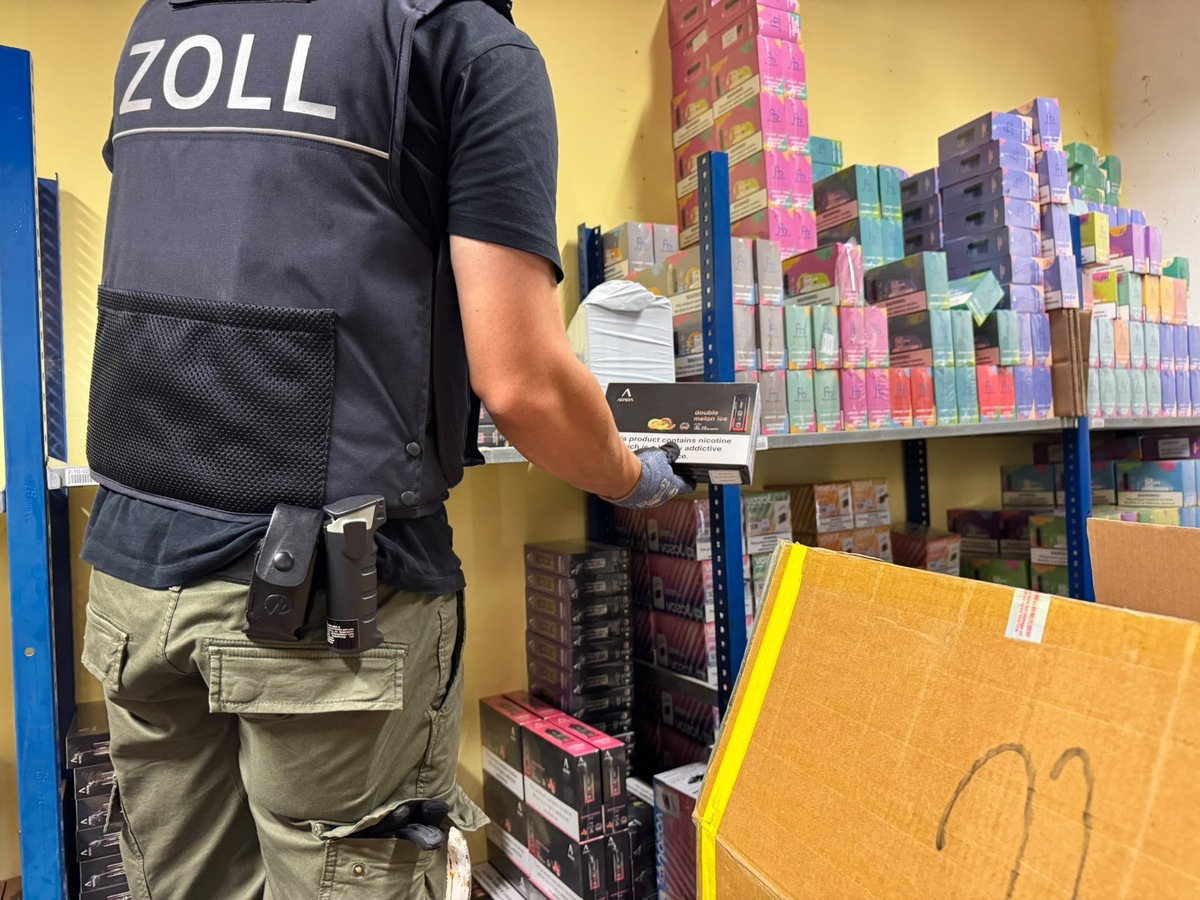
Altria Group and British American Tobacco, along with other major tobacco companies, have been illegally selling disposable e-cigarettes containing traditional nicotine due to their inability to obtain FDA authorization. As a result, e-cigarette sales in the US have significantly declined. Altria emphasized the emerging use of 6-methyl nicotine in e-cigarettes in a letter sent to the FDA on April 5, a copy of which has been published on their website. The letter urges the FDA to address the black market threat posed by e-cigarettes containing nicotine. The FDA has not yet commented on this issue.
The letter references the e-cigarette "SPREE BAR" launched by Charlie's Holdings Inc in October, which uses 6-methyl nicotine.
Charlie's Holdings has named the 6-methyl nicotine solution used in its "SPREE BAR" as "Metatine." According to its website, Metatine "may have similar toxicity to nicotine." Co-founder Ryan Stump acknowledges the need for more research on 6-methyl nicotine and adds that the company dilutes it in their products. He emphasizes that the "SPREE BAR" is only intended for adults and supports the importance of flavors in helping smokers quit. Stump states that they respect and comply with the laws in each market where they operate.
It is reported that Charlie's Holdings is developing a new variety of "SPREE BAR" and a new product containing 6-methyl nicotine. The company will launch "SPREE BAR" this year, but has not disclosed the specific market location.
A store owner in Colorado selling "SPREE BAR" stated that they have not received any negative feedback about the product so far.
Samuel Benaim, founder of Novel Compounds, stated that they are purchasing a 6-methyl nicotine solution used in the "SPREE BAR" from another American company. The solution is sold under the brand name "imotine" and is imported by Novel Compounds from overseas and modified for manufacturer use.
Beinum explained that tests found that the harm of 6-methylnicotine is not greater than nicotine, but further research is needed. He added that they have received legal advice that their product is not classified as a tobacco product or drug in the United States, and the company is committed to complying with the law.
In response to questions about 6-methyl nicotine and other nicotine replacement products, the FDA stated in a press release:
Although more research is still needed, some emerging data suggests that these nicotine analogs may be more effective than nicotine itself—nicotine is highly addictive, can alter adolescent brain development, and have long-term impacts on attention, learning, and memory in adolescents.
The FDA has stated that it is considering the use of such synthetic compounds from a "whole agency perspective" and will utilize all resources to protect adolescents from potential harm caused by other health products.
Three academic researchers stated that the current research on 6-methyl nicotine is too limited to draw clear conclusions about its health effects or addictive potential.
Another company, Aroma King, sells 6-methyl-nicotine nicotine pouches in the UK, which users can simply place under their lips to get a buzz. These small pouches are sold in cans. In a blog post in February, Aroma King stated that their 6-methyl-nicotine products are "less toxic," "less harmful," and "less addictive" compared to regular nicotine products.
In response to a statement from Reuters, Aroma King cited existing studies, their own toxicology and other tests, as well as their suppliers, who classify 6-methyl nicotine as low toxicity according to the European Union's Classification, Labeling, and Packaging (CLP) regulation for chemicals. Aroma King stated that their supplier independently classified 6-methyl nicotine, but did not disclose the identity of the supplier.
According to reports, four Chinese companies hold patents related to the production of 6-methyl nicotine in China, including Zinwi Bio (Zinwi Biotech), which produces e-cigarette liquid. Zinwi Bio has confirmed that they are studying 6-methyl nicotine but did not answer further questions, including whether they have sold 6-methyl nicotine so far.
We welcome news tips, article submissions, interview requests, or comments on this piece.
Please contact us at info@2firsts.com, or reach out to Alan Zhao, CEO of 2Firsts, on LinkedIn
Notice
1. This article is intended solely for professional research purposes related to industry, technology, and policy. Any references to brands or products are made purely for objective description and do not constitute any form of endorsement, recommendation, or promotion by 2Firsts.
2. The use of nicotine-containing products — including, but not limited to, cigarettes, e-cigarettes, nicotine pouchand heated tobacco products — carries significant health risks. Users are responsible for complying with all applicable laws and regulations in their respective jurisdictions.
3. This article is not intended to serve as the basis for any investment decisions or financial advice. 2Firsts assumes no direct or indirect liability for any inaccuracies or errors in the content.
4. Access to this article is strictly prohibited for individuals below the legal age in their jurisdiction.
Copyright
This article is either an original work created by 2Firsts or a reproduction from third-party sources with proper attribution. All copyrights and usage rights belong to 2Firsts or the original content provider. Unauthorized reproduction, distribution, or any other form of unauthorized use by any individual or organization is strictly prohibited. Violators will be held legally accountable.
For copyright-related inquiries, please contact: info@2firsts.com
AI Assistance Disclaimer
This article may have been enhanced using AI tools to improve translation and editorial efficiency. However, due to technical limitations, inaccuracies may occur. Readers are encouraged to refer to the cited sources for the most accurate information.
We welcome any corrections or feedback. Please contact us at: info@2firsts.com