Indonesia's e-cigarette industry expected to create 210,000-280,000 jobs by 2030, with tax revenue reaching 2.65 trillion Indonesian Rupiah in 2024

Sep.26.2025
Indonesia's e-cigarette industry expected to create 210,000-280,000 jobs by 2030, with tax revenue reaching 2.65 trillion Indonesian Rupiah in 2024
E-Cigarette Industry in Indonesia Expected to Create Up to 280,000 Jobs by 2030, Boosting Tax Revenue.

Key points:


·Employment growth expectations: By 2023, the e-cigarette industry supply chain in Indonesia has created 150,000 - 200,000 job positions; with stable regulation and enhanced illegal monitoring, it is expected to add 210,000 - 280,000 more jobs by 2030, with a total employment scale reaching 490,000, growing in tandem with the expansion of e-cigarette users, distribution channels, and the development of small and medium retail enterprises.​ 

·Tax contribution: In 2024, the e-cigarette industry's consumer tax reached 2.65 trillion Indonesian Rupiah (approximately 1.5 billion USD), increasing by 43.7% compared to 2023, and more than 20 times higher than the 990 billion Indonesian Rupiah (approximately 591 million USD) collected when it was first imposed in 2018.​ 

·Development demands: PPEI and Arvindo call for clear regulatory rules and a roadmap for consumer taxes, believing that a stable and fair policy environment can maintain investment confidence, promote job creation and tax sustainability. This demand echoes the Finance Minister's statement of "balancing policies, protecting industry and workers."​


2Firsts, September 26, 2025 - According to Kontan's report on September 24, it is expected that the number of workers in Indonesia's e-cigarette industry will continue to grow until 2030.


Chairman of the Indonesian E-liquid Manufacturers Association (PPEI), Daniel Boy, revealed that this growth is consistent with the expected increase in e-cigarette users and the expansion of distribution channels. It is projected that the retail small and medium-sized enterprises (SME) sector will grow by 1%-3% annually over the next five years.


Daniel stated on September 24th, "If regulations remain stable and illegal product monitoring programs are further strengthened, by 2030, this could potentially add 210,000 to 280,000 jobs.


Daniel stated that the e-cigarette ecosystem is driving the entire supply chain from e-liquid production to professional retail networks. Thousands of small and medium-sized enterprises in various regions directly benefit, with employment opportunities continuously increasing. By 2023, the entire supply chain from e-liquid manufacturing to distribution and professional retail will create between 150,000 to 200,000 jobs.


However, the Indonesian E-cigarette Retail Association (PPEI) and the Indonesian E-cigarette Retail Association (Arvindo) emphasize that regulatory certainty and a clear roadmap for consumer taxes are key requirements for the e-cigarette industry to continue growing and contribute to the national economy.


He stated that a consistent fiscal policy will maintain the investment environment, encourage job creation, and ensure the sustainability of national income.


The domestic e-cigarette industry is currently in a critical growth stage. We need a fair and stable regulatory environment for local enterprises to survive and develop," said Daniel.


During the same event, Chairman Arvindo, Firmansyah Siregar, added that the constantly expanding market provides opportunities for local industries to grow in a healthy and responsible manner.


He continued to say that this was in line with the news statement issued by Finance Minister Purbaya Yudhi Sadewa on September 19 in Jakarta, which emphasized the need for a balanced consumption tax policy to not only safeguard public health, but also protect industries and workers.


Furthermore, PPEI and ARVINDO also emphasized the importance of regulatory certainty and the role of the e-cigarette industry in creating employment opportunities for local businesses, especially small and medium-sized enterprises.


It is worth noting that the government revenue from other processed tobacco products, including e-cigarettes (HPTL), is increasing. The latest data shows that in 2024, the consumption tax revenue from the e-cigarette industry reached 26.5 trillion Indonesian Rupiah (approximately 1.5 billion US dollars), an increase of 43.7% compared to the previous year.


Compared to the first implementation of the HPTL product consumption tax in 2018 (990 billion Indonesian rupiah, approximately 591 million US dollars), this figure has increased more than 20 times.


We welcome news tips, article submissions, interview requests, or comments on this piece.

Please contact us at info@2firsts.com, or reach out to Alan Zhao, CEO of 2Firsts, on LinkedIn


Notice

1.  This article is intended solely for professional research purposes related to industry, technology, and policy. Any references to brands or products are made purely for objective description and do not constitute any form of endorsement, recommendation, or promotion by 2Firsts.

2.  The use of nicotine-containing products — including, but not limited to, cigarettes, e-cigarettes, nicotine pouchand heated tobacco products — carries significant health risks. Users are responsible for complying with all applicable laws and regulations in their respective jurisdictions.

3.  This article is not intended to serve as the basis for any investment decisions or financial advice. 2Firsts assumes no direct or indirect liability for any inaccuracies or errors in the content.

4.  Access to this article is strictly prohibited for individuals below the legal age in their jurisdiction.


Copyright


This article is either an original work created by 2Firsts or a reproduction from third-party sources with proper attribution. All copyrights and usage rights belong to 2Firsts or the original content provider. Unauthorized reproduction, distribution, or any other form of unauthorized use by any individual or organization is strictly prohibited. Violators will be held legally accountable.

For copyright-related inquiries, please contact: info@2firsts.com


AI Assistance Disclaimer


This article may have been enhanced using AI tools to improve translation and editorial efficiency. However, due to technical limitations, inaccuracies may occur. Readers are encouraged to refer to the cited sources for the most accurate information.

We welcome any corrections or feedback. Please contact us at: info@2firsts.com

NAS 2026 | Cliff Douglas: Risk Continuum Should Play a Central Role in Tobacco Policy
Cliff Douglas, a veteran U.S. tobacco-control and public health policy figure, told NAS 2026 that the “continuum of risk” should play a central role in tobacco policy. He called for clearer market pathways, stronger risk communication, differentiated regulation and enforcement, and said possible FDA reforms to PMTA reviews could be a “welcome correction” if they create a more efficient, predictable route for scientifically substantiated lower-risk products. Read 2Firsts’ on-site coverage.
Sep.26
IVG Parent Secures HMRC Excise Warehouse and Duty Stamp Approvals Ahead of UK Vape Tax
Acme Vape Ltd, the company behind UK vaping brand IVG, has received HM Revenue & Customs approval to operate an excise warehouse for vaping products and participate in the Vaping Duty Stamps Scheme. The UK's Vaping Products Duty will take effect on October 1, 2026, at a flat rate of £2.20 per 10ml of vaping liquid. Acme Vape Ltd says its approved warehouse in Preston will become operational under the new regime on the same date.
Regulations
Sep.18 by 2Firsts Perspectives
Iowa Sets November 16 Vape Directory Launch: Unlisted Products Face Sales Ban, Manufacturers $1,000 Daily Fines per Product
Iowa plans to publish its first vapor products directory on November 16, 2026, after which products not listed will be prohibited from sale or offer for sale in the state. The Department of Revenue expects to begin penalty enforcement on December 17, following an initial 21-business-day period focused on compliance education. Under House File 2677, retailers, distributors and wholesalers selling unlisted products face civil penalties of $300 per product per day, while manufacturers face $1,000 per product per day. Eligibility extends to FDA-authorized products and certain products meeting historical marketing and pending PMTA requirements. The directory program resumed after a federal appeals court vacated a preliminary injunction in July 2026.
Regulations
Nov.05
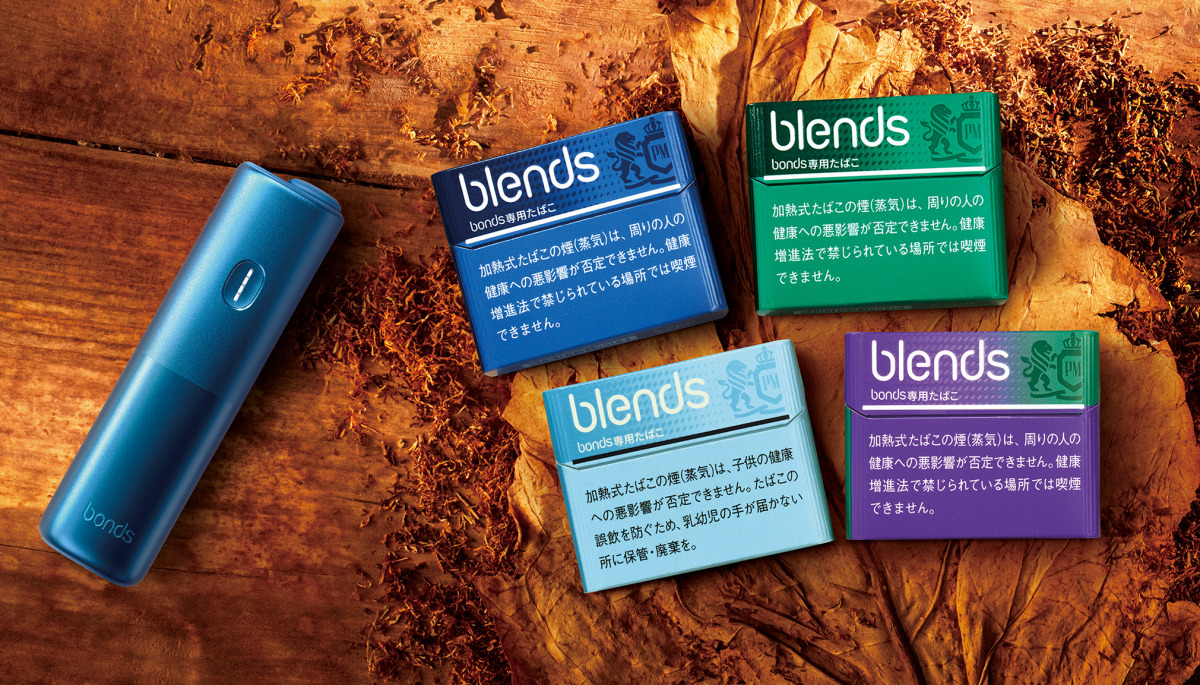
Beyond IQOS ILUMA, PMI Expands Lower-Priced BONDS Heated Tobacco Platform: Seven Markets Added in Q3, With Rollouts in Japan, Europe and North Africa
Philip Morris International (PMI) is expanding the international footprint of BONDS by IQOS, its lower-priced heated tobacco platform. The company's third-quarter 2026 SEC filing shows that BONDS devices and BLENDS tobacco sticks were available in 15 markets at the end of September, up from eight at the end of June. In November, PMI announced plans to extend sales from three to 17 Japanese prefectures and introduced BONDS in Spain and Morocco. The platform uses ROUNDHEAT external heating technology and proprietary tobacco sticks, separate from the IQOS ILUMA system. In Japan, BONDS retails for ¥2,980, approximately 25% below ILUMA i ONE, while BLENDS costs ¥570 per pack. PMI management says BONDS targets cigarette smokers who have not adopted heated tobacco. Separate sales and revenue figures remain undisclosed.
company
Nov.06
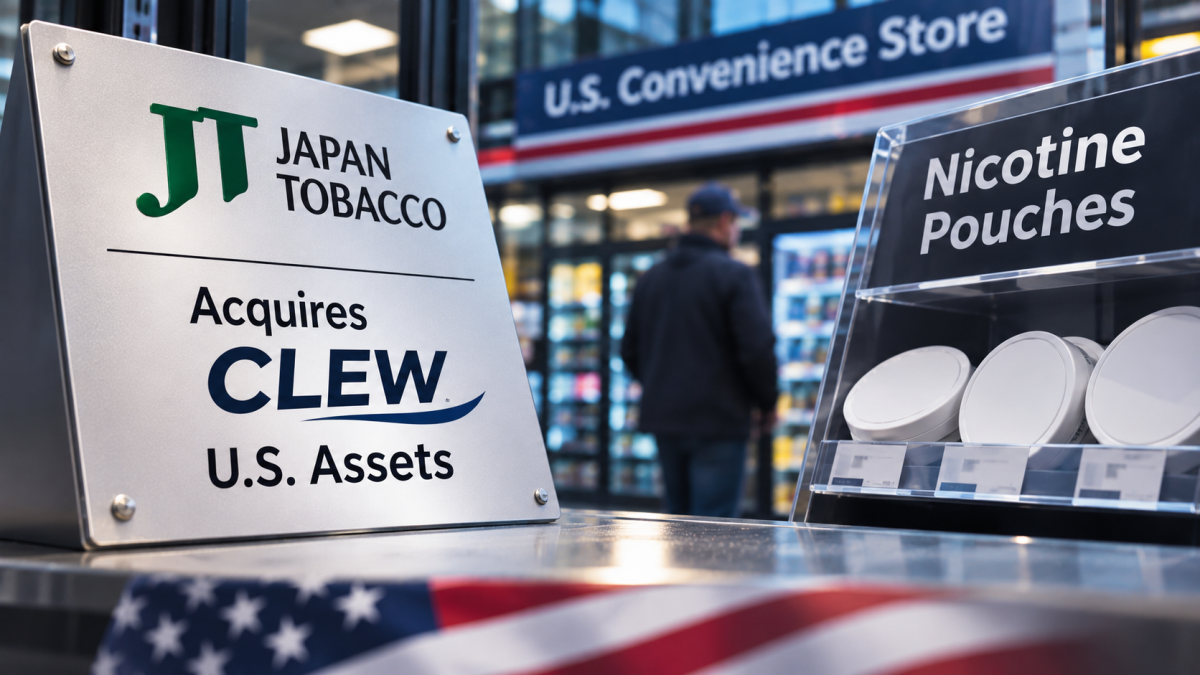
Special Report|Japan Tobacco Buys CLEW: Can Its 160,000-Store Cigarette Network Help It Vie for U.S. Nicotine Pouch Share Against PMI and BAT?
Japan Tobacco Inc. (JT) announced on November 12, 2026, that it had acquired the U.S. assets of nicotine pouch brand CLEW from Nevcore Innovations Inc., including trademarks, intellectual property, product formulations and a Premarket Tobacco Product Application (PMTA). CLEW, currently distributed through selected outlets in 13 U.S. states, will immediately join the JTI LIGGETT portfolio. The transaction follows JT's approximately $2.4 billion acquisition of U.S. cigarette maker Vector Group in 2024. JTI LIGGETT says its existing cigarette brands reach more than 160,000 U.S. retail stores. During the 2026 NACS Show in October, JTI LIGGETT booth staff told 2Firsts that the company had not yet launched nicotine pouches in the United States. Although Nevcore previously announced FDA acceptance of CLEW's PMTA, the brand is absent from the agency's current list of authorized nicotine pouch products. JT has not disclosed a retail expansion plan for CLEW.
Business
Nov.12
South Korea Imports 12,126 Kg of Nicotine Analogues From April to August After Bringing Synthetic Nicotine Under Tobacco Law
South Korea's liquid-vape market is showing changes across raw-material imports, product types and sales channels after synthetic nicotine came under the Tobacco Business Act on April 24. Customs data show nicotine-analogue imports totaled 12,126 kilograms from April through August, while synthetic-nicotine imports over the same five months totaled 231,663 kilograms, just 39.3% of the amount imported in March alone. Physical liquid-vape stores tracked in Seoul and Gyeonggi Province fell 9.9%, unmanned outlets edged higher and online sales listings increased from 27,774 to 42,437. Government testing of 105 liquid inhalation products promoted as nicotine-free separately found nicotine in 13 and 6-methylnicotine in 12.
Sep.22