JUUL2 Sued Within a Week of FDA Authorization as AJ Marketing Alleges Infringement of Programmable Vape Patent

Sep.10
JUUL2 Sued Within a Week of FDA Authorization as AJ Marketing Alleges Infringement of Programmable Vape Patent
Less than a week after JUUL2 received U.S. FDA marketing authorization on August 28, 2026, JUUL Labs was sued for patent infringement in federal court in Delaware. AJ Marketing LLC filed the complaint on September 3, alleging that both JUUL 1 and JUUL2 infringe U.S. Patent No. 8,851,068 B2. The patent covers aspects of programmable electronic vaporization devices, including controls over dose delivery, usage frequency and operating parameters. The plaintiff is seeking reasonable royalties and ongoing royalties tied to the remaining life of the patent. JUUL has not yet publicly responded to the case.

Key Points

  • The FDA authorized the JUUL2 device and two 1.6% pods on August 28.
  • AJ Marketing sued JUUL Labs on September 3 in Delaware federal court, alleging infringement by JUUL 1 and JUUL2.
  • The patent covers programmable vaporization controls, including limits on maximum dose or activations within a defined period.
  • The plaintiff seeks reasonable royalties and ongoing royalties; the litigation is at an early stage and has not affected JUUL2’s existing FDA marketing authorization.

2Firsts

September 9, 2026

According to federal court records in Delaware and reporting by Bloomberg Law, AJ Marketing LLC filed a patent infringement lawsuit against JUUL Labs on September 3, 2026, alleging that JUUL 1 and JUUL2 infringe U.S. Patent No. 8,851,068 B2.

The case was filed less than a week after JUUL2 received FDA marketing authorization on August 28, adding an intellectual-property dispute just as JUUL regained a clearer regulatory path for U.S. commercialization.

JUUL2 Had Just Received FDA Marketing Authorization

The FDA on August 28 authorized the marketing of the JUUL2 system, including the JUUL2 device and two 1.6% pods: Virginia Tobacco and Polar Menthol.

The agency said its review found evidence that some adult smokers completely switched to JUUL2 and imposed postmarket and marketing requirements on the products.

FDA data showed that at six weeks, approximately 19.9% to 34.6% of adult smokers using the tobacco-flavored product had completely stopped smoking cigarettes, while the corresponding range for the menthol-flavored product was about 28.4% to 49.3%.

The authorization represented a major U.S. market-access milestone for JUUL.

AJ Marketing Filed Suit Five Days Later

On September 3, AJ Marketing filed suit in the U.S. District Court for the District of Delaware.

The case is docketed as 1:2026cv01110.

The plaintiff alleges that both JUUL 1 and JUUL2 use technology covered by U.S. Patent No. 8,851,068 B2.

The patent concerns programmable electronic vaporization technology, including electronic controls that meter delivery of a substance and regulate how the device can be used.

Its claims include features allowing users to change operating parameters and limiting either the maximum dose that can be delivered or the number of activations permitted within a defined period.

Patent Predates JUUL2 by More Than a Decade

The ’068 patent traces its priority to 2009, was filed in 2010 and was granted in 2014.

Public patent records identify Scott A. Cohen and Michael J. Bedecs as inventors and AJ Marketing LLC as assignee.

Bloomberg Law, citing the complaint, reported that the underlying work originally involved research into aerosolized delivery of substances such as caffeine and vitamin B12 before being developed into broader programmable vaporization technology.

The patent therefore predates JUUL2 by many years.

Plaintiff Seeks Royalties and Ongoing Compensation

AJ Marketing is asking the court to find JUUL liable for infringement and award at least a reasonable royalty.

Bloomberg Law reported that the plaintiff is also seeking compensation for alleged infringement during the six years preceding the lawsuit, along with ongoing royalties for the remaining life of the patent.

The patent is expected to expire in January 2031.

The case remains at an early stage, and the court has not ruled on the merits of the infringement allegations.

JUUL has not publicly issued a formal response to the lawsuit.

Patent Case Does Not Automatically Affect FDA Authorization

JUUL2’s FDA marketing authorization and AJ Marketing’s civil patent case operate under separate legal frameworks.

FDA authorization through the PMTA process determines whether a tobacco product may be marketed in the United States, while the patent dispute concerns private intellectual-property rights and potential financial remedies.

There is currently no public indication that the lawsuit has caused the FDA to suspend, revoke or modify JUUL2’s marketing authorization.

For JUUL2’s commercialization, the immediate risks relate more to potential licensing costs, damages and future product-design or IP arrangements than to its current regulatory market access.

JUUL Enters a New Commercial Phase

JUUL2’s FDA authorization placed JUUL back into a more defined compliance pathway in the U.S. market.

The patent case shows that regulatory authorization is not the only barrier to commercial rollout.

For mature vaping platforms, commercialization risks also include patent exposure, supply-chain dependencies, channel access and competitive disputes.

JUUL itself has previously used patent litigation and U.S. International Trade Commission proceedings to protect its intellectual property against rivals.

The latest case reverses that position, with JUUL now defending its own products against infringement allegations.

As the U.S. vaping market becomes increasingly concentrated around a smaller number of FDA-authorized platforms, disputes over core device technologies and patent rights may become a more visible commercial factor.

Follow 2Firsts for timely updates on global tobacco and nicotine regulations, market developments and industry trends.

Cover Image: bloomberglaw

China Tobacco Regulator Deputy Head Visits Laos as Both Sides Strengthen Cooperation on Illegal Tobacco Trade
China’s official Xinhua News Agency reported that Liu Sanjiang, deputy head and Party group member of China’s tobacco regulator, led a delegation to Laos from July 31 to Aug. 2, 2026, for discussions with Lao authorities on combating cross-border illegal tobacco trade. The two sides discussed areas including law enforcement cooperation, information sharing and efforts to address tobacco-related illegal activities such as counterfeiting and smuggling. The visit highlights cooperation between Chinese and Lao authorities on illicit tobacco control.
News
Aug.05
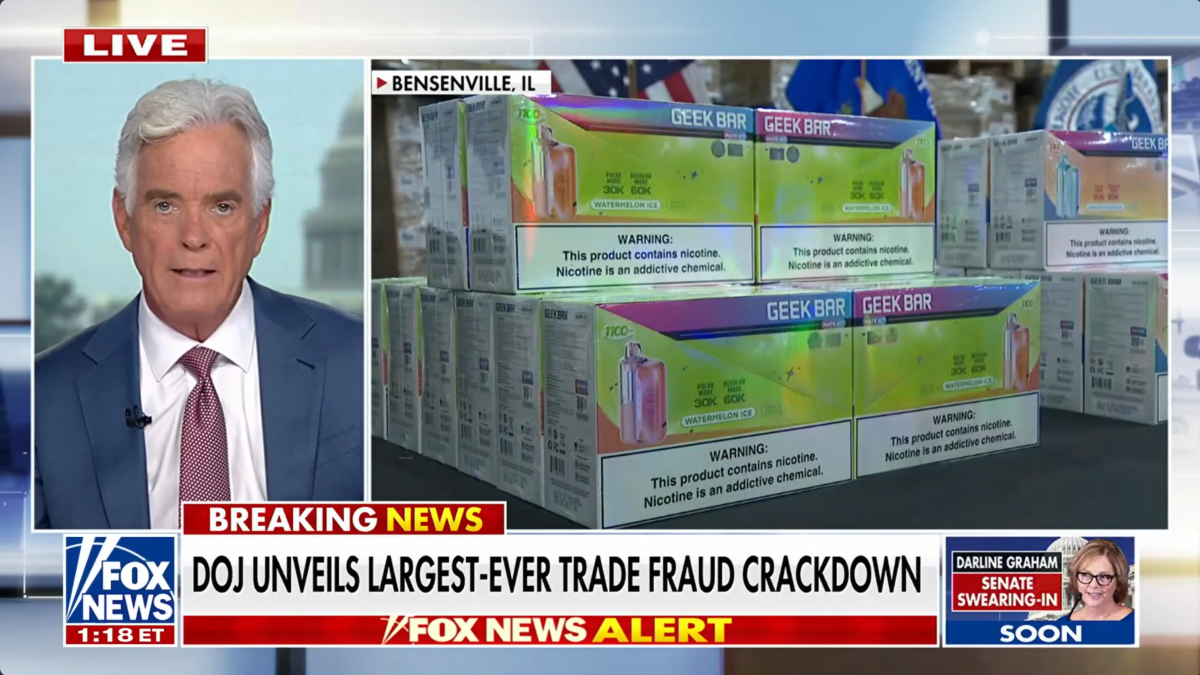
DOJ Trade Fraud Task Force Tops $1 Billion in Cases, Putting Vape Supply Chains at Risk of Fraud Enforcement
According to the U.S. Department of Justice (DOJ), Fox News and other reports, the DOJ’s Trade Fraud Task Force (TFTF) has been linked to more than $1 billion in recoveries, penalties, forfeitures and publicly charged losses in less than one year. The task force focuses on trade fraud issues including country-of-origin fraud, illegal transshipment, false declarations and tariff evasion. While vape products are not the main source of the $1 billion figure, the industry’s reliance on global manufacturing and cross-border supply chains places it within broader U.S. trade enforcement scrutiny. The development suggests that U.S. oversight of cross-border vape products may increasingly extend beyond product authorization into import compliance, supply-chain transparency and corporate accountability.
Jul.23
Malaysia’s Vape Rules Face Review as Health Minister Dzulkefly Ahmad Addresses Dropped Nicotine Appeal
According to Free Malaysia Today on August 26, 2026, Malaysia’s Health Minister Dzulkefly Ahmad said the Health Ministry would explain the government’s decision to withdraw its appeal against a High Court ruling involving the exemption of liquid nicotine used in vape products from the Poisons List. The High Court previously ruled that the exemption decision was irrational. Dzulkefly said withdrawing the appeal did not mean the government would stop regulating vaping, and that future regulatory approaches would continue under existing legal frameworks.
Aug.28
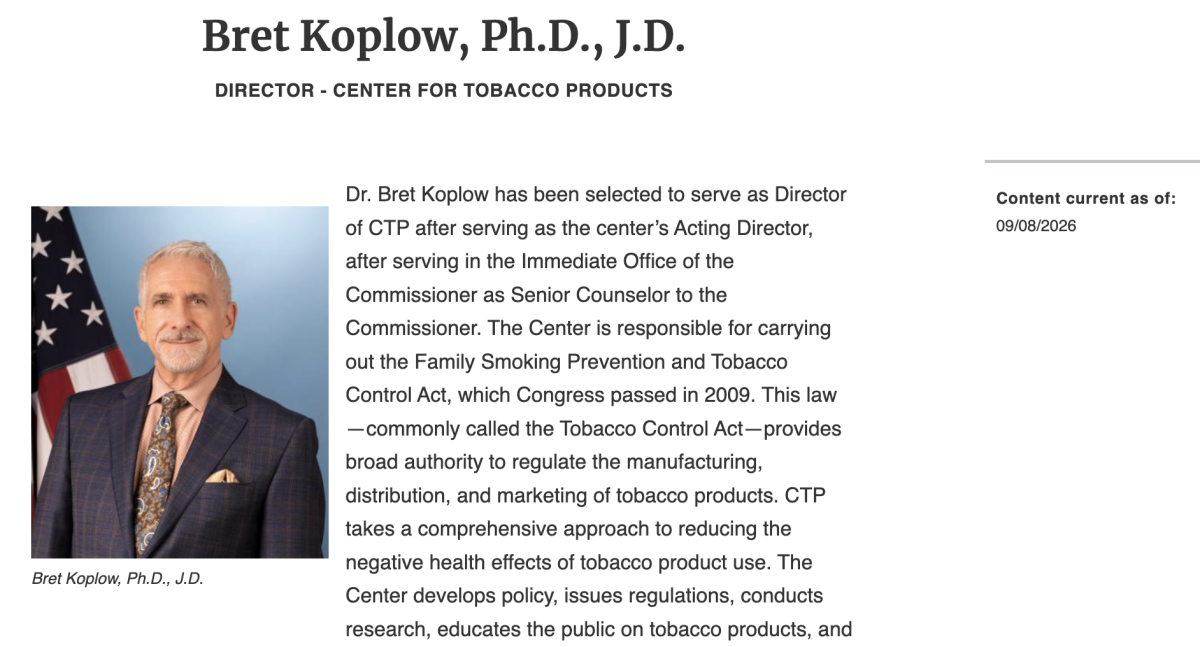
Bret Koplow Takes Permanent Charge of FDA Tobacco Center After Pushing Faster PMTA Reviews, as HHS Emphasizes Innovation and Access to Lower-Risk Alternatives
The U.S. Department of Health and Human Services has named Bret Koplow permanent director of the FDA’s Center for Tobacco Products, ending his period as acting chief. Koplow has spent years working on tobacco regulation, law and policy inside the FDA and, while serving as acting director, pushed for faster PMTA reviews and nicotine pouch review pilots. HHS also said CTP will prioritize innovation and access to less harmful alternatives for adult smokers while continuing efforts to protect youth.
Sep.09
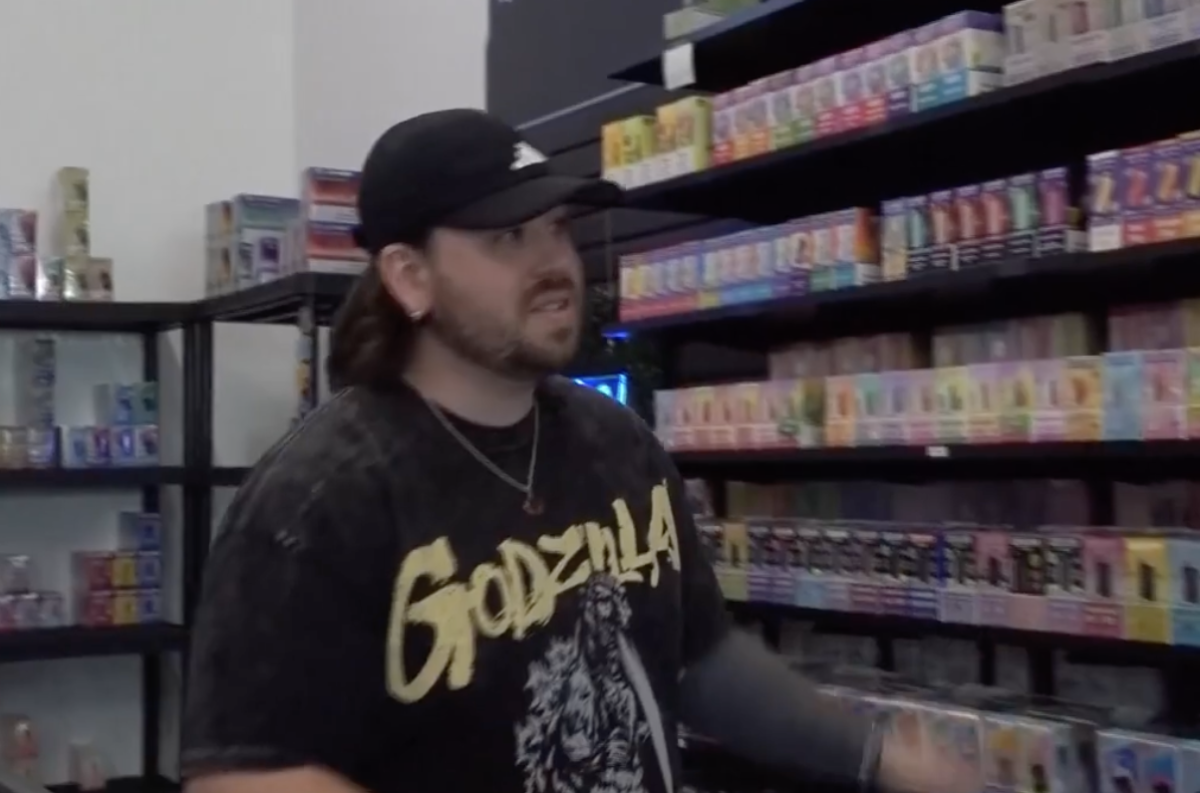
Iowa Enforces Vape Registry Law as Retailers Warn Product Limits Could Increase Store Pressure
Iowa has begun enforcing its vape registry law, requiring vape products to be registered before they can be legally sold in the state. The move follows a decision by the U.S. Court of Appeals for the Eighth Circuit to lift an injunction that had blocked enforcement. Retailers have warned that tighter product availability rules could increase pressure on vape shops. One Iowa retailer said that if only a limited number of products remain available, many stores could face significant business challenges.
Aug.06
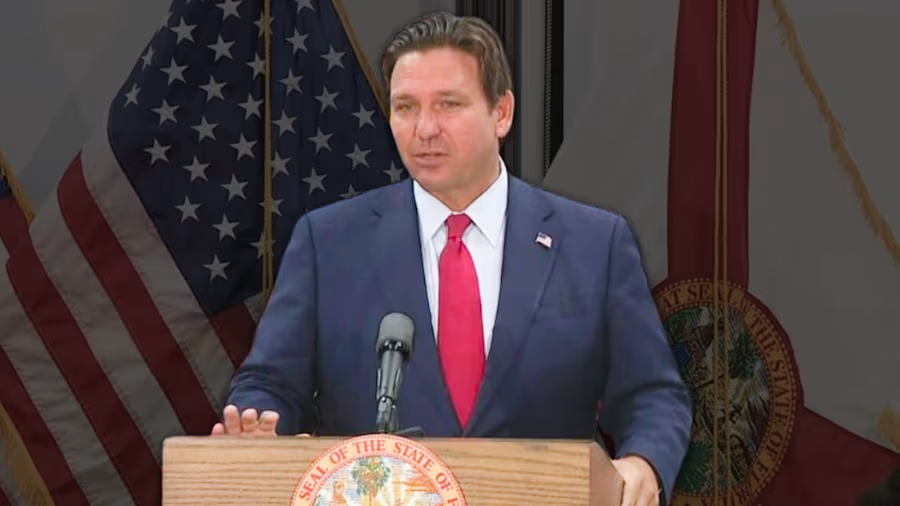
Florida Governor DeSantis Expands TANF Restrictions, Blocking Welfare Benefits From Buying Tobacco and Vapes
Florida Governor Ron DeSantis announced an expansion of Temporary Assistance for Needy Families (TANF) restrictions that would prohibit Electronic Benefit Transfer (EBT) funds from being used to purchase tobacco and vaping products. The state will amend its TANF State Plan and submit the changes for federal approval. Florida officials said the restrictions would not affect eligibility for temporary cash assistance or the amount of benefits received, but would change how funds can be spent.
Aug.25