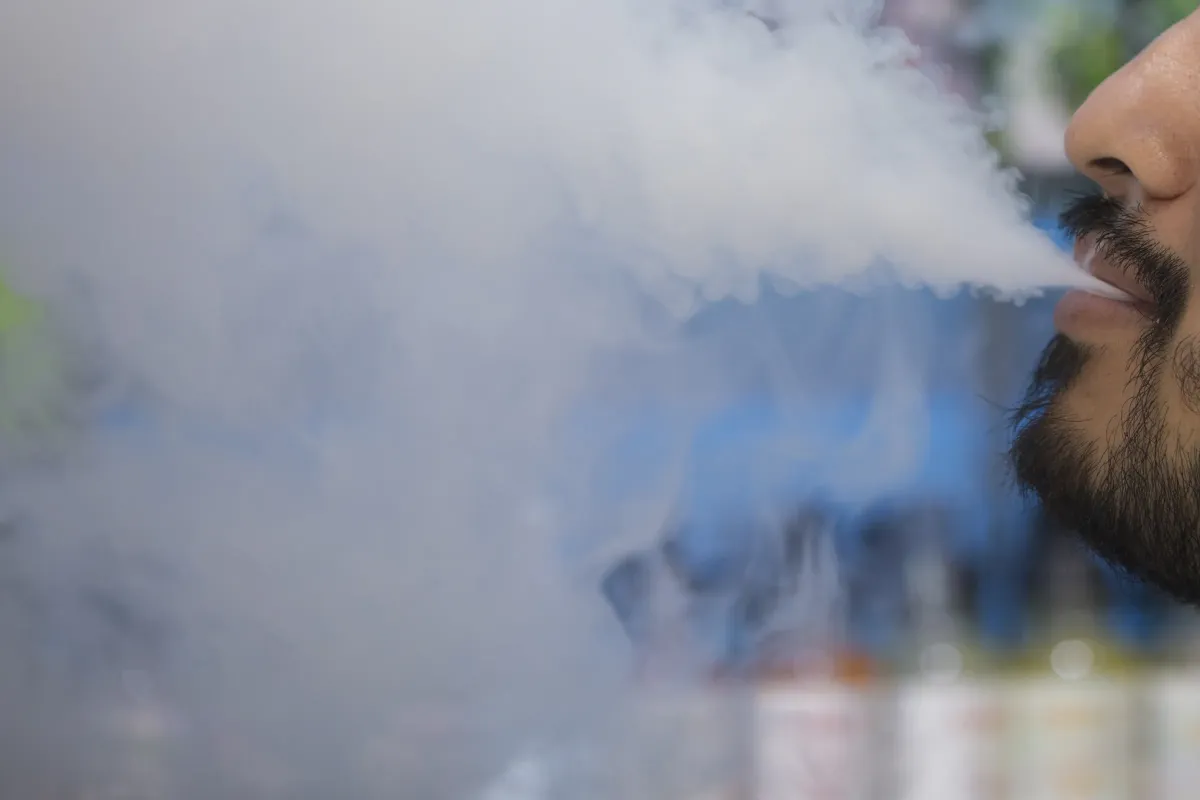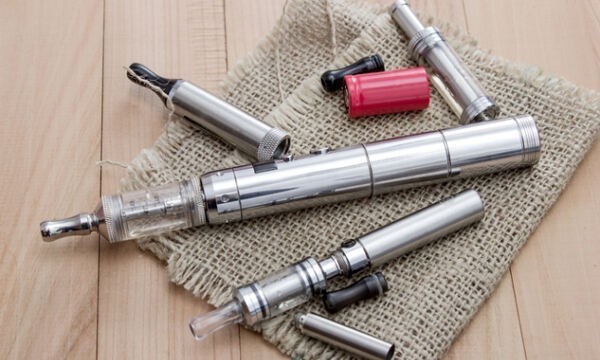
According to South Korean media "NEWS 1," the South Korean Food and Drug Safety Ministry is conducting ingredient analysis on "synthetic nicotine liquid e-cigarettes" and plans to amend relevant laws to strengthen health regulations. Currently, regular cigarettes using natural plant extracts and liquid e-cigarettes containing natural nicotine are subject to multiple regulations by the government. However, e-cigarettes made with synthetic nicotine, a chemical substance, have not been within the scope of regulation as they do not fall under the category of traditional cigarettes.
According to reports, the environmental pollution management of synthetic nicotine e-cigarettes is severely lacking, leading to serious environmental issues. Since 2015, the environmental department has been collecting a waste disposal fee of 24.4 Korean won per pack of conventional cigarettes, generating approximately 850 billion won in government revenue. In contrast, a single product of liquid e-cigarette using natural nicotine only needs to pay a environmental tax of 1.2 Korean won, which is only 1/20 of the fee for conventional cigarettes, sparking criticism of the unfairness of this regulation.
Tobacco industry personnel pointed out that there are many issues with the regulations on liquid e-cigarettes. For example, the amount of nicotine in a single e-cigarette and the size of the plastic container used are almost the same, but taxes are calculated based on individual e-cigarettes, leading to inaccuracies in the environmental impact calculation.
At the same time, current regulations have not clearly defined which category synthetic nicotine liquid e-cigarettes belong to, leading to tax issues in their treatment.
Industry professionals say that synthetic nicotine e-cigarettes will eventually be completely phased out, with the majority being disposable. There is a significant difference between them and traditional cigarettes. They involve the direct disposal of products containing plastic, lithium batteries, and chemicals, causing a greater environmental impact. The government has not taken any action on this issue, which is seen as a major management failure.
Current regulations have no specific guidelines for the disposal of disposable liquid e-cigarettes, leaving consumers unable to properly dispose of them. Oftentimes, consumers will simply throw them into regular trash bins. However, this can pose a fire hazard if disposed of with flammable waste.
Currently, other countries are increasingly tightening regulations on disposable liquid e-cigarettes. In the United States, the sale of most disposable liquid e-cigarettes has already been banned. According to data from the Centers for Disease Control and Prevention (CDC), 4.5 disposable liquid e-cigarettes are discarded every second in the US, prompting the government to further strengthen regulation. France also passed a law banning the sale of disposable e-cigarettes in November last year.
We welcome news tips, article submissions, interview requests, or comments on this piece.
Please contact us at info@2firsts.com, or reach out to Alan Zhao, CEO of 2Firsts, on LinkedIn
Notice
1. This article is intended solely for professional research purposes related to industry, technology, and policy. Any references to brands or products are made purely for objective description and do not constitute any form of endorsement, recommendation, or promotion by 2Firsts.
2. The use of nicotine-containing products — including, but not limited to, cigarettes, e-cigarettes, nicotine pouchand heated tobacco products — carries significant health risks. Users are responsible for complying with all applicable laws and regulations in their respective jurisdictions.
3. This article is not intended to serve as the basis for any investment decisions or financial advice. 2Firsts assumes no direct or indirect liability for any inaccuracies or errors in the content.
4. Access to this article is strictly prohibited for individuals below the legal age in their jurisdiction.
Copyright
This article is either an original work created by 2Firsts or a reproduction from third-party sources with proper attribution. All copyrights and usage rights belong to 2Firsts or the original content provider. Unauthorized reproduction, distribution, or any other form of unauthorized use by any individual or organization is strictly prohibited. Violators will be held legally accountable.
For copyright-related inquiries, please contact: info@2firsts.com
AI Assistance Disclaimer
This article may have been enhanced using AI tools to improve translation and editorial efficiency. However, due to technical limitations, inaccuracies may occur. Readers are encouraged to refer to the cited sources for the most accurate information.
We welcome any corrections or feedback. Please contact us at: info@2firsts.com