Malaysia Health Ministry Defends Vape Regulations Over Total Ban

Nov.15.2024
Malaysia Health Ministry Defends Vape Regulations Over Total Ban
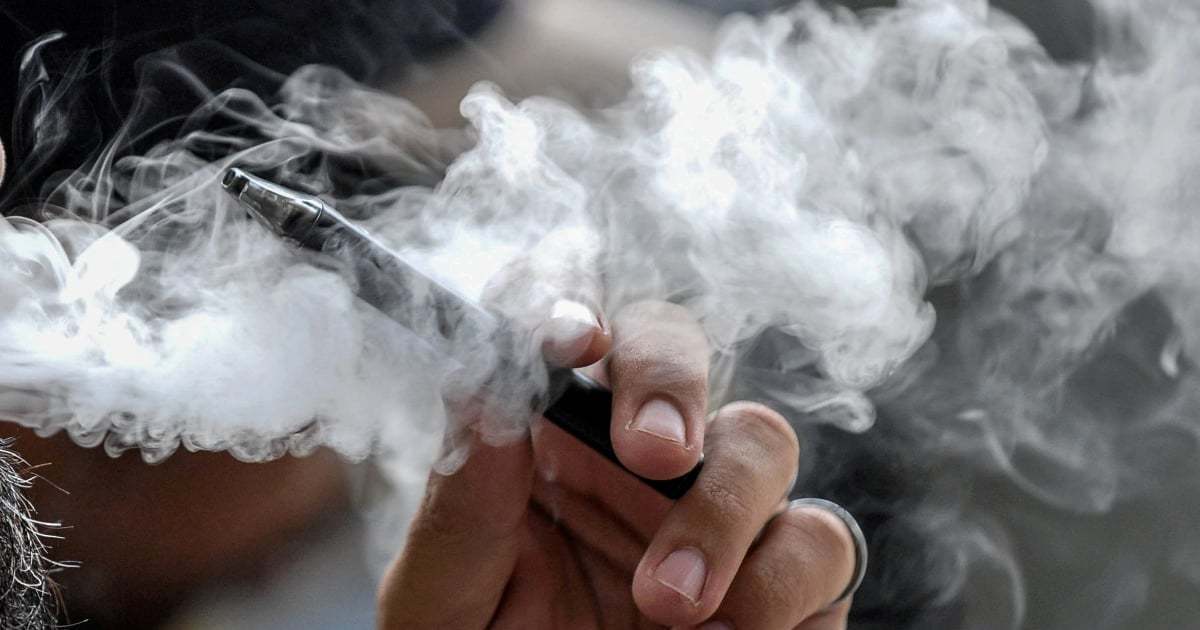
Malaysian health minister defends government's e-cigarette regulations over total ban, emphasizing new laws will evolve with emerging evidence.

The Malaysian government is defending its decision to regulate vape under the Control of Smoking Products for Public Health Act 2024 rather than imposing an outright ban, according to NST on November 14.


"If we had banned it (altogether), it would have been easier. But we missed that opportunity," Health Minister Datuk Seri Dr Dzulkefly Ahmad said after the launch of the 'Prevention and Control of Non-communicable Diseases' in Malaysia: The Case for Investment' report at Parliament's Banquet Hall here today.


"This piece of legislation is very comprehensive, covering everything from registration to the end of the supply chain."


The Control of Smoking Products for Public Health Act 2024, came into effect on October 1st, aiming to prohibit the sale and purchase of tobacco products, smoking materials, and alternatives to minors, including e-cigarettes and other electronic smoking devices.


In response to concerns about potential health risks of e-cigarettes, the minister assured that as new evidence emerges, laws will continue to evolve.


"If new evidence arises, we will revisit the issue. The law is dynamic, never static," Dr Dzulkefly said.


During an earlier session of the House of Commons, Zuckferry pointed out that the government had to spend over $30,000 on treating patients with lung injuries caused by the use of e-cigarettes or related products. If no control measures are taken, the estimated cost of treatment is projected to increase to $82.24 million annually by 2030.

 

Texas Extends Tobacco Tax Interpretation to a 6-Methylnicotine Product, Citing VELO Ruling
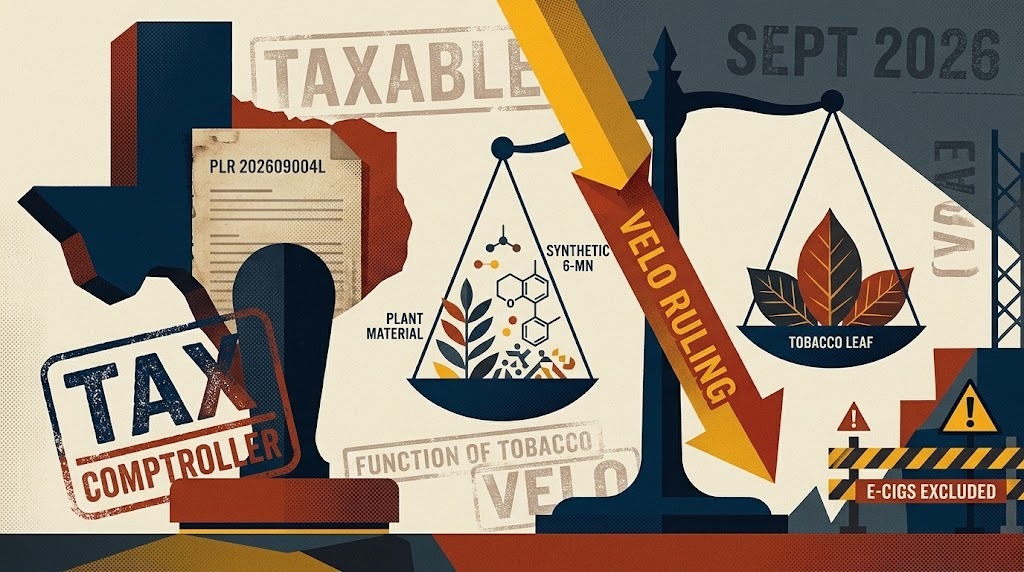
The Texas Comptroller of Public Accounts ruled in September 2026 that a combustible product made with non-tobacco plant material and 6-methylnicotine (6-MN), a synthetic nicotine analog, qualifies as a taxable tobacco product. The applicant said the product contained neither tobacco leaf nor measurable conventional nicotine. The determination applies reasoning from a May Texas Supreme Court decision involving VELO nicotine pouches, finding that the plant material and 6-MN together perform the functions of tobacco in a conventional smoking product. The ruling carries applicable tax, licensing and reporting obligations but is limited to the facts submitted by the taxpayer. It does not establish a blanket tax classification for all 6-MN products or extend the same conclusion to e-cigarettes.
Regulations
Nov.06
NATO Executive Director David Spross Sees U.S. Vape Regulation Improving, Calls for More PMTA Authorizations and Warns of 2027 State Tax Pressure
The National Association of Tobacco Outlets is calling for more FDA marketing authorizations, greater transparency in the PMTA process and continued enforcement against unauthorized e-cigarettes, even as its executive director, David Spross, points to recent regulatory developments as signs of progress. At the state level, excise taxes, flavor restrictions and vapor product directories remain major issues for tobacco retailers. By August 2026, 17 states had enacted laws establishing state-managed e-cigarette directories or similar systems.
Innovation
Sep.29 by 2Firsts Perspectives
UK Extends Age-18 Rules to Zero-Nicotine Vapes and Nicotine Pouches From Oct. 29, Bans Vending Machines and Promotional Giveaways
Key provisions of the UK's Tobacco and Vapes Act 2026 will take effect on Oct. 29, extending an age-18 sales restriction to all vaping and non-medicinal nicotine products. In England, Wales and Northern Ireland, the change brings zero-nicotine vapes within statutory age-of-sale rules and also covers products including nicotine pouches, strips and pearls. The law will also prohibit proxy purchasing for under-18s, consumer-facing vending machines, promotional giveaways and substantial discounts intended to promote vaping and nicotine products.
Regulations
Oct.10
As Regulators Focus on Nicotine Pouch Child Safety, Safeguard Pursues an External Packaging Route
As regulators pay closer attention to child safety in nicotine pouches, manufacturers face a practical challenge: how to strengthen child-resistant packaging without unnecessarily reworking products, production lines and regulatory submissions already in place. In a written interview with 2Firsts, Chemular detailed Safeguard’s external packaging approach, its customer-specific testing requirements and possible PMTA pathways. The model remains early-stage, but it offers a new way to think about an increasingly important regulatory and manufacturing issue.
Industry Insight
Sep.19
Product | BAT Revises Japan's VELO Convenience Store Lineup, Adding ¥380 Mango Pouches as Selected SKUs Exit
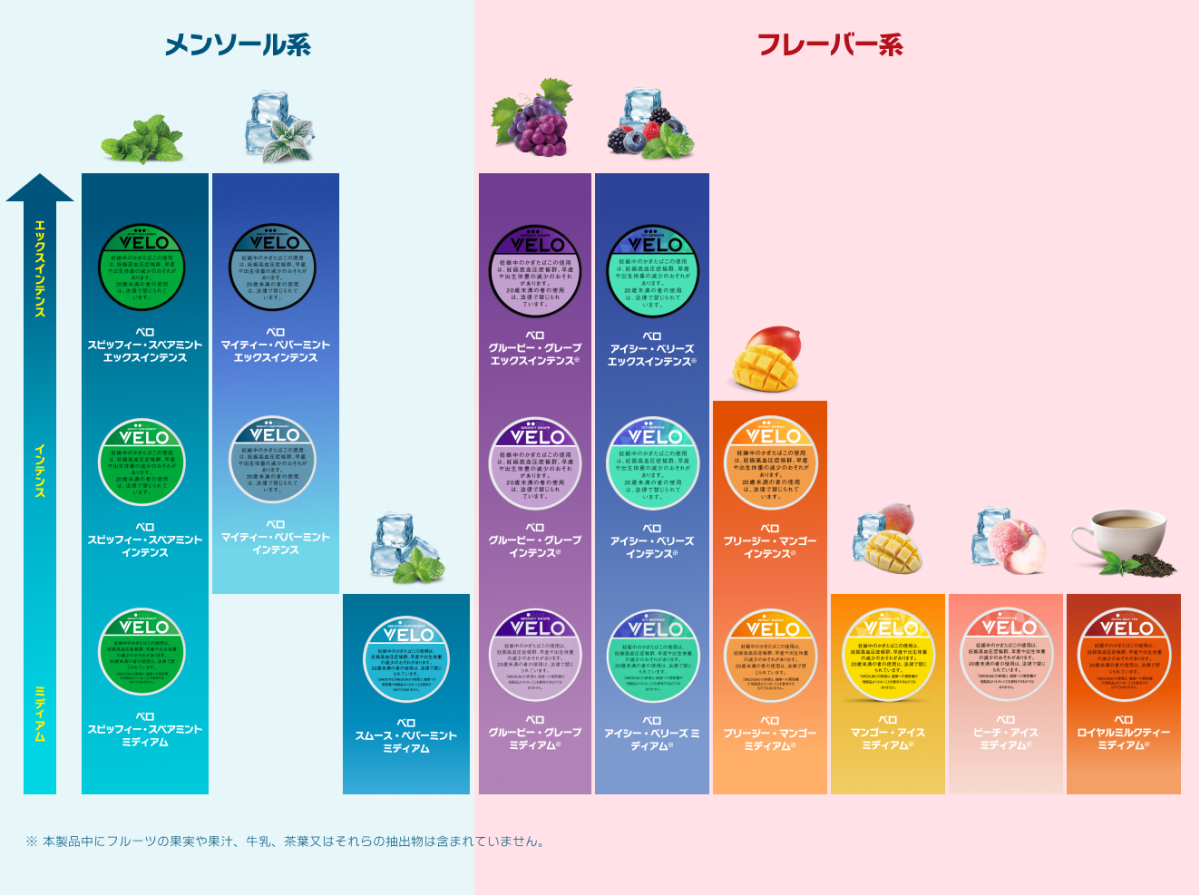
British American Tobacco's Japanese subsidiary, BAT Japan, launched VELO Mango Ice Medium on November 2, 2026, with distribution expanding to selected 7-Eleven, FamilyMart, NewDays and Seicomart stores from November 3. The new oral tobacco product contains 15 pouches per can and retails for ¥380, featuring a mango and cooling flavor profile at Medium intensity. At the same time, BAT Japan raised prices on multiple existing VELO products from ¥360 to ¥380 per can and withdrew selected SKUs from convenience store distribution without discontinuing them entirely. The changes affect product assortment, pricing and retail channel allocation.
product
Nov.04
Special Report | From Oversupply to Supply Gaps: Global Tobacco Leaf Markets Diverge Ahead of 2027
Global tobacco leaf markets diverged sharply in 2026, with India cutting authorised FCV production amid oversupply while Malawi faced a supply shortfall. U.S. demand improved in some leaf categories, but growers in Brazil, Colombia, Tanzania and Zimbabwe faced pressure from prices, buyer access, costs and weather. With nicotine consumption patterns also shifting, 2027 will test whether supply, demand and grower profitability can move back toward balance.
Oct.26