E-cigarette firm Max Technology faces bankruptcy amid legal disputes

Nov.04.2024
E-cigarette firm Max Technology faces bankruptcy amid legal disputes
Max (Shenzhen) Electronic Technology Co., Ltd. recently filed for bankruptcy liquidation in court. The company, which specializes in e-cigarette products and holds several well-known trademarks, is facing a total of 15 legal cases, including disputes over sales contracts and trademark issues.

Max (Shenzhen) Electronic Technology Co., Ltd. (hereinafter referred to as "Max") has recently filed for bankruptcy with the Shenzhen Intermediate People’s Court, according to an e-cigarette industry insider's tip-off received on November 4 by 2Firsts.


E-cigarette firm Max Technology faces bankruptcy amid legal disputes
Bankruptcy Application | Source: National Enterprise Bankruptcy Reorganization Case Information Website


2Firsts has learned that Max primarily engages in the research, development, and sales of e-cigarette-related products. According to Tianyancha, the company owns several trademarks, including "YUEKE," "PQZU," "MKPRO," "MAXECIG," "MCKESSE," and "BADKITTY."


E-cigarette firm Max Technology faces bankruptcy amid legal disputes
Trademark application | Image source: Tianyancha


After searching the national database for information on corporate bankruptcy reorganization cases, 2Firsts conducted an analysis of the issue of "filing for bankruptcy.


On September 13, 2024, SHENZHEN BAOAN DISTRICT PEOPLE COURT accepted the bankruptcy liquidation application filed by 34 employees, including a representative, Huang Moufeng, on behalf of Max. According to the court notice, the applicants requested bankruptcy liquidation on the grounds that Max's assets were clearly insufficient to cover all debts.


On October 18, 2024, SHENZHEN BAOAN DISTRICT PEOPLE COURT decided to transfer Max's case to bankruptcy liquidation.


On October 23, 2024, the employee representative group voluntarily applied to withdraw the bankruptcy liquidation request, and the court ruled to allow the withdrawal.


On October 30, 2024, according to an official document (2024) Yue 03 Breakthrough 1102 from the SHENZHEN INTERMEDIATE PEOPLE'S COURT, Max (Shenzhen) Electronic Technology Co., Ltd. filed for bankruptcy with the Shenzhen Intermediate People's Court.


Additionally, according to Tianyancha, Max is involved in multiple legal disputes, including sales contract issues, unauthorized use of another company’s name, and disputes over personal names. The company is involved in 15 judicial cases and is listed as a defendant in enforcement proceedings. 


It has 46 risk information entries, 3 lawsuits, 3 records of dishonest enforcement, and 4 high-consumption restriction orders, with a total amount involved in enforcement reaching 7.96 million yuan.


E-cigarette firm Max Technology faces bankruptcy amid legal disputes
Basic information | Image source: Tianyancha


 It is worth noting that, according to Tianyancha, 13.3% of Max's cases are related to Shenzhen RLX Technology Inc.


E-cigarette firm Max Technology faces bankruptcy amid legal disputes
Dispute classification | Image source: Tianyancha


We welcome news tips, article submissions, interview requests, or comments on this piece.

Please contact us at info@2firsts.com, or reach out to Alan Zhao, CEO of 2Firsts, on LinkedIn


Notice

1.  This article is intended solely for professional research purposes related to industry, technology, and policy. Any references to brands or products are made purely for objective description and do not constitute any form of endorsement, recommendation, or promotion by 2Firsts.

2.  The use of nicotine-containing products — including, but not limited to, cigarettes, e-cigarettes, nicotine pouchand heated tobacco products — carries significant health risks. Users are responsible for complying with all applicable laws and regulations in their respective jurisdictions.

3.  This article is not intended to serve as the basis for any investment decisions or financial advice. 2Firsts assumes no direct or indirect liability for any inaccuracies or errors in the content.

4.  Access to this article is strictly prohibited for individuals below the legal age in their jurisdiction.


Copyright


This article is either an original work created by 2Firsts or a reproduction from third-party sources with proper attribution. All copyrights and usage rights belong to 2Firsts or the original content provider. Unauthorized reproduction, distribution, or any other form of unauthorized use by any individual or organization is strictly prohibited. Violators will be held legally accountable.

For copyright-related inquiries, please contact: info@2firsts.com


AI Assistance Disclaimer


This article may have been enhanced using AI tools to improve translation and editorial efficiency. However, due to technical limitations, inaccuracies may occur. Readers are encouraged to refer to the cited sources for the most accurate information.

We welcome any corrections or feedback. Please contact us at: info@2firsts.com

Product | BAT Expands VELO Peach Ice Medium to FamilyMart Stores Nationwide in Japan
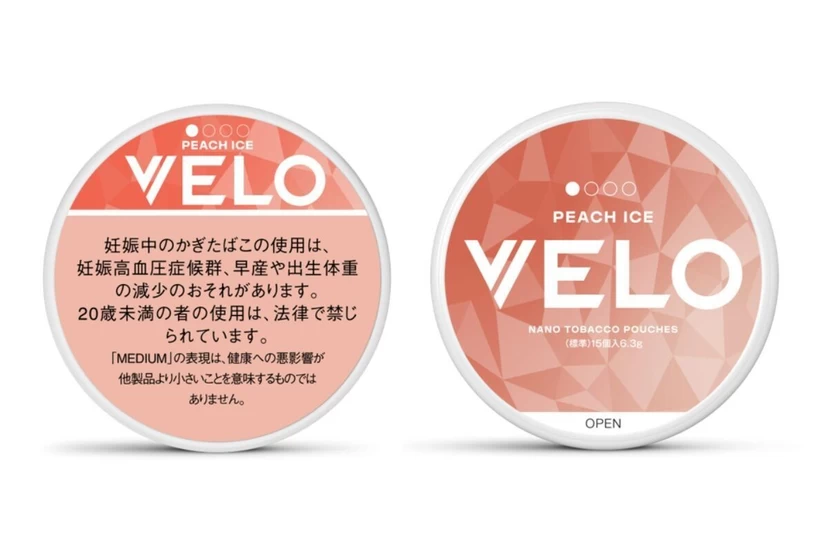
British American Tobacco Japan (BAT Japan) expanded VELO Peach Ice Medium to FamilyMart stores nationwide in Japan from September 7, 2026. The oral tobacco product first launched on July 6 and had previously been sold through VELO's official online store, glo Store Ginza and tobacco retailers. It combines peach flavor with menthol cooling at a Medium strength level and is priced at JPY 360. Japanese tobacco retailers list 15 pouches per pack. The move adds the new SKU to an existing nationwide FamilyMart distribution network for VELO rather than marking the brand's first entry into the convenience-store chain.
Sep.15
2Firsts On-Site | PMI Brings IQOS, ZYN, VEEV and Marlboro Together at Its “Boulevard” at InterTabac 2026
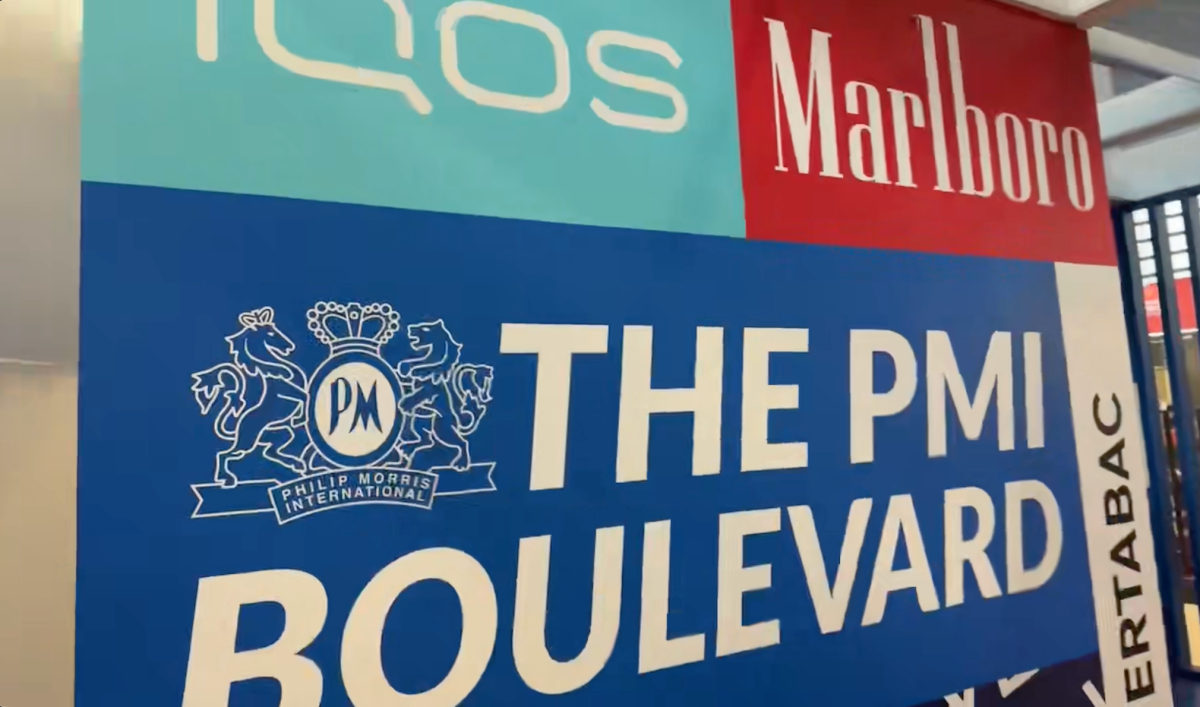
At InterTabac 2026 in Dortmund, PMI is presenting multiple brands and products along “The PMI Boulevard,” including IQOS, ZYN, VEEV and Marlboro. On-site images captured by 2Firsts show dedicated spaces including the IQOS Boutique, ZYN Café, PMI Gallery and Marlboro Office
Market
Sep.16 by 2Firsts Perspectives
Philip Morris Malaysia Again Meets Religious Authority Over Cigarette Alternatives as Perlis Mufti Responds on Halal Criteria
Philip Morris Malaysia Managing Director Naeem Shahab Khan met Perlis Mufti Mohd Asri Zainul Abidin on September 17 and presented the company's shift from conventional cigarettes toward alternative products. The mufti said a product could be considered halal if it is clean, its side effects are not harmful or can be controlled, and it does not involve excessive waste. His remarks did not mention IQOS or any other specific PMI product and did not amount to a new product-specific religious ruling. It was at least the second publicly reported engagement between Philip Morris Malaysia and a Malaysian religious institution over cigarette alternatives within six months.
Regulations
Sep.18 by 2Firsts Perspectives
Italy Proposes Earlier Vape and HTP Tax Hikes, New Rules for E-Liquid Pricing, Exclusive Deals and Distribution
Italy's proposed 2027–2029 budget would bring forward scheduled tax increases for e-cigarette liquids and heated tobacco products from January 1, 2028, to July 1, 2027. The consumption tax coefficient for nicotine-containing e-liquids would rise from 20% to 22%, that for nicotine-free liquids and applicable flavorings from 15% to 17%, and the heated-tobacco coefficient from 41% to 42%. The bill would also introduce official retail price schedules for e-liquids, restrict exclusive agreements between retailers and suppliers, and limit single-brand-dominated displays, sales incentives and bundled offers. Importing, authorized warehousing and retailer sourcing arrangements would also change. The proposals remain subject to parliamentary approval and subsequent implementing regulations.
Regulations
Nov.04
DATA|UK Retail Research Group IGD Says Convenience Tobacco and Vape Sales Fell 10.6%, With 15.4% Market Share Versus Alcohol's 15.1%; Top Rank at Risk in 2027
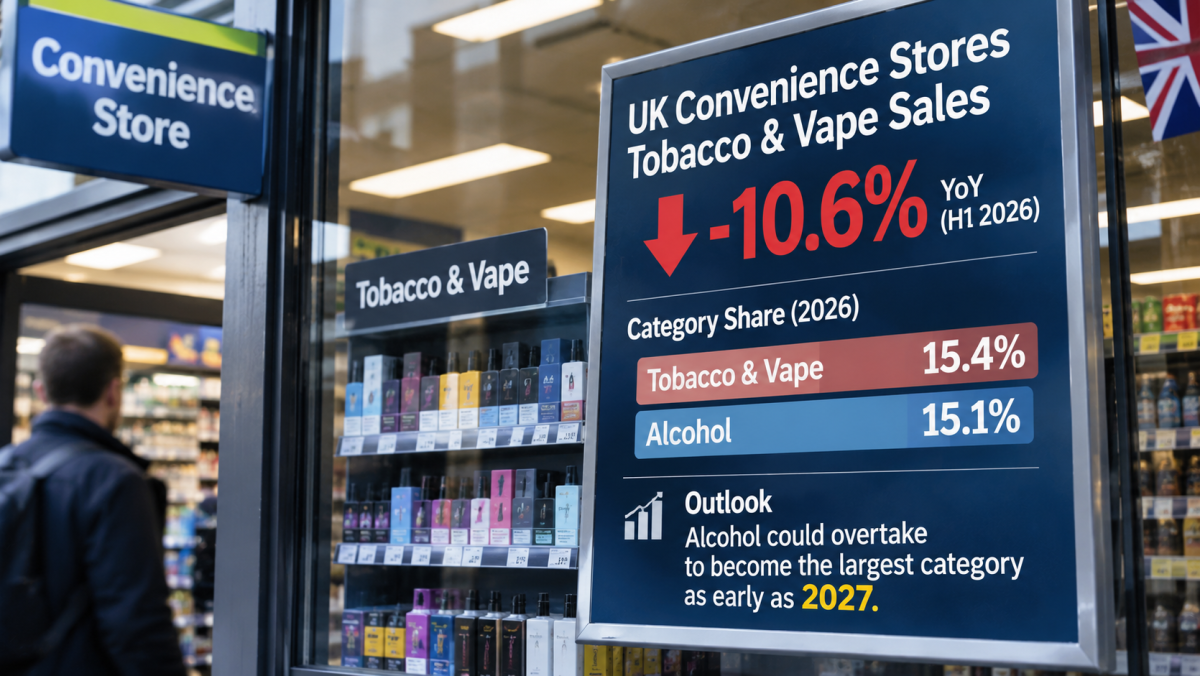
Combined tobacco and vaping sales in UK convenience stores fell 10.6% year over year in the first half of 2026, making the category a major drag on channel performance, according to retail research organization IGD. Total convenience sales declined 1.2%, while sales excluding tobacco and vaping increased 0.7%. IGD's 2026 category-share figures show tobacco and vaping accounting for 15.4% of convenience sales, compared with 15.1% for alcohol. The organization forecasts alcohol could overtake tobacco and vaping as the largest category by sales value as early as 2027 if current trends continue. IGD expects the convenience market to increase from £48.6 billion in 2026 to £54.9 billion in 2031, a 2.5% compound annual growth rate, or 3.4% excluding tobacco and vaping.
DATA
Nov.11
Latest UK ONS Data: Vaping Rate Edges Down to 9.9% in 2025, a Year After Overtaking Cigarette Smoking
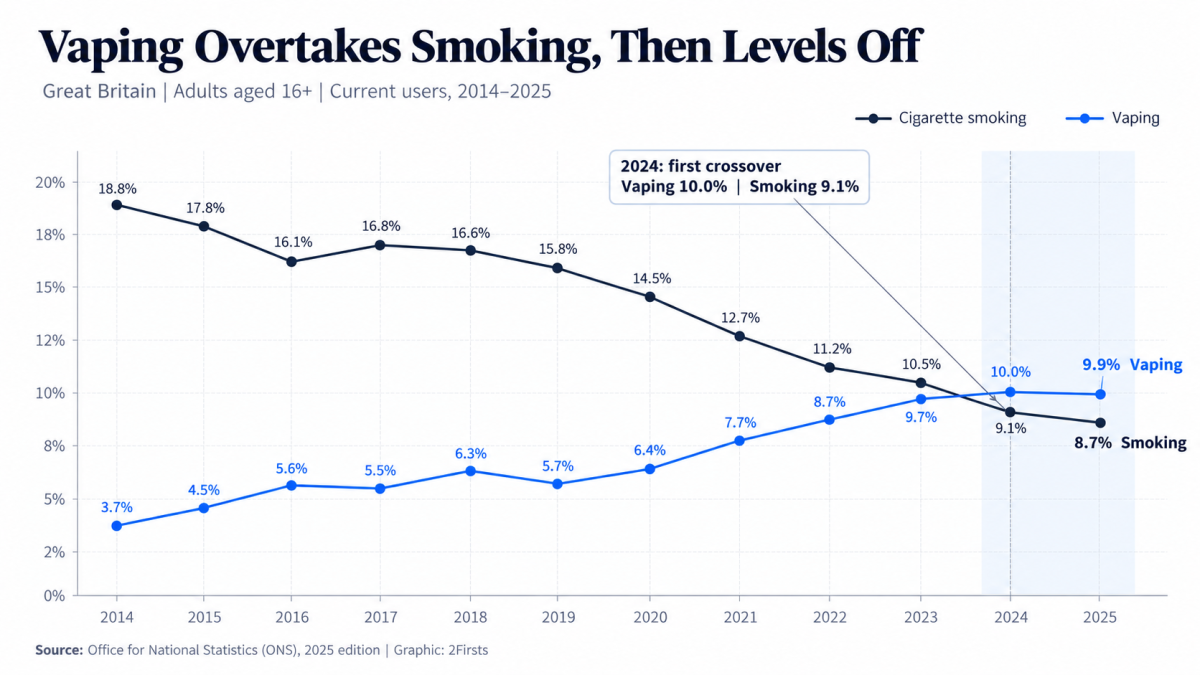
Vaping prevalence in Great Britain edged down to 9.9% in 2025 from 10.0% in 2024, with the number of adult users holding at approximately 5.4 million for a second consecutive year, according to the Office for National Statistics (ONS). E-cigarette use had risen from 6.4% in 2020 to 10.0% in 2024, when it exceeded cigarette smoking prevalence for the first time. Cigarette smoking continued to decline to 8.7% in 2025, widening the gap to 1.2 percentage points. Daily vaping declined slightly, while usage among adults aged 25–34 increased despite falling rates in other age groups.
DATA
Oct.14