Ohio Enforces Flavored Tobacco Ban, Illegal Smoke Shop Faces Closure

Nov.14.2024
Ohio Enforces Flavored Tobacco Ban, Illegal Smoke Shop Faces Closure
A tobacco shop in Ohio faces prosecution and closure for repeatedly violating the flavored tobacco ban and illegally selling cigarettes to minors, with plans to revoke its tobacco sales license.

According to a report from Dispatch on November 14th, the Columbus City Prosecutor's Office has filed a lawsuit against a tobacco shop in West Columbus, accusing the shop of illegally selling tobacco products to minors and violating the city's flavored tobacco ban.


The lawsuit was filed last week with the Environmental Department of the Franklin County Municipal Court, and a hearing is scheduled to take place on November 18th.


Prosecutor Zach Klein stated that the smoke shop named "Smoke House" has been consistently selling tobacco products to minors in violation of the law in recent years. The lawsuit aims to classify the store as a public nuisance, which could result in its closure.


According to compliance checks by the public health department, between 2017 and 2024, the store has sold tobacco to minors at least six times when customers did not show their IDs. At least two times, the store continued selling such products in violation of Columbus' flavored tobacco ban.


Court records show that the store has changed ownership twice in the past seven years, with each change occurring shortly after compliance checks by the public health department. During these inspections, violations for selling to minors were consistently found.


In 2023, the Columbus Public Health Department fined the store $1000 for multiple violations, including selling tobacco products to agents who clearly stated they were underage. In January of the same year, Columbus's flavored tobacco ban went into effect, but the store continued to sell flavored e-cigarette products to agents from the public health department at least once after the ban was implemented.


According to court records, during a compliance check, a store clerk was found to have asked an undercover agent if they wanted to smell the marijuana. As a result, the Department of Public Health fined the store owner $5,000. The court records also indicate that the store is suspected of unlawfully selling marijuana products.


In August of this year, a city required a shop owner to pay a fine of $10,000 after an employee sold flavored e-cigarettes to a public health agent without verifying their identity.


In October, the city government sent a notice to store owners planning to revoke their tobacco sales permits. A week later, another group applied to obtain a tobacco permit at the same location under a similar name.


Despite the challenge from the Ohio state legislature, attempting to pass a law prohibiting the city from enforcing its flavored tobacco ban, earlier this year, a judge in Franklin County sided with the city government, allowing the ban to remain in effect. While the state government has appealed the ruling, there have been no recent developments.


We welcome news tips, article submissions, interview requests, or comments on this piece.

Please contact us at info@2firsts.com, or reach out to Alan Zhao, CEO of 2Firsts, on LinkedIn


Notice

1.  This article is intended solely for professional research purposes related to industry, technology, and policy. Any references to brands or products are made purely for objective description and do not constitute any form of endorsement, recommendation, or promotion by 2Firsts.

2.  The use of nicotine-containing products — including, but not limited to, cigarettes, e-cigarettes, nicotine pouchand heated tobacco products — carries significant health risks. Users are responsible for complying with all applicable laws and regulations in their respective jurisdictions.

3.  This article is not intended to serve as the basis for any investment decisions or financial advice. 2Firsts assumes no direct or indirect liability for any inaccuracies or errors in the content.

4.  Access to this article is strictly prohibited for individuals below the legal age in their jurisdiction.


Copyright


This article is either an original work created by 2Firsts or a reproduction from third-party sources with proper attribution. All copyrights and usage rights belong to 2Firsts or the original content provider. Unauthorized reproduction, distribution, or any other form of unauthorized use by any individual or organization is strictly prohibited. Violators will be held legally accountable.

For copyright-related inquiries, please contact: info@2firsts.com


AI Assistance Disclaimer


This article may have been enhanced using AI tools to improve translation and editorial efficiency. However, due to technical limitations, inaccuracies may occur. Readers are encouraged to refer to the cited sources for the most accurate information.

We welcome any corrections or feedback. Please contact us at: info@2firsts.com

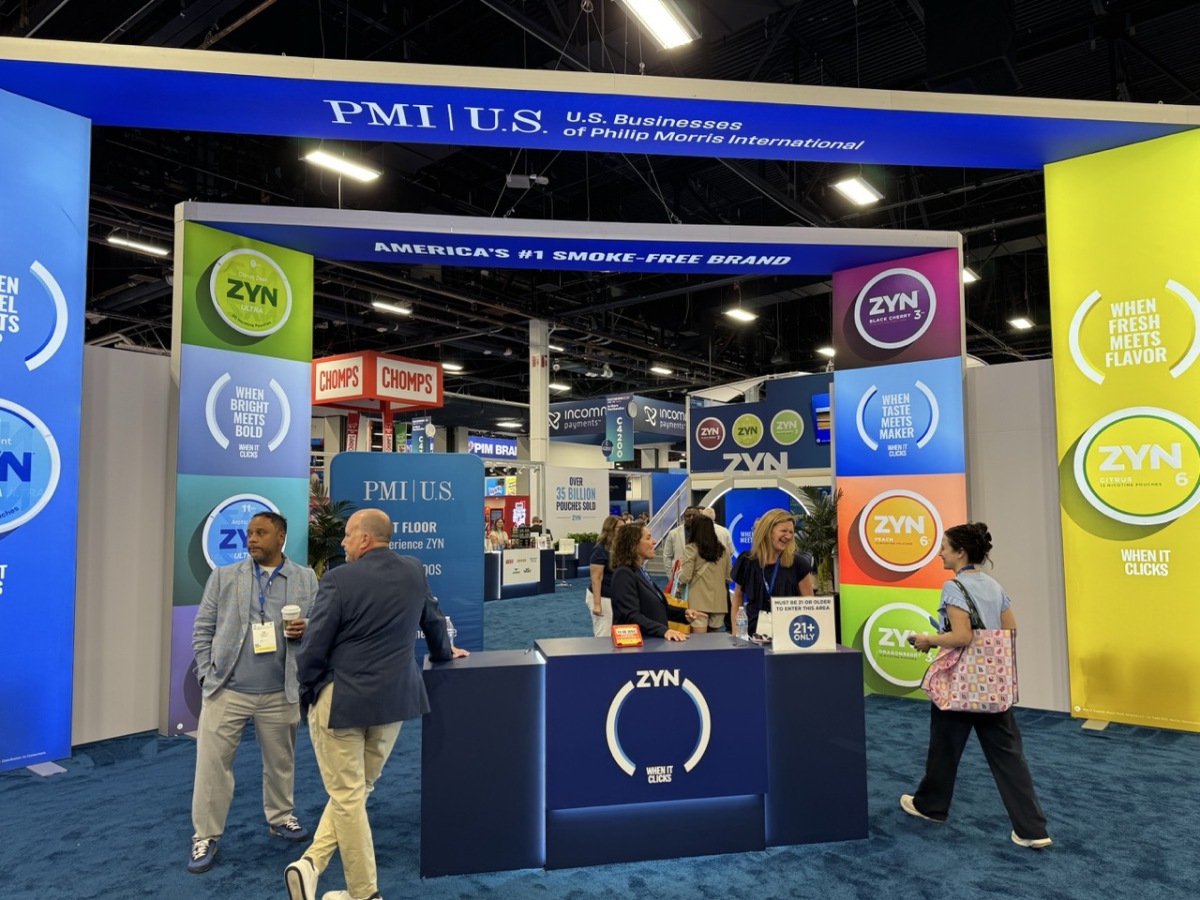
PMI Showcases ZYN, IQOS and U.S. Investments at NACS Show 2026
At the 2026 NACS Show in Las Vegas, Philip Morris International (PMI) showcased its ZYN nicotine pouches, IQOS heated tobacco products and U.S. investments. A 2Firsts review of FDA records found that several ZYN products displayed at the booth were not on the agency's marketing authorization list, including certain nicotine strengths and flavors. A PMI booth representative also confirmed that IQOS is currently sold in three U.S. states, while the newer IQOS ILUMA system remains under FDA review.
EXPO
Oct.10
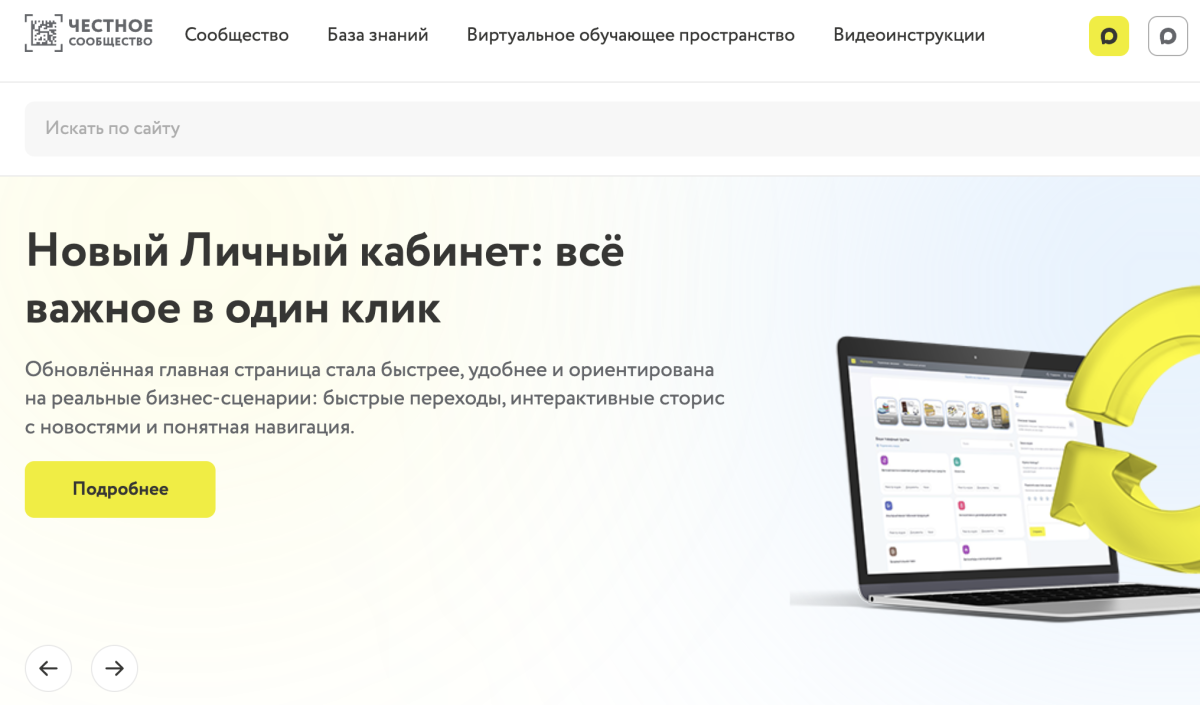
Russia’s Vape Device Labeling Regime Enters Force: Registration Starts in September, Mandatory Coding in December
Russia's digital labeling regime for reusable e-cigarettes and similar personal vaping devices entered its first mandatory phase in September 2026. From September 1, manufacturers, importers and other market participants must register with the national Chestny ZNAK tracking system. From December 1, newly manufactured and imported covered devices will be required to carry digital identification codes and be reported as entering circulation. Russia has also issued new operational guidance for imports, marking the transition from a voluntary pilot to phased mandatory implementation.
Sep.15
North Carolina Tightens Vape Product Directory Enforcement, Expands State and Local Powers as Violators Face Fines, Product Seizures and License Suspension or Revocation
North Carolina has expanded enforcement of its vapor product directory rules, authorizing more state and local law enforcement participation and establishing a task force led by the State Bureau of Investigation. The legislation requires at least one unannounced compliance inspection annually for retailers, distributors and wholesalers handling covered products. Penalties effective October 1, 2026, include civil fines of $500–$750 for a first violation and $1,000–$1,500 for repeated violations within 12 months, along with potential license suspension or revocation. Manufacturers may face penalties of $10,000 per unlisted product. The measures strengthen the product directory system established in 2024.
Regulations
Oct.28
Smoke-Free Business Hits 42% of Q2 Net Revenue as PMI’s First TNFD Report Covers Single-Use Electronics, Critical Raw Materials and IQOS Repairs
Philip Morris International has published its first report aligned with the Taskforce on Nature-related Financial Disclosures, bringing its electronics supply chain and the use and end-of-life stages of smoke-free devices and consumables into its nature-related assessment. PMI said its smoke-free business accounted for about 42% of total net revenues in the second quarter of 2026. The report says non-circular electronic products, particularly single-use items, can increase consumption of limited natural resources and also details an IQOS repair pilot. A 2040 circularity scenario tests assumptions including a 50% reduction in product waste-related costs, 10% raw-material savings and a 25% substitution rate for refurbished products versus new products.
Sep.23
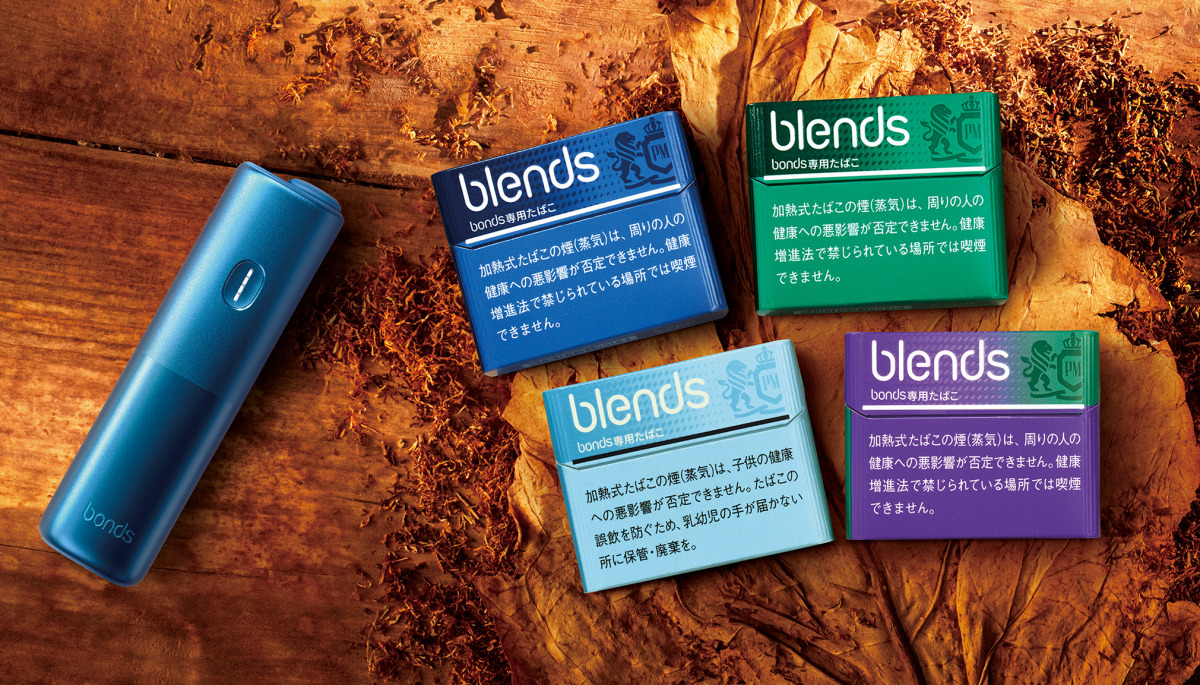
Beyond IQOS ILUMA, PMI Expands Lower-Priced BONDS Heated Tobacco Platform: Seven Markets Added in Q3, With Rollouts in Japan, Europe and North Africa
Philip Morris International (PMI) is expanding the international footprint of BONDS by IQOS, its lower-priced heated tobacco platform. The company's third-quarter 2026 SEC filing shows that BONDS devices and BLENDS tobacco sticks were available in 15 markets at the end of September, up from eight at the end of June. In November, PMI announced plans to extend sales from three to 17 Japanese prefectures and introduced BONDS in Spain and Morocco. The platform uses ROUNDHEAT external heating technology and proprietary tobacco sticks, separate from the IQOS ILUMA system. In Japan, BONDS retails for ¥2,980, approximately 25% below ILUMA i ONE, while BLENDS costs ¥570 per pack. PMI management says BONDS targets cigarette smokers who have not adopted heated tobacco. Separate sales and revenue figures remain undisclosed.
company
Nov.06
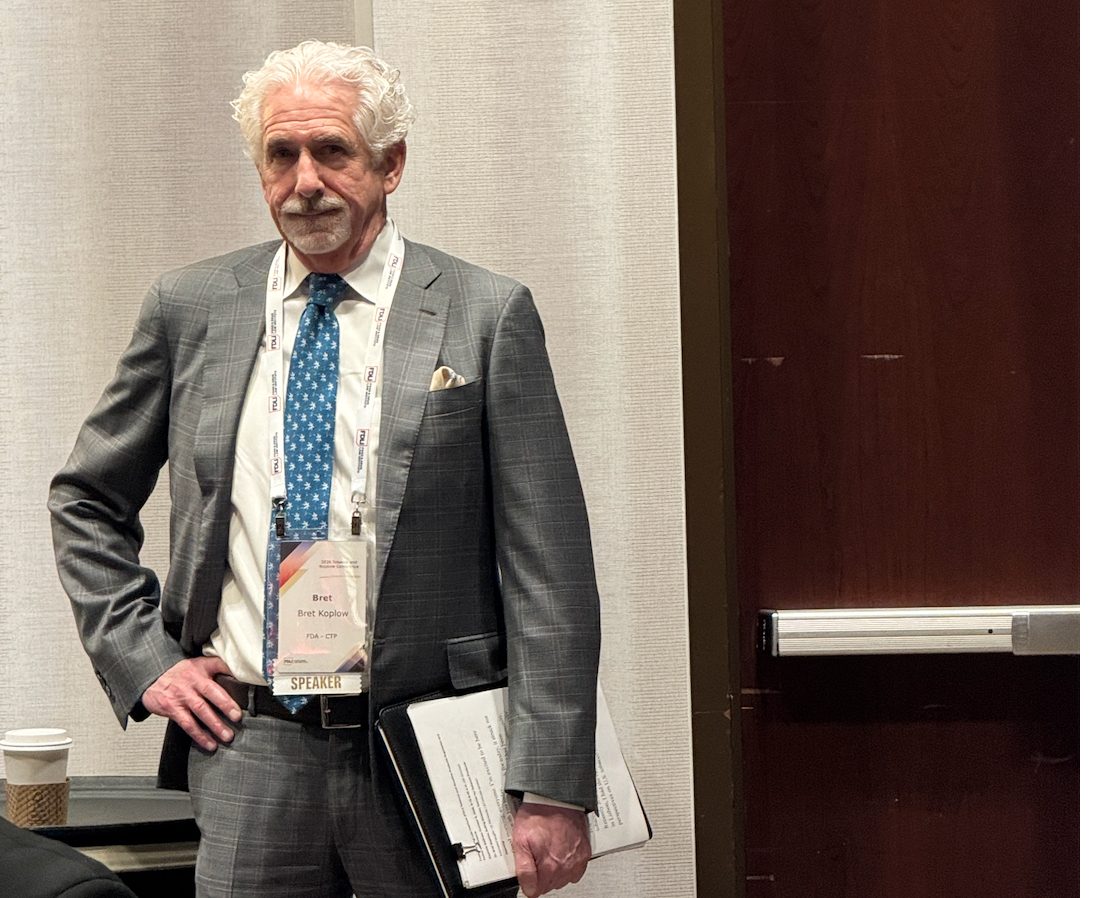
Special Report | From New York to Washington: How FDA’s Tobacco Center Is Reworking Product Review
FDA’s Center for Tobacco Products is reshaping how it approaches tobacco product review. Based on 2Firsts’ on-site reporting in New York and Washington, this report traces CTP’s emerging direction: stronger links between PMTA and tobacco harm reduction, more category-specific review, greater emphasis on decision-relevant science, more predictable timelines and expanded use of sPMTA for product modifications. CTP also acknowledged major constraints, including just nine PMTA review teams, persistent backlogs and limits on hiring capacity.
Regulations
Oct.08