Pakistan Bans Use of E-cigarettes and Vaping Products

Sep.11.2024
Pakistan Bans Use of E-cigarettes and Vaping Products
Shoaib Abbas, Deputy Commissioner of Haripur City, announced a 90-day ban on e-cigarettes and related products starting September 6, 2024, per Propakistani.

According to a report from Propakistani on September 10th, Shoaib Abbas, the Deputy Commissioner of Haripur, Pakistan, announced that the use of e-cigarettes, vapor products, and related nicotine products will be prohibited in the Haripur region starting from September 6, 2024, for a period of 90 days, under Section 144 of the Penal Code.


The regulations prohibit the use of e-cigarettes, vaporizers, and related nicotine products in public transportation and public places. Additionally, promoting these products through media platforms or displaying related advertisements on walls or vehicles is also prohibited. The sale of such products is strictly limited to individuals under 21 years of age.


At the same time, the ban also prohibits the storage or sale of e-cigarettes, vapor products, and related nicotine products within a 100-meter radius of schools, colleges, hospitals, and public parks.


We welcome news tips, article submissions, interview requests, or comments on this piece.

Please contact us at info@2firsts.com, or reach out to Alan Zhao, CEO of 2Firsts, on LinkedIn


Notice

1.  This article is intended solely for professional research purposes related to industry, technology, and policy. Any references to brands or products are made purely for objective description and do not constitute any form of endorsement, recommendation, or promotion by 2Firsts.

2.  The use of nicotine-containing products — including, but not limited to, cigarettes, e-cigarettes, nicotine pouchand heated tobacco products — carries significant health risks. Users are responsible for complying with all applicable laws and regulations in their respective jurisdictions.

3.  This article is not intended to serve as the basis for any investment decisions or financial advice. 2Firsts assumes no direct or indirect liability for any inaccuracies or errors in the content.

4.  Access to this article is strictly prohibited for individuals below the legal age in their jurisdiction.


Copyright


This article is either an original work created by 2Firsts or a reproduction from third-party sources with proper attribution. All copyrights and usage rights belong to 2Firsts or the original content provider. Unauthorized reproduction, distribution, or any other form of unauthorized use by any individual or organization is strictly prohibited. Violators will be held legally accountable.

For copyright-related inquiries, please contact: info@2firsts.com


AI Assistance Disclaimer


This article may have been enhanced using AI tools to improve translation and editorial efficiency. However, due to technical limitations, inaccuracies may occur. Readers are encouraged to refer to the cited sources for the most accurate information.

We welcome any corrections or feedback. Please contact us at: info@2firsts.com

Ukraine Raises Excise Stamp Fees for Tobacco, Heated Tobacco and Vape Liquids by 30.5% as Parliament Backs E-Excise Delay to 2027
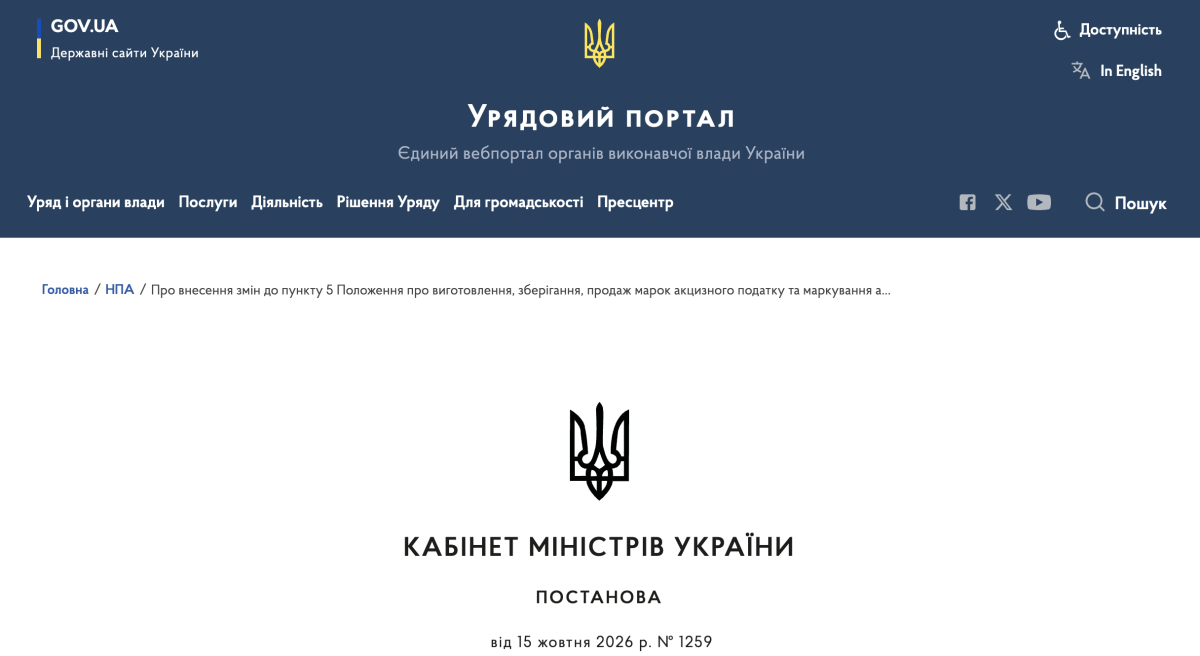
Ukraine's Cabinet of Ministers adopted Resolution No. 1259 on October 15, 2026, increasing excise stamp production fees for tobacco products and e-cigarette liquids by approximately 30.5%, from UAH 0.1643 to UAH 0.2144 per stamp. Fees for alcoholic beverages rose by about 30.2%. Separately, Ukraine's parliament passed Bill No. 15532 on October 13, proposing to postpone the full implementation of electronic excise stamps and traceability for alcohol, tobacco and e-cigarette liquids from November 1, 2026, to July 1, 2027. Parliament cited additional testing, configuration and integration requirements. The bill was sent to the president for signature on October 19.
Regulations
Oct.21
German Bundestag Passes Tobacco Tax Hikes: Vape Liquid Duty to Reach €0.44/ml, Heated Tobacco Taxes to Rise and Cigarettes Seen Near €12 a Pack
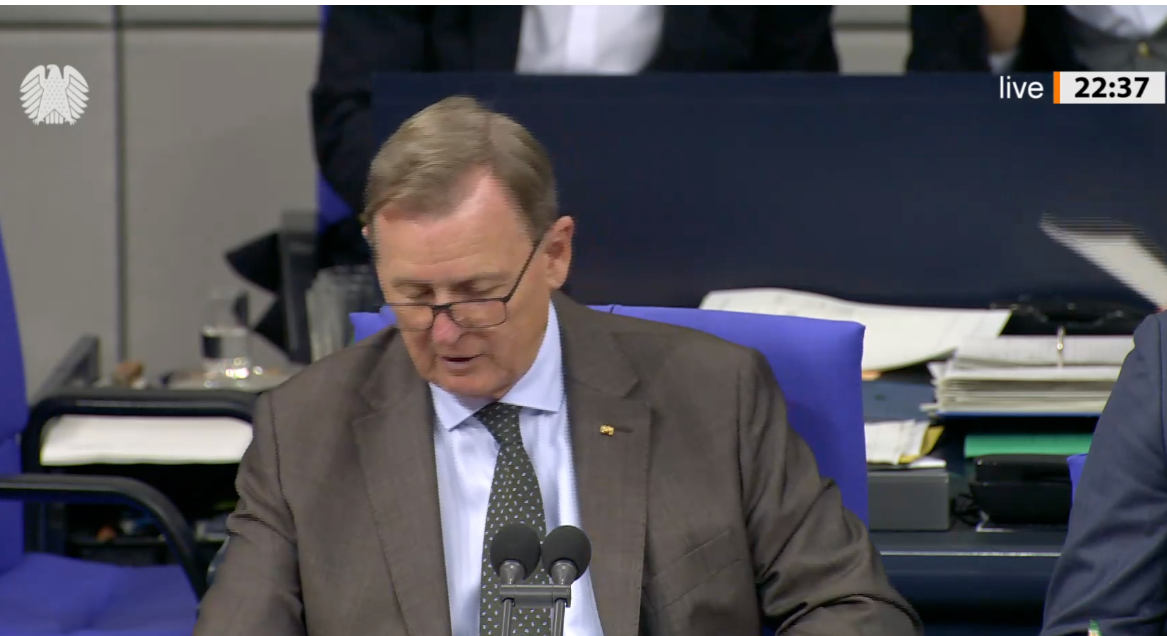
Germany's Bundestag passed amendments to the Tobacco Tax Act on October 15, 2026, setting out annual excise tax increases from 2027 through 2030 for e-cigarette liquids, heated tobacco, cigarettes and other tobacco products. Under the Finance Committee's amended bill, duty on qualifying e-liquids will rise from €0.32/ml in 2026 to €0.44/ml in 2030, an increase of 37.5%. Heated tobacco will retain its tax calculation based on 80% of the corresponding cigarette excise duty. The average price of a 20-cigarette pack is projected to approach €12 by 2030, with some brands potentially reaching €14. The legislation is projected to generate approximately €11.8 billion in additional tax revenue over four years and remains subject to further legislative procedures.
Regulations
Oct.19
FDA Authorizes 24 VELO Nicotine Pouches, Increasing U.S. Authorized Total by 56%
The U.S. FDA authorized 24 VELO nicotine pouch products from a British American Tobacco subsidiary, raising the total number of authorized products from 43 to 67, a 55.8% increase. The newly authorized 4 mg products include lime and passion fruit flavors and feature certified child-resistant packaging. VELO's first FDA marketing authorization adds BAT to a list previously limited to PMI and Altria products, while bringing the agency's nicotine pouch review pilot total to 47 authorized products.
Oct.30
Ispire Q4 Revenue Rebounds 33% but Full-Year Sales Still Fall 25% as FY2027 Focus Shifts to Malaysia Manufacturing, ODM, Nicotine Pouches and Age Verification
Ispire Technology reported FY2026 revenue of about $96 million, down 24.7% year over year, as U.S. cannabis-vapor hardware and European e-cigarette sales declined by $17.4 million and $12.7 million, respectively. Fourth-quarter revenue rose 32.5% to $26.7 million, while quarterly gross margin fell to 6.3%. For FY2027, the company is prioritizing Malaysia manufacturing and vapor ODM while continuing to develop nicotine pouches, IKE Tech age-verification technology and G-Mesh licensing. Ispire has not separately disclosed the revenue or profit contribution of those newer businesses.
Regulations
Sep.17 by 2Firsts Perspectives
Product | PMI Launches ZYN Melts in UK, Extending ZYN Beyond Nicotine Pouches Into Dissolvable Tablets
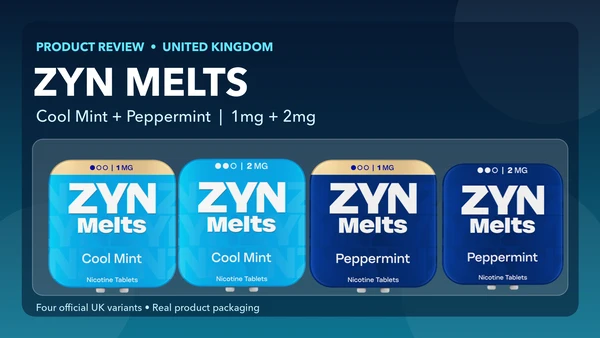
Philip Morris International (PMI) has launched ZYN Melts in the UK, introducing a fully dissolvable oral nicotine tablet format alongside the brand's existing nicotine pouches. The range includes Cool Mint and Peppermint, each offered at 1mg and 2mg of nicotine per tablet, creating four SKUs. Each can contains 20 tablets and is priced at £6.50 in the UK. Unlike ZYN nicotine pouches, Melts are placed between the upper lip and gum and dissolve completely during use.
News
Sep.29 by 2Firsts Perspectives
JTI Invests ₱2.1 Billion to Upgrade Batangas Manufacturing Hub, Adds First Southeast Asia DIET Facility
JTI Asia Manufacturing Corp. has invested ₱2.1 billion, or about $37 million, in its manufacturing site in Malvar, Batangas, Philippines, to expand tobacco-processing capabilities. About ₱1.9 billion is allocated to JTI's first Dry Ice Expanded Tobacco, or DIET, facility in Southeast Asia, while more than ₱177 million has been spent on expanding its Controlled Atmosphere treatment facility. The Batangas plant supplies the Philippine market and exports to 22 overseas markets, making it one of JTI's key manufacturing hubs in Asia.
Sep.24