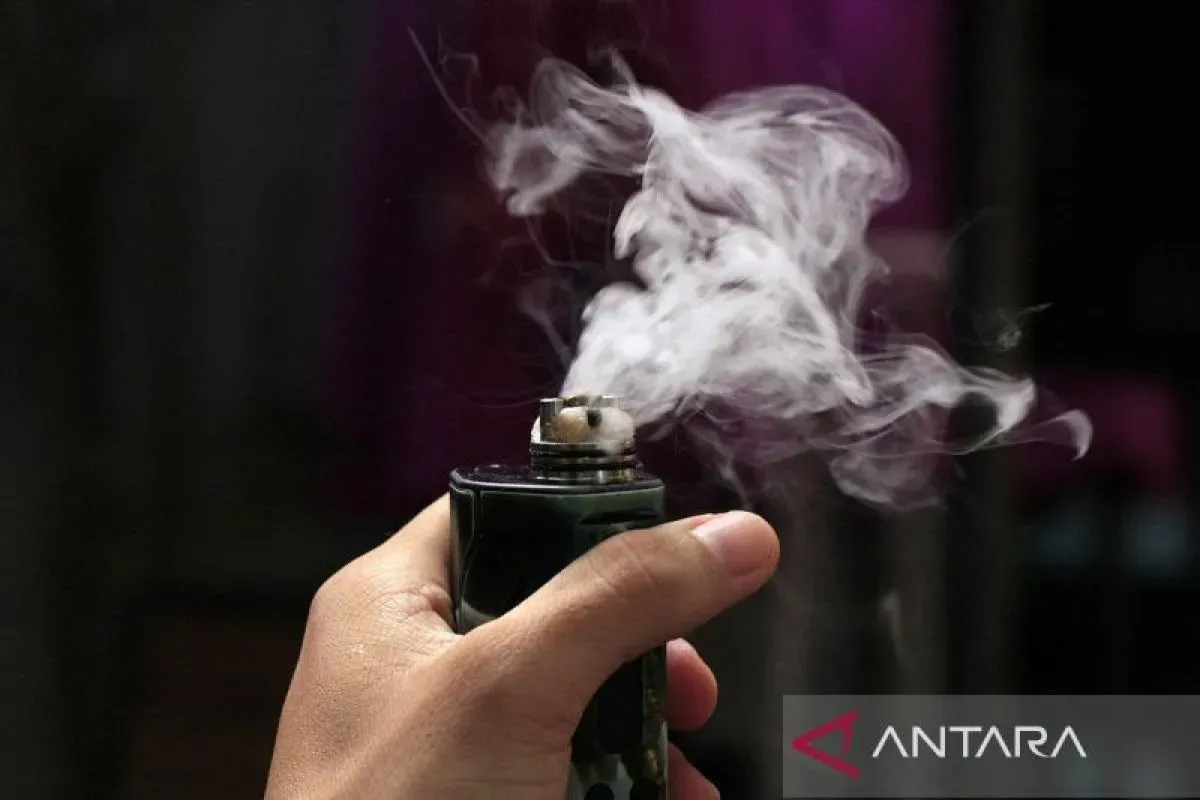
According to Argentine media outlet Eleconomista, on August 14th, the Argentine e-cigarette association has raised concerns about the government's regulation policies on e-cigarettes. While acknowledging that e-cigarettes are not completely harmless, the association argues that for those who are unable or unwilling to quit smoking, e-cigarettes can reduce the risks associated with traditional tobacco by 95%. As a result, they are calling for independent regulation that does not treat e-cigarettes on par with traditional tobacco.
Approximately one million Argentines are currently using e-cigarettes.
E-cigarettes and heated tobacco products are gaining popularity worldwide, not only among those seeking non-combustible and lower nicotine options, but also among people who enjoy inhaling nicotine-free flavored vapor.
In Argentina, the use of these products has not been legally sanctioned, and it is estimated that there are currently around one million people nationwide using e-cigarettes.
However, since 2011, the sales, importation, distribution, promotion, and advertising of e-cigarettes have been prohibited according to the regulations set by the National Administration of Food, Drugs, and Medical Technology (ANMAT). Additionally, the Ministry of Health has banned the use of heated tobacco products starting from March 2023.
Compared to traditional cigarette smoking, the nicotine and approximately 7000 toxic substances in cigarettes are highly addictive and can potentially cause respiratory diseases, cardiovascular ailments, and various types of cancer, including lung, throat, and laryngeal cancers.
According to statistics released by the Ministry of Health in Argentina, 22.2% of adults over the age of 18 are smokers. Approximately 45,000 people die each year due to smoking, accounting for 14% of the total number of deaths.
Cigarette smoking continues to raise concerns every year due to its detrimental impact on health. Recent statistics reveal notable consequences, including 19,000 cancer diagnoses, 33,000 cases of pneumonia, 11,000 strokes, 61,000 hospitalizations caused by cardiovascular diseases, and over 100,000 new cases of chronic obstructive pulmonary disease (COPD).
Call for independent regulation.
An e-cigarette, formally known as a Nicotine Electronic Aerosolization System (SEAN) or a Non-Nicotine Electronic Aerosolization System (SESN), is a battery-operated device that heats a solution composed of propylene glycol, glycerin, and potentially flavorings to 250 degrees Celsius, producing an aerosol for consumer inhalation.
Furthermore, the heating of specially crafted tobacco leaves and pods containing nicotine in heated tobacco products (HTPs), without combustion, has been deemed toxic and carcinogenic by the World Health Organization (WHO). Therefore, the WHO states that HTPs should be regulated as "other products within the tobacco category" due to a lack of sufficient data indicating that they are less harmful than traditional cigarettes.
The Ministry of Health in Argentina has implemented strict regulations on e-cigarettes and PTC due to concerns about their potential health risks and addictive behavior.
However, the Argentine e-cigarette association acknowledges that e-cigarettes are not entirely harmless but claims that they reduce the risks associated with traditional tobacco by 95% for individuals who cannot or do not want to quit smoking.
As a result, they are calling for independent regulation and not treating it on par with traditional tobacco.
Juan Facundo Teme, chairman of the association, believes that the use of e-cigarettes in Argentina has been stigmatized. He is urging the government to study regulatory measures in countries like the United Kingdom and questions why prohibition is the only option for Latin American countries.
References: When writing articles or reports, it is crucial to include references to support the information provided. References serve as sources of evidence and credibility for the claims made in the piece. They allow readers to verify the information themselves and ensure accuracy. Citing references also demonstrates the author's research and diligence in gathering information from reliable sources. This adds depth and authority to the piece, increasing its reliability and trustworthiness. In academic writing, referencing is considered a standard practice, as it gives credit to the original authors and acknowledges their contributions to the field. It also helps to avoid plagiarism by clearly attributing ideas and information to their rightful owners. Proper referencing involves providing complete and accurate information about the sources used, including the author's name, publication date, title, and relevant details. Different citation styles, such as MLA, APA, and Chicago, have specific rules and formats for referencing various types of sources, such as books, journals, websites, and interviews. Including references in a written piece not only strengthens its credibility but also encourages further exploration and research on the subject matter. It allows readers to delve deeper into the topic and engage with the material on a more scholarly level. In conclusion, references play a vital role in journalistic writing. They elevate the quality and reliability of the piece, ensure accuracy, and recognize the contributions of others. By including proper references, writers demonstrate their commitment to intellectual honesty and integrity.
Vaping in Argentina: Is its prohibition reasonable?
This document has been generated through artificial intelligence translation and is provided solely for the purposes of industry discourse and learning. Please note that the intellectual property rights of the content belong to the original media source or author. Owing to certain limitations in the translation process, there may be discrepancies between the translated text and the original content. We recommend referring to the original source for complete accuracy. In case of any inaccuracies, we invite you to reach out to us with corrections. If you believe any content has infringed upon your rights, please contact us immediately for its removal.